
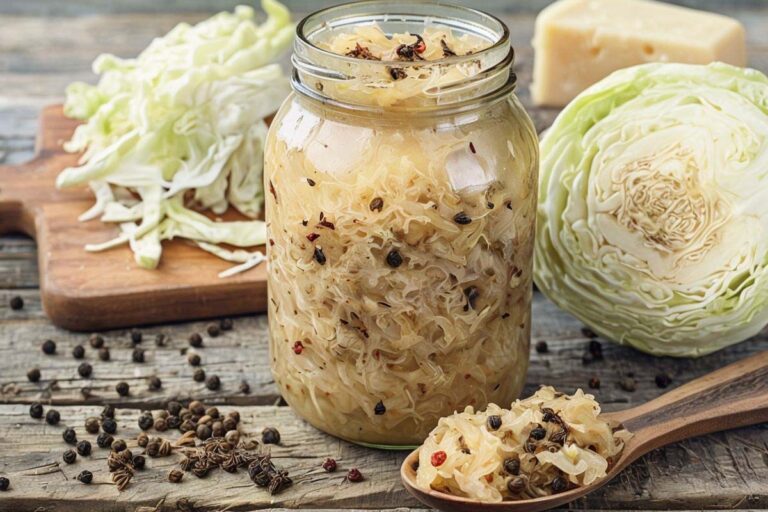
Sauerkraut, the tangy fermented cabbage dish, has been a dietary staple for over 2,000 years. While it carries a German name, this probiotic-rich food actually originated in China. Today, sauerkraut is enjoyed worldwide, not just for its distinctive flavor but for its impressive array of health benefits.
Traditional sauerkraut contains just two simple ingredients: cabbage and salt. The fermentation process relies on naturally occurring bacteria, though commercial producers sometimes introduce specific starter cultures to ensure consistency.
This fermented vegetable is packed with essential nutrients including fiber, vitamins A, B, C, and K, plus various minerals. But what makes “live” sauerkraut truly special is its probiotic content (beneficial bacteria that can positively impact your health in multiple ways).
10 Ways Sauerkraut Fits Into a Gut Friendly Diet
1. Supports Digestive Health and Gut Microbiome
Fermented foods like sauerkraut may help increase the diversity of beneficial gut bacteria. Research from Stanford University found that regular consumption of fermented foods can enhance the variety of helpful microbes in your digestive system.
One clinical study involving 34 participants with irritable bowel syndrome revealed promising results. Those who consumed 75 grams of sauerkraut daily for six weeks experienced significant improvements in common digestive complaints, including abdominal discomfort, bloating, and irregular bowel movements.
Interestingly, both groups in the study (those eating live sauerkraut and those consuming non-probiotic versions) showed similar symptom relief, suggesting the high fiber content plays a crucial role alongside the probiotics.
The combination of fiber and beneficial bacteria creates an optimal environment for digestive wellness, making sauerkraut a valuable addition to a gut health-focused diet.
2. Promotes Cardiovascular Wellness
While specific research on sauerkraut and heart health remains limited, the nutrients found in this fermented food have strong associations with cardiovascular protection.
Diets rich in both fiber and probiotics have been linked to reduced heart disease risk and healthier cholesterol levels. A comprehensive review of multiple studies found that consuming diverse probiotic strains for at least eight weeks can significantly lower blood pressure readings.
Commercial sauerkraut varieties can contain up to 28 different strains of lactic acid bacteria, providing substantial probiotic diversity.
One standout nutrient in sauerkraut is vitamin K2, with approximately 6 micrograms per cup. This vitamin has been connected to reduced risk of certain heart conditions and improved arterial health. A long-term study tracking 16,000 women over eight years discovered that each 10-microgram daily increase in vitamin K2 intake corresponded to a 9% reduction in heart disease risk.
For more ways to support your heart naturally, explore our guide on foods that cleanse your arteries naturally.
3. Strengthens Bone Density
The vitamin K2 content in sauerkraut may contribute to stronger, healthier bones by facilitating calcium binding to bone tissue.
Research analyzing multiple studies found that individuals with osteoporosis who regularly took vitamin K2 supplements were 60-81% less likely to experience bone fractures. In another study, postmenopausal women combining vitamin K2 with long-term vitamin D and calcium supplementation showed a 25% lower lifetime risk of bone fractures.
However, it’s important to note that these studies used vitamin K2 doses around 150 times higher than what you’d find in a half-cup serving of sauerkraut. The bone health benefits from dietary sauerkraut alone require further investigation.
Maintaining strong bones requires multiple nutritional factors (learn more about bone health essentials).
4. May Reduce Cancer Risk
Emerging evidence suggests that diets high in cabbage and sauerkraut might lower the risk of certain cancers.
Research involving women who immigrated from Poland to the United States examined the relationship between cabbage consumption and breast cancer rates. Women who consumed more than three servings of raw cabbage or sauerkraut weekly during adolescence and adulthood had a 72% lower chance of developing breast cancer compared to those eating 1.5 servings or less.
Scientists believe the antioxidants and plant compounds in cabbage and sauerkraut may help prevent cellular damage that can lead to cancer development. The fermentation process may enhance these protective compounds.
While these findings are encouraging, the current research base is limited. Much more investigation is needed before drawing definitive conclusions about sauerkraut’s cancer-preventive properties.
5. Helps Manage Anxiety and Mood
The gut-brain connection is increasingly recognized in mental health research. One study involving over 700 participants found that individuals prone to anxiety experienced improved symptoms when they regularly consumed fermented foods.
The probiotics in fermented foods can influence neurotransmitter production and communication between the gut and brain. This may explain why dietary changes can impact mood and anxiety levels.
However, it’s crucial to note that sauerkraut contains high levels of tyramine, a compound that can interact dangerously with monoamine oxidase inhibitors (MAOIs) (medications commonly prescribed for anxiety and depression). If you’re taking MAOIs, consult your healthcare provider before adding sauerkraut to your diet.
For additional strategies to manage stress, check out our easy ways to reduce stress.
6. Reduces Chronic Inflammation
Acute inflammation serves as your body’s protective response to injury or infection. However, chronic inflammation (when this response persists over extended periods) can harm overall health and contribute to various diseases.
Laboratory studies suggest that sauerkraut possesses anti-inflammatory properties. The fermentation process produces compounds that may help modulate inflammatory responses in the body.
While these preliminary findings from cell studies are promising, more human research is necessary to understand exactly how sauerkraut consumption affects inflammation levels in people.
7. Boosts Immune Function
The probiotic strains and nutrients in sauerkraut may strengthen immune system performance, though research in this area is still developing.
Probiotics generally have been shown to improve symptoms of various illnesses (from serious infections to common colds) and may support faster recovery times. Sauerkraut provides nutrients essential for proper immune system function.
Notably, sauerkraut is exceptionally rich in vitamin C, with one cup providing 23-28% of the recommended daily allowance. Vitamin C is a critical nutrient for immune health, supporting various cellular functions that protect against pathogens.
Learn more about strengthening your body’s defenses with immune-boosting foods.
8. Aids Weight Management
The combination of low calories, high fiber content, and probiotic bacteria in sauerkraut makes it a smart choice for those managing their weight.
Fiber promotes feelings of fullness, potentially reducing overall calorie intake throughout the day. Probiotics have been associated with improvements in metabolic health and may influence how your body processes and stores nutrients.
Additionally, fermented foods like sauerkraut can add flavor and satisfaction to meals without adding significant calories, making healthy eating more enjoyable and sustainable.
For comprehensive weight loss strategies, visit our guide on how to lose 10 pounds.
9. Provides Powerful Antioxidants
The fermentation process enhances the antioxidant content of cabbage, making sauerkraut an even more potent source of these protective compounds.
Antioxidants combat oxidative stress and free radical damage in your cells, which can contribute to aging and various diseases. The vitamin C, vitamin K, and various phytonutrients in sauerkraut work synergistically to protect cellular health.
Some of these antioxidants are produced specifically during fermentation, meaning you won’t find them in raw cabbage alone.
10. Supports Healthy Blood Sugar Regulation
Emerging research suggests that probiotics and fermented foods may play a role in blood sugar management and insulin sensitivity.
The fiber in sauerkraut slows digestion and helps prevent rapid blood sugar spikes after meals. Some studies indicate that probiotic bacteria may influence glucose metabolism and insulin response, though more research specific to sauerkraut is needed.
For individuals monitoring blood sugar levels, incorporating fermented vegetables like sauerkraut as part of a balanced diet may offer additional metabolic benefits.
Discover more about healthy eating habits that support stable blood sugar.

Potential Risks and Considerations
While sauerkraut offers numerous health benefits, certain individuals should exercise caution:
Histamine Intolerance: Sauerkraut is high in histamine, which can be responsible for digestive issues and allergy-like symptoms in some people. It’s possible that eating sauerkraut could cause or worsen these reactions.
Medication Interactions: The tyramine content in sauerkraut can interact dangerously with MAOIs. Always consult your healthcare provider if you’re taking these medications before adding sauerkraut to your diet.
Sodium Content: One cup of sauerkraut contains less than 1,000 milligrams of sodium, but this could be significant for individuals managing high blood pressure or following sodium-restricted diets. Monitor your total daily sodium intake and discuss with your doctor if concerned.
Pregnancy and Immunocompromised States: If you’re pregnant or have a compromised immune system, avoid unpasteurized sauerkraut due to potential bacterial contamination risks.
Food Intolerances: Individuals with cabbage sensitivities or fermented food intolerances should introduce sauerkraut gradually or avoid it altogether. If you experience digestive discomfort, consider consulting your healthcare provider.
Selecting Quality Sauerkraut
Not all sauerkraut products offer equal health benefits. To maximize nutritional value and probiotic content, follow these guidelines:
Choose “Live” Sauerkraut: Look for labels clearly stating the product contains live probiotic bacteria. This ensures you’re getting the beneficial microorganisms.
Shop the Refrigerated Section: Probiotic-rich sauerkraut requires refrigeration to maintain bacterial viability. You’ll typically find live products in the chilled section alongside other fermented foods.
Avoid Pasteurized Versions: Pasteurization extends shelf life but destroys beneficial bacteria. Skip shelf-stable varieties if you want probiotic benefits.
Read Ingredient Lists: Quality sauerkraut should contain minimal ingredients (ideally just cabbage and salt). Avoid products with preservatives, vinegar (added after fermentation), or sugar, as these can kill beneficial bacteria or add unnecessary ingredients.
Consider Health Food Stores: Specialty stores focusing on natural and fresh foods often carry higher-quality live sauerkraut options with better bacterial diversity.
Creative Ways to Enjoy Sauerkraut
Sauerkraut’s tangy flavor and crunchy texture make it incredibly versatile. Here are delicious ways to incorporate it into your meals:
- Top scrambled eggs or omelets for a probiotic-rich gourmet breakfast
- Add to fresh salads for tangy flavor and beneficial bacteria
- Mix into healthy coleslaw for enhanced probiotic content and extra crunch
- Layer on burgers and sandwiches for added tang and crunch
- Serve alongside baked ham or pork loin to balance rich flavors
- Top pork tacos or shrimp tacos for a fermented twist
- Add to nachos for tangy contrast
- Pair with hearty soups like seafood gumbo or tortilla soup
- Serve with Cajun shrimp for complementary flavors
- Use as a topping for baked potatoes or grain bowls
For heat-sensitive serving methods, add sauerkraut at the end of cooking or serve it cold to preserve the beneficial bacteria.
The Bottom Line
Sauerkraut stands out as a nutritionally dense, probiotic-rich food that has sustained populations for millennia. While more human research is needed to confirm specific health claims, the existing evidence suggests that regular sauerkraut consumption may support digestive health, cardiovascular wellness, immune function, and potentially reduce chronic inflammation.
The combination of essential vitamins, minerals, fiber, and beneficial bacteria makes sauerkraut a valuable addition to most healthy diets. Its versatility in the kitchen means you can easily incorporate it into various meals throughout the week.
If you’re new to sauerkraut, start with small portions to allow your digestive system to adjust. Choose live, unpasteurized varieties whenever possible to maximize probiotic benefits. As with any dietary change, individuals with specific health conditions or taking certain medications should consult their healthcare provider before adding sauerkraut to their regular diet.
By embracing this ancient fermented food, you’re joining a global tradition of using simple, whole-food ingredients to support health and vitality. Whether you’re focused on gut health, seeking natural ways to boost immunity, or simply looking to add more nutrient-dense foods to your plate, sauerkraut deserves a place in your culinary repertoire.
For more insights on incorporating fermented foods into your wellness routine, explore our article on probiotic health benefits.
Better Living uses affiliate links. If you make a purchase through them, we may receive a small commission (for which we are deeply grateful) at no cost to you.