Heather is a founding editor and contributing writer for Better Living. She loves creating recipes, sharing healthy living hacks, travelling, and researching the latest in wellness trends. On the weekends you’ll find her reading, doing yoga, and planning her next adventure.
The Short Answer: To remove tree sap from clothing: scrape off as much bulk sap as possible with a dull knife or frozen-stiff cloth, then apply rubbing alcohol (isopropyl 70% or higher) directly to
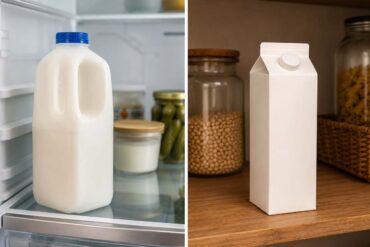
The short answer: Regular pasteurized milk (the kind sold cold in US grocery stores) must always be refrigerated and should never be left out for more than 2 hours. UHT or shelf-stable milk, the kind sold in
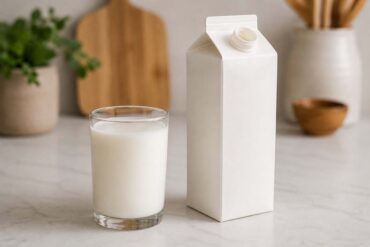
The short answer: Yes, milk goes bad, and it follows a more predictable pattern than most people realize. Opened regular pasteurized milk lasts 5 to 7 days in the refrigerator from the day you
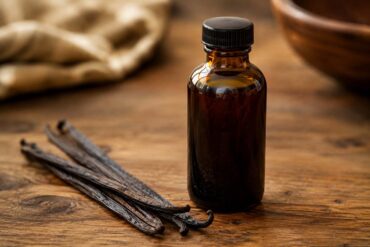
The short answer: It depends entirely on whether you have pure or imitation vanilla extract, because they behave very differently. Pure vanilla extract, made from real vanilla beans and at least
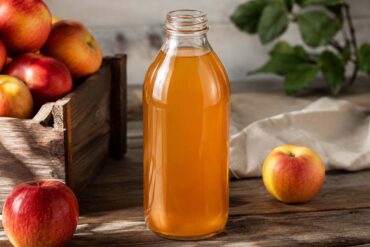
The short answer: Apple cider vinegar almost never goes bad. Its acetic acid content makes it naturally self-preserving, and harmful bacteria cannot survive in its highly acidic environment. Unopened bottles last
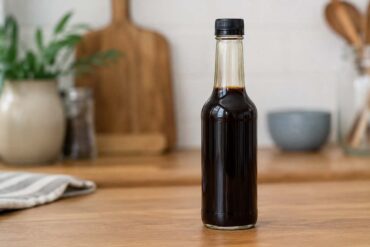
The short answer: Worcestershire sauce almost never goes bad in any meaningful sense. Its vinegar, salt, molasses, and fermented ingredients make it one of the most stable condiments in your kitchen. Unopened bottles stay at
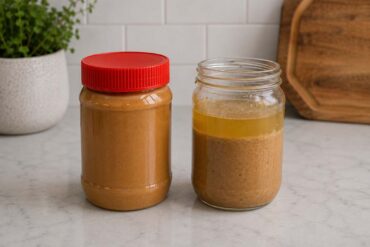
Does peanut butter need to be refrigerated? It depends on whether the peanut butter contains a stabilizer. Commercial peanut butter (Jif, Skippy, Peter Pan, and most major brands) is formulated with
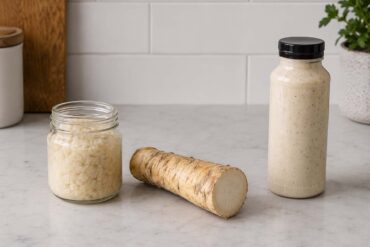
Does horseradish need to be refrigerated? It depends entirely on which type you have. Fresh horseradish root must always be refrigerated and lasts 1 to 2 months in the fridge. Prepared horseradish, the vinegar based kind sold in jars, can often sit in the
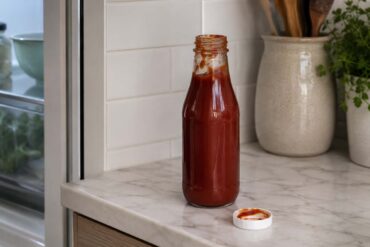
The short answer: Commercial ketchup does not require refrigeration for food safety after opening. The USDA confirms that ketchup is shelf-stable and classifies refrigeration as a quality recommendation, not a
The Short Answer: To get gum out of clothes: place the garment in a sealed plastic bag with the gum exposed and freeze for one to two hours until the gum is completely solid. Scrape the hardened gum off with a
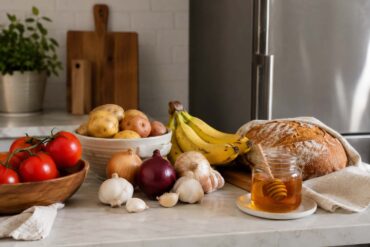
The short answer: Tomatoes, potatoes, onions, garlic, honey, coffee, olive oil, bread, unripe avocados, bananas, whole melons, fresh basil, chocolate, and apples (for peak flavor) should never be refrigerated. These foods are
The short answer: Remove the green tops immediately, do not wash before storing, and keep whole carrots in the crisper drawer in a loosely sealed bag or wrapped in a damp paper towel. Stored this way, whole carrots last