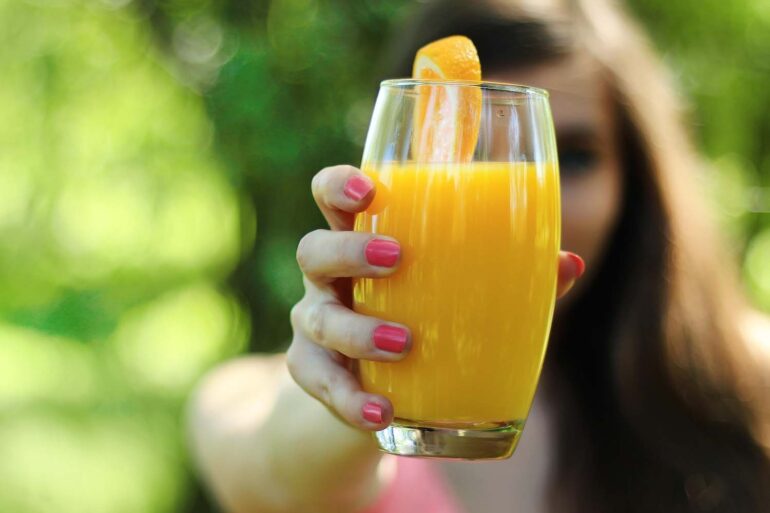
The short answer: Yes. Unlike soda, orange juice is perishable once it's open, and a refrigerated carton has a date for a reason. Florida's Natural does not recommend using its juice past the Use By date and suggests
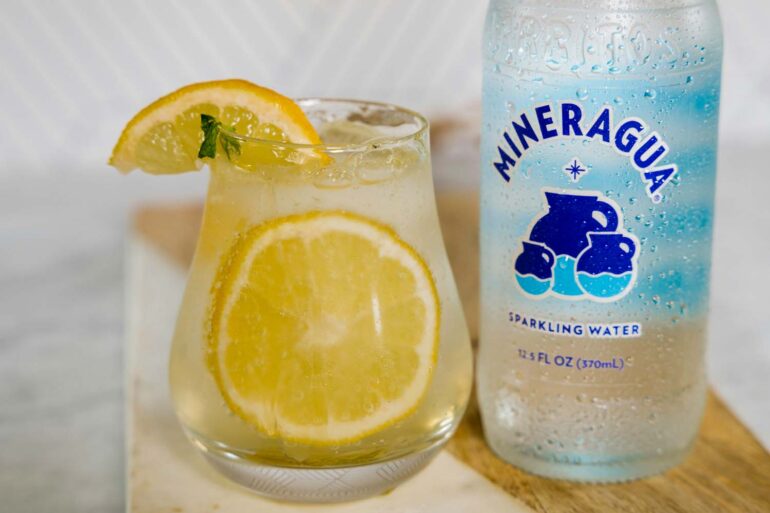
The short answer: Plain sparkling water generally doesn't spoil the way food does. A sealed, undamaged can or bottle past its date is usually a quality question, not a safety one. USDA's general guidance is that
The short answer: Not the way milk or leftovers do. A sealed bottle or can in good condition is generally a quality question once the printed date has passed, not a safety one, since USDA's general guidance is that
The short answer: Not in the way fresh food does. An intact, sealed bottle or can of tonic generally isn't made unsafe by the passing of its printed date, since USDA treats dates on shelf-stable food as
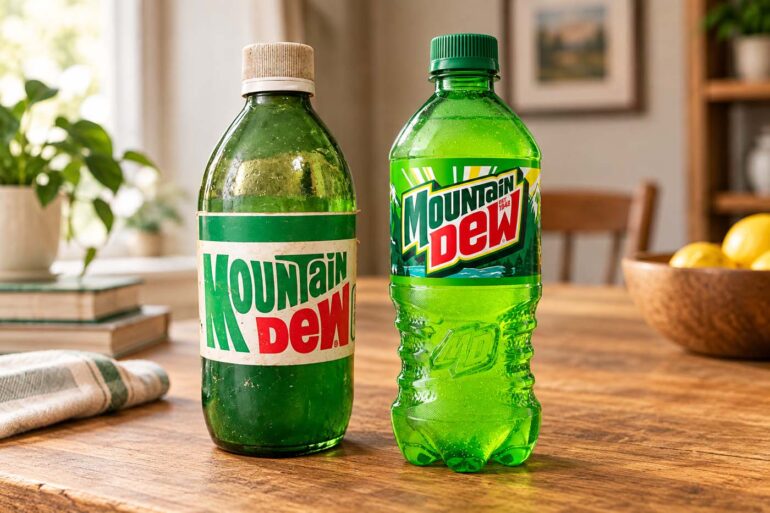
The short answer: Not like milk, deli meat, or leftovers. A sealed, undamaged can or bottle of Mountain Dew generally doesn't become unsafe just because the printed date has passed, since USDA treats that date on
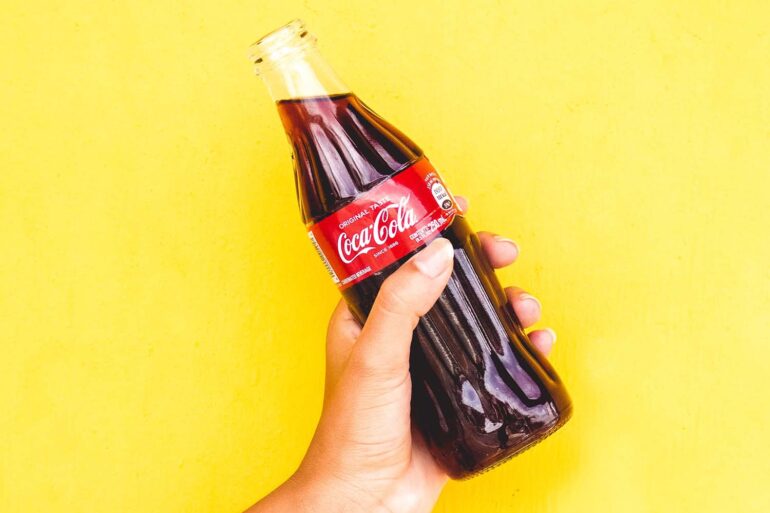
The short answer: Not like perishable food, but it does lose quality over time. An unopened, undamaged can or bottle of Coke is acidic and carbonated, so bacteria have a hard time growing in it. What you'll notice with age is
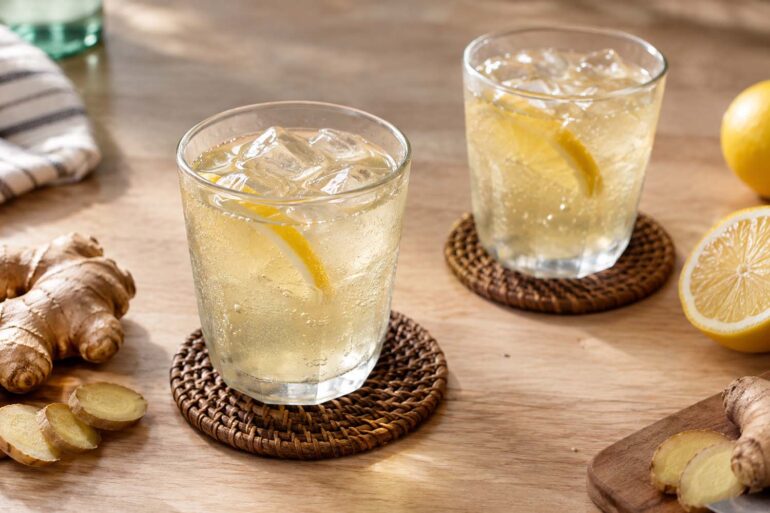
The short answer: No, not in a food-safety sense. A sealed can or bottle of ginger ale is carbonated and acidic, which gives bacteria very little to work with. Age shows up as flatness and faded flavor instead, and that effect gets
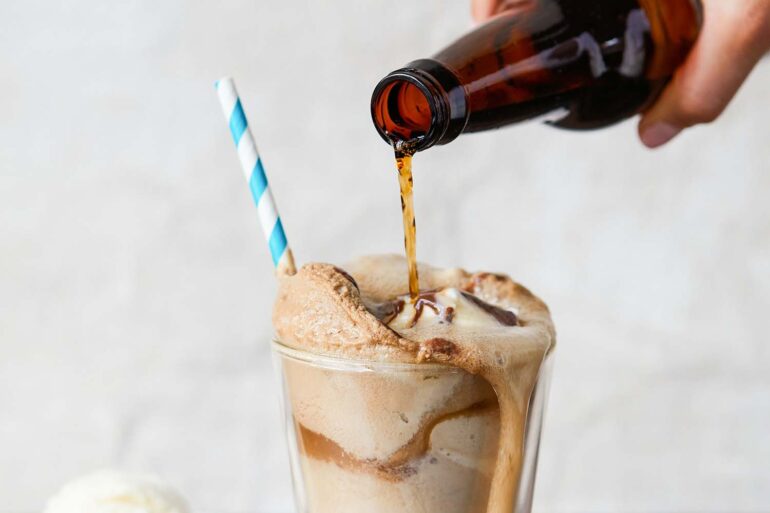
The short answer: Not in the way perishable food does. Root beer is a sealed, carbonated, acidic beverage, and that combination makes it inhospitable to the bacteria that cause foodborne illness. What actually happens over time is
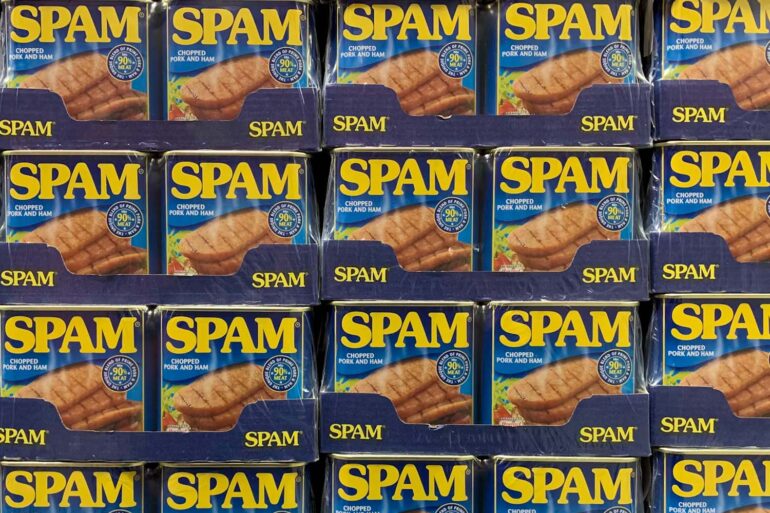
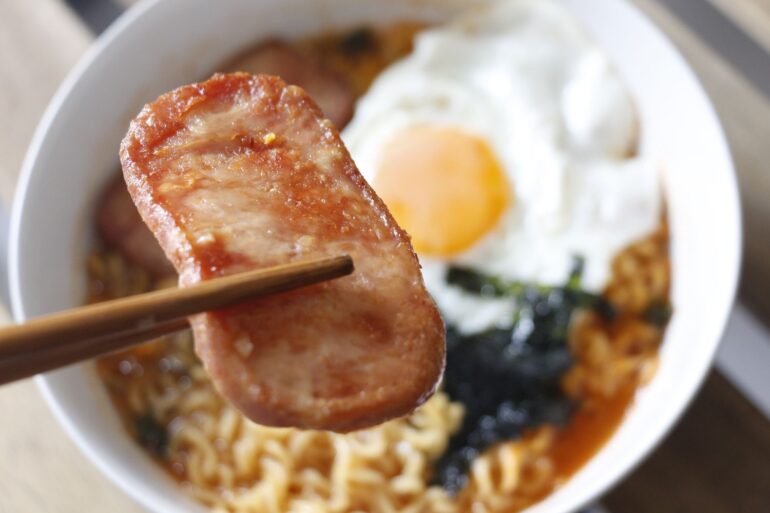
The short answer: Yes, eventually, but an unopened can of SPAM is a shelf-stable canned meat designed for long-term pantry storage. Hormel prints a best-by date on the bottom of every can rather than an expiration date; go by that
The short answer: Before opening, no. An unopened can is shelf-stable and belongs in the pantry, not the fridge, which is exactly why it's sold on a regular grocery shelf. After opening, yes. Once the seal is
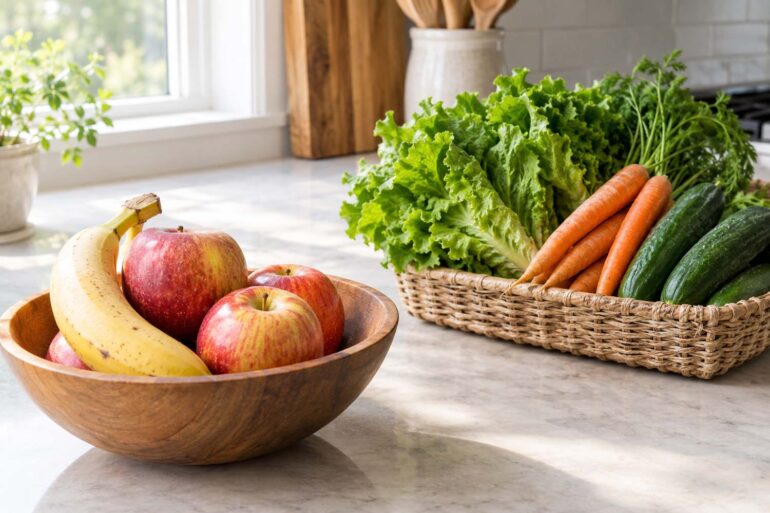
The short answer: keep ethylene-producing fruit, such as apples, pears and ripe bananas, away from ethylene-sensitive produce like leafy greens, carrots, cucumbers and squash. Keep potatoes away from
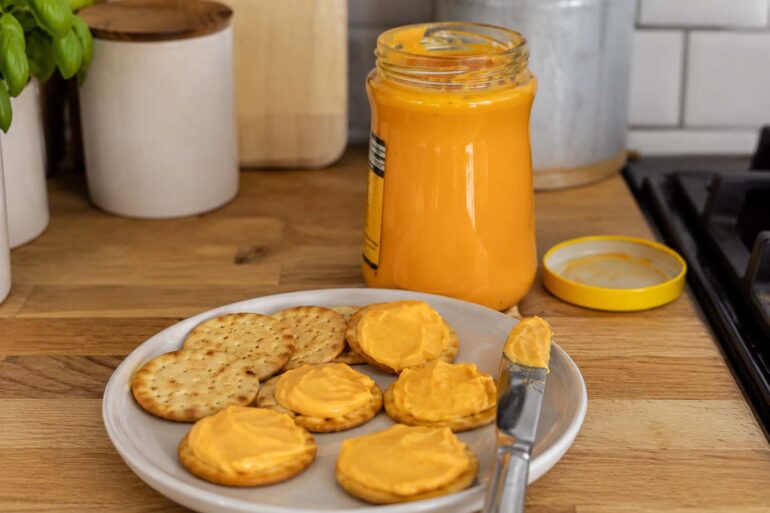
The short answer: Yes, eventually, but an unopened jar is genuinely shelf-stable, and it's consistently sold on a regular grocery shelf rather than in a refrigerated case. Food-service listings give the unopened 6.5 lb pouch a