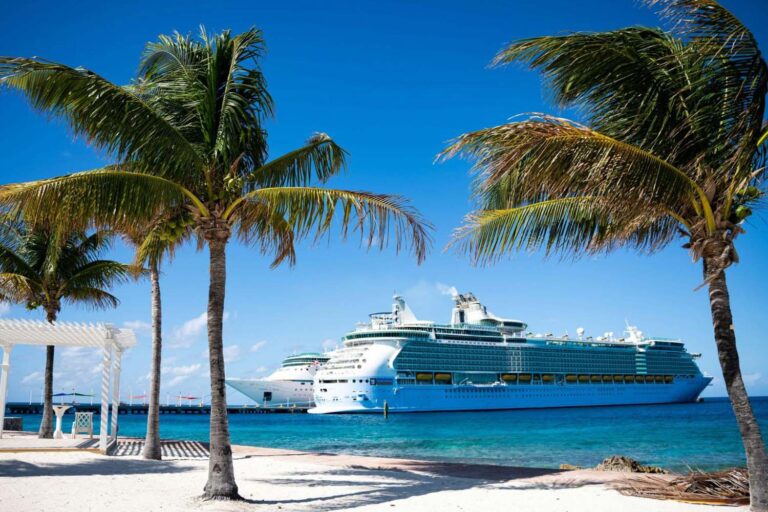
I remember a wonderful cruise around the Caribbean, my first time visiting this lively, sun-soaked part of the world. We met all kinds of people on board and made friends from all over the globe. Unfortunately, a fellow traveler came down with a fairly serious stomach flu and had to be treated on board. Once he was up and about again, and mostly back to normal, he was surprised to be handed a bill for his treatment. He’d assumed his travel insurance would cover the costs, but they refused point blank. For one reason: his insurance policy wouldn’t cover the cost of treatment because he hadn’t added cruise cover.
Many travelers overlook this before they set sail. Specialized cruise cover exists for various reasons, and it’s easy to miss while you’re researching trip insurance. But it’s vital for seafaring folk, and I’m glad I read the fine print before taking out insurance for my cruise and subsequent voyages.
In this article, we’ll look at how to make sure you’re fully prepared for your next cruise.
Does Travel Insurance Cover Cruises?
Many insurance companies don’t automatically cover cruise holidays, and cruise insurance is often an add-on people miss. Onboard problems you may face include medical bills, emergency evacuations, shore excursions, or simply canceling an expensive pre-booked fare. When purchasing, check whether your policy includes cruises, or you need to select them as an add-on.
Why Cruise Cover Is Usually an Add-On
Cruises aren’t especially risky, but medical care at sea is costly, and an evacuation can run to six figures. When buying travel insurance, you’ll usually have add-ons to choose from, depending on the activities you may be undertaking. I’ve been on many adventurous holidays, including white water rafting, dune buggy racing, and extreme sports, and all of these have required extra coverage. It makes sense: the more chance of a costly claim, the more an insurance company charges. Cruise travel insurance should be prominently displayed on the company’s website. Coverage varies depending on the type of cruise and the location you’ll be on the water; for example, river cruises may differ from sea cruises, and locations will also affect the cruise policy.
Medical care at sea is costly, and an evacuation can run to six figures.
Medical Bills at Sea Can Be Expensive
If you’re unlucky enough to be befallen by an illness or injury on board, be aware you may need to pay your medical bills on the spot (so budget for this before you cruise). More serious cases may require evacuation from the ship entirely, which may also involve expenses you have to settle on the spot. If you hail from a country with a universal healthcare model, be aware that even on a cruise in domestic waters, you may not be covered. For example, if you are cruising around Australia, Medicare or private health insurance may not apply on board. Read the fine print on whichever policy you’re considering and consider different quotes from there. If you are from a country like the U.S., you will want to take out a policy (with cruise insurance added on) in your home country, rather than with a local provider in the country where the cruise takes place.
Shore Excursions Need Cover Too
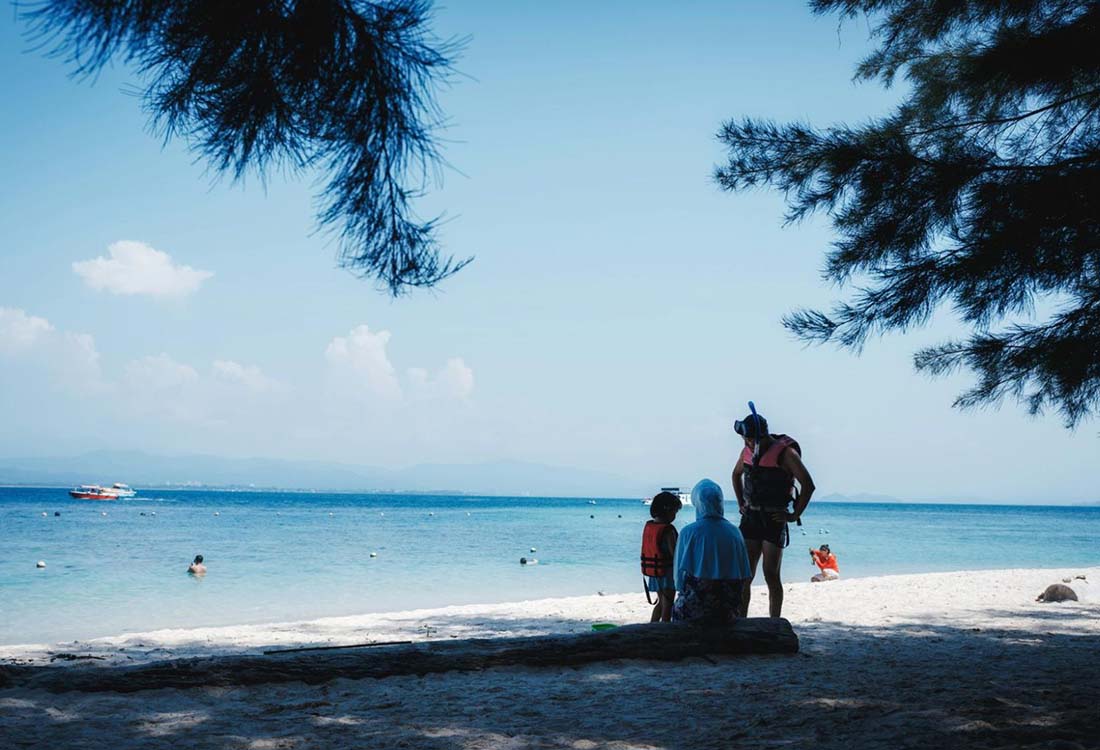
Excursions may also include activities ranging from snorkeling to lively options like quad biking, wildlife encounters, or jet skiing. For these reasons, make sure your cruise insurance policy includes shore excursion cover, not just time spent onboard the ship. Check carefully so you can enjoy dry-land activities and adventures with peace of mind.
What Happens If You Have to Cancel Your Cruise?
Like many others, I paid for my cruise in full before setting foot aboard. Cruise companies commonly require full payment ahead of time, typically around 75 to 120 days before sailing, depending on the line and voyage length, to lock in logistics, purchase food and fuel, and staff the ship. Paying in advance helps ensure cabins don’t go empty if a passenger drops out close to departure. If the unforeseeable happens and you have to cancel your cruise, make sure your insurance covers it. Cruises are expensive holidays and you don’t want to lose your money due to illness or changes in circumstances. Sometimes, buying later as an add-on can affect your policy, so buy your cover when you book, not the week before you sail.

My Cruise Insurance Checklist
- Cruise cover added: Check your policy carefully to make sure cruise cover is included.
- Medical and evacuation limits: Sometimes policies have limits on what they’re willing to cover in terms of medical expenses. An evacuation, for example, might not be covered. Review your policy carefully before buying insurance.
- Shore excursions: Take a good look at the cruise itinerary (you’ve probably already done this) and see what activities are available, and whether your policy covers them. Snorkeling, hiking, quad biking, and jet skiing are common options.
- Cancellation amount: If you have to cancel your cruise, you may still have to pay, so make sure your cancellation limit covers the full cost.
- Pre-existing conditions declared: Declare any existing medical conditions when you buy, and go through your policy with a fine-toothed comb to see which conditions are covered.
- Save policy documents on your phone: Smartphones are handy for easy access at all times.
Before You Book

Many online resources can help you choose the best policy for your seafaring adventure. Before taking out any insurance policy, review policy documents, such as the Product Disclosure Statement (PDS). It contains useful information to help you choose the right travel insurance with cruise cover. Websites like Smartraveller or Travel.State.Gov have great info about cruises and insurance policies.
Buy your cover when you book, not the week before you sail.
Adding cruise cover to your comprehensive insurance policy helps to ensure that, if anything unexpected happens, you’ll be in safe hands and not out of pocket.

Better Living may earn commissions through affiliate links and may occasionally feature sponsored or partner content. If you make a purchase through our links, we may receive a small commission at no cost to you.