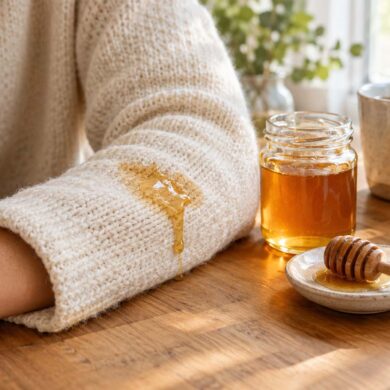
Honey stains feel scary because they are sticky, shiny, and often amber. But the chemistry is on your side. Honey is a sugar stain, not a dye or a grease stain, and sugar dissolves in water. The real skill is knowing when
The Short Answer: Flush the stain from the back with cold water immediately, since speed matters more here than with almost any other stain on this site. Follow with dish soap or a vinegar or
The Short Answer: Rinse the stain with cold water from the inside of the fabric first, then work in a mix of dish soap and warm water to break down the oils and bronzer dye that actually cause the
The Short Answer: Nail polish is a hardened plastic film, not a stain that soap can dissolve, so you need a solvent that matches both the polish type and the fabric. Acetone works fastest but only
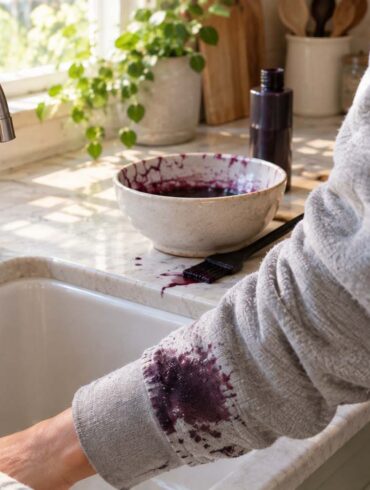
Last week I spilled an entire glass of pinot noir on my white shirt during movie night. Not a splash. Not a dribble. The entire glass, right down the front, like some kind of dramatic movie scene except I
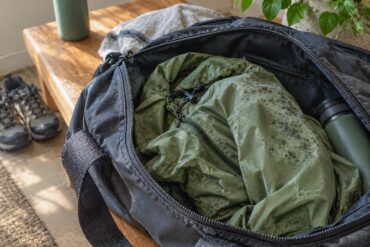
The Short Answer: Get the item dry and out of any sealed bag or hamper immediately, since mildew keeps growing in the dark and damp. Spray or soak with white vinegar, which kills the majority of mold species and is
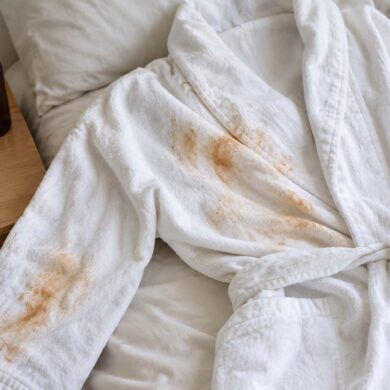
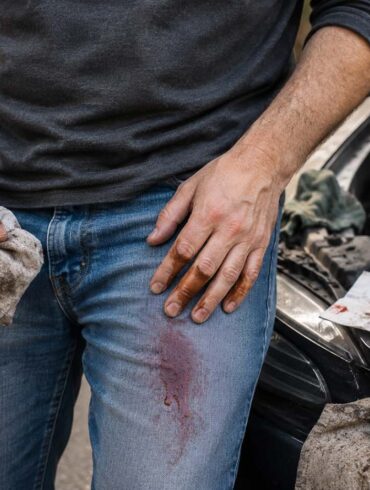
The Short Answer: Transmission fluid is petroleum oil with a red or amber dye added, so it behaves like a grease stain and a dye stain at the same time. Treat the oil first with
The Short Answer: Lipstick stains are actually three stains layered together: wax, oil, and pigment. Scrape off the excess, treat with a solvent-based product or rubbing alcohol to break the wax and pigment, then follow with
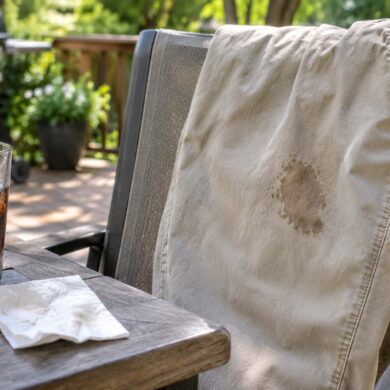
The Short Answer: Blot up as much liquid as you can, then flush the stain from the back with cold water to clear out the sugar, not just the color, and to avoid setting the caramel pigment the way heat would. Work in
The Short Answer: Rinse the stain with cold water immediately, then blot with rubbing alcohol or hairspray while it's still wet, since alcohol dissolves the dye before it fully develops. Follow with a
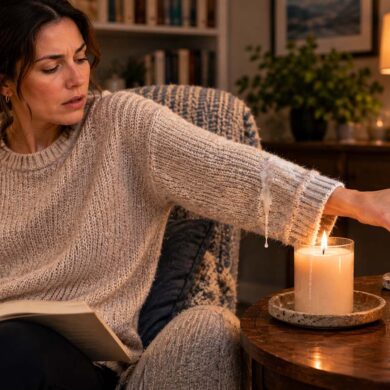
The Short Answer: Let the wax harden completely before touching it, scrape off the excess, then use a warm iron over paper towels to draw out what's left. Treat any leftover dye color with an
Every paint removal method in this guide depends on what the paint is made of. Using water on oil-based paint, or dish soap alone on dried acrylic, will not work and can make the stain harder to