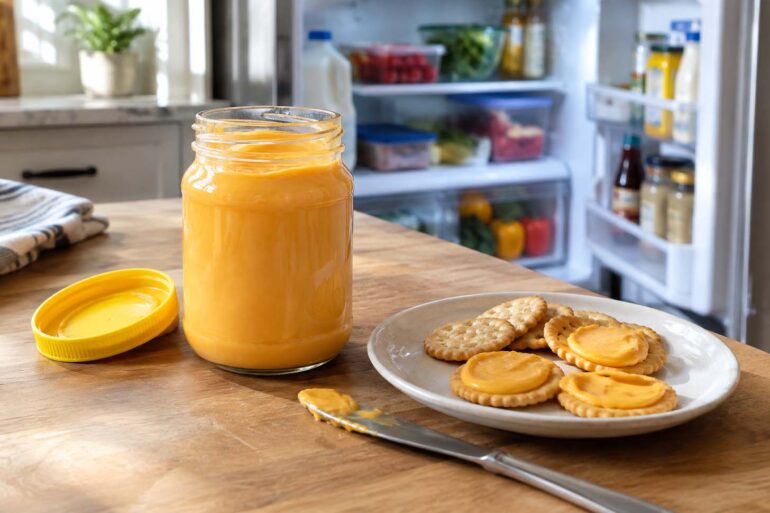
The short answer: Before opening, no. An unopened jar is shelf-stable and consistently sold at room temperature on the regular grocery shelf rather than in a refrigerated case. Food-service listings give the 6.5 lb pouch a
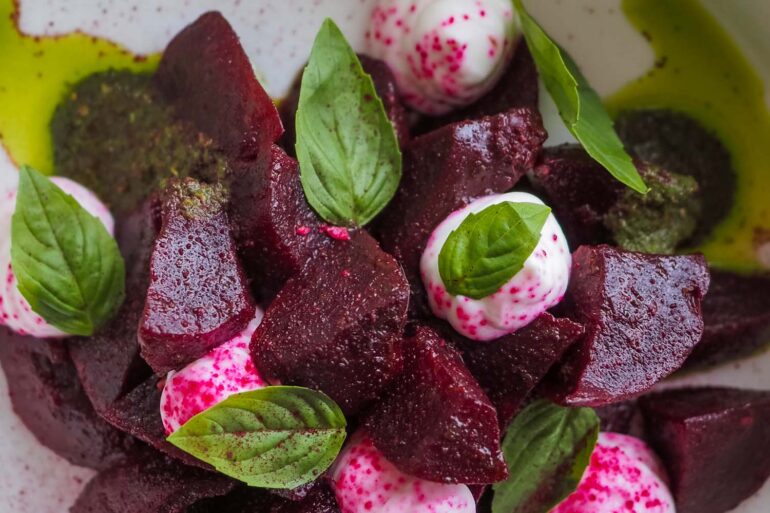
The short answer: Yes, eventually, but fresh beets last far longer than most vegetables if you store them right. The single biggest factor is the greens. Left attached, the leafy tops pull moisture out of the root, causing it to
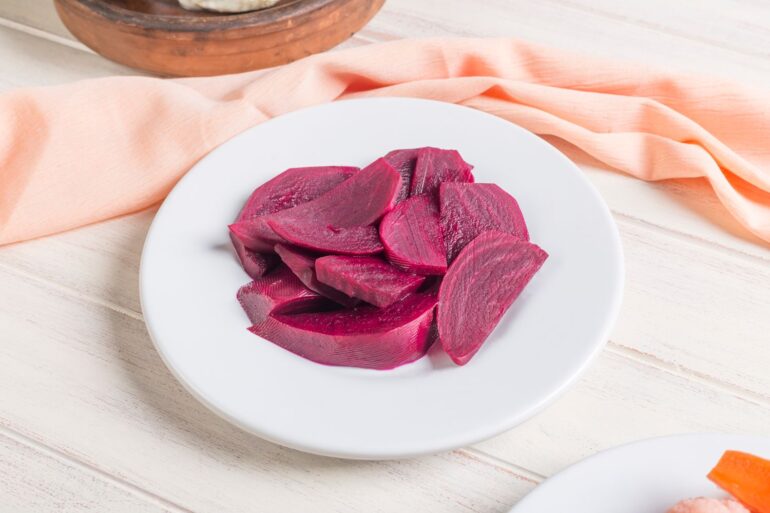
The short answer: Not for a long time if the jar is still sealed. Store-bought pickled beets are a high-acid, shelf-stable food, and an unopened jar keeps for 12 to 18 months in the pantry. Once you break the seal, treat it like
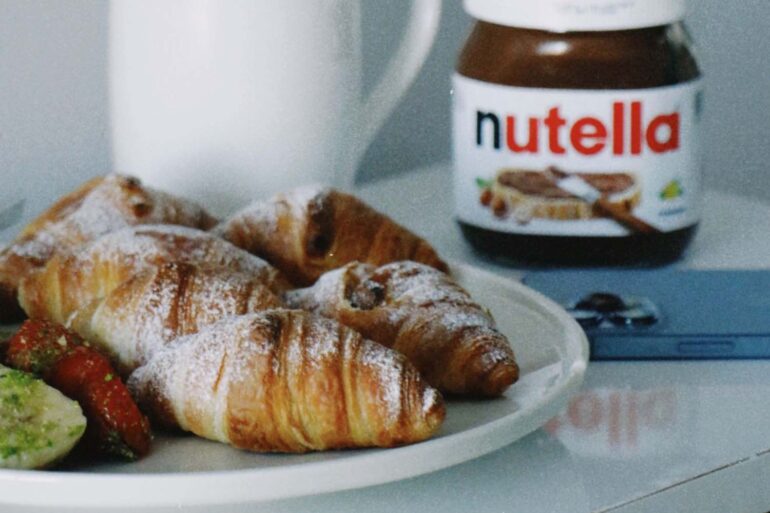
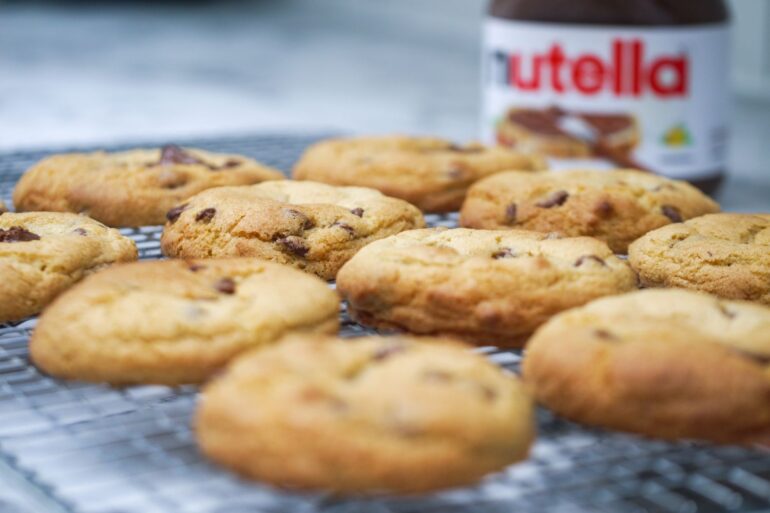
The short answer: Yes, eventually, but slowly. Ferrero gives Nutella a 12-month shelf life and says that holds even after opening, so the best-by date on the jar is your guide whether it's open or
The short answer: No. Ferrero says to store Nutella at room temperature, 64 to 75°F (18 to 24°C), in a cool, dry place with the lid closed tightly, and not to refrigerate it because it will harden and become difficult to
The short answer: It depends on the kind. Shelf-stable sauerkraut in a can or jar has been heat-processed, so it can stay in the pantry until you open it. The USDA gives it 12 to 18 months unopened, then
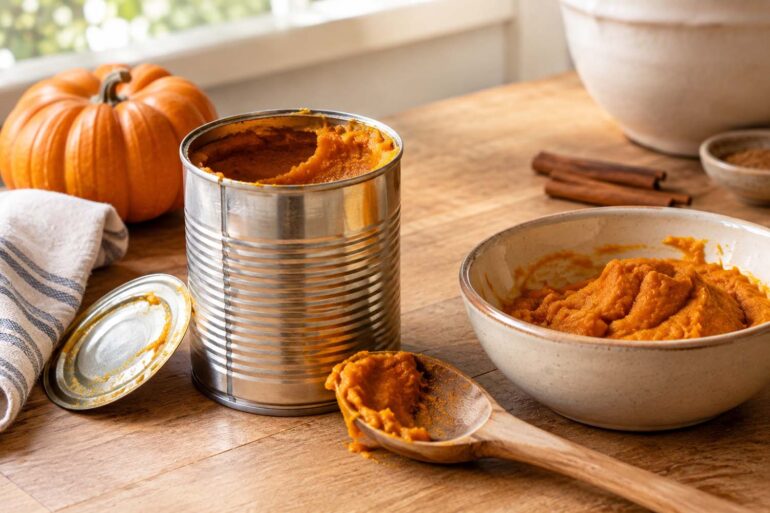
The short answer: Yes, though the timeline depends on whether the can is still sealed. The USDA lists pumpkin by name among low-acid canned foods, alongside canned corn, beans, and peas, and gives that
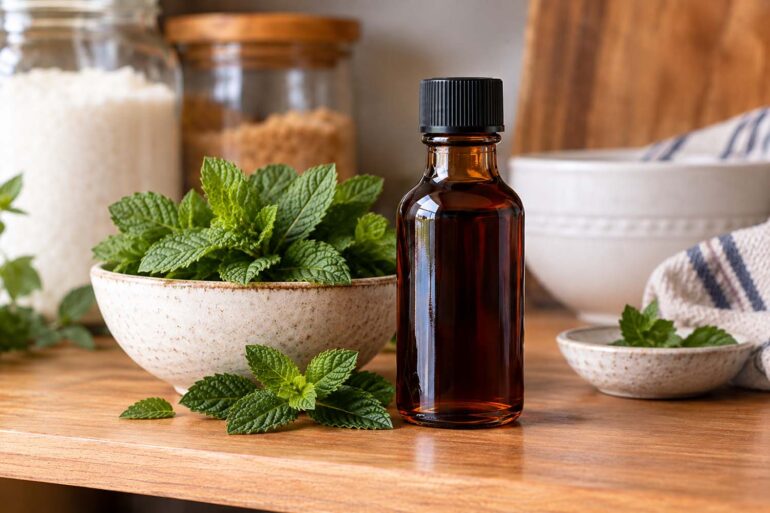
The short answer: Not in any meaningful way, as long as it's a pure, alcohol-based extract stored properly. Pure peppermint extract is peppermint oil dissolved in a very high proportion of alcohol, often 80 to 95 percent, and that
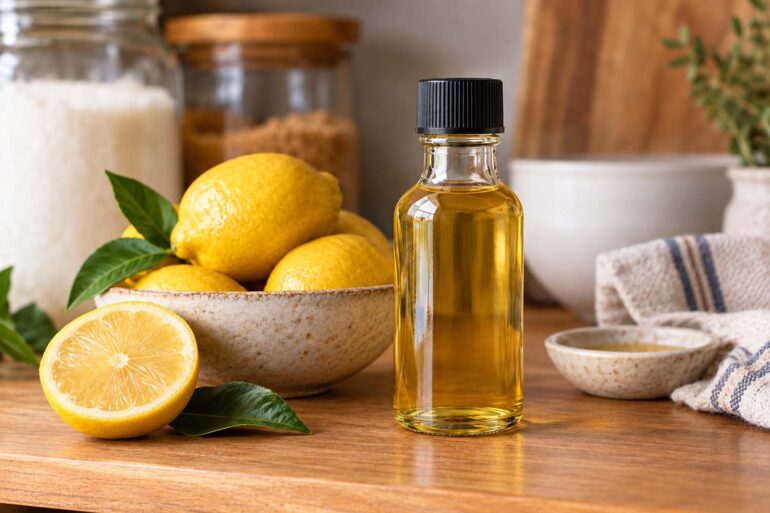
The short answer: Not in any meaningful way, as long as it's a pure, alcohol-based extract stored properly. McCormick's pure lemon extract, for example, lists 83 percent alcohol by volume, well above the alcohol
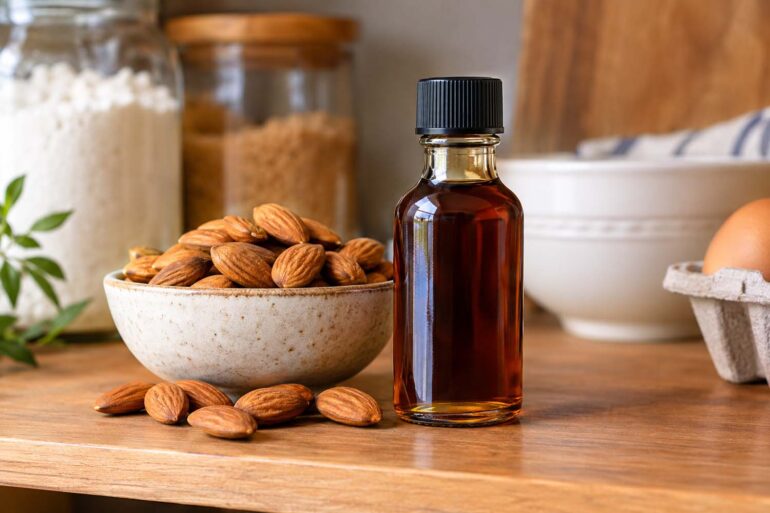
The short answer: Not in any meaningful way, as long as it's an alcohol-based extract stored properly. Pure almond extract is typically made with a substantial amount of alcohol. The exact concentration varies by
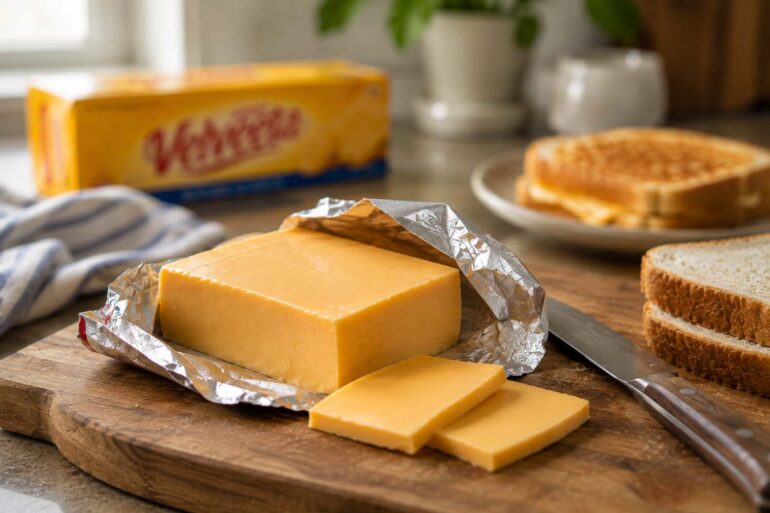
The short answer: Before opening, no. Kraft Heinz's own customer service team has confirmed that unopened Velveeta doesn't need refrigeration and should be stored in a cool, dry cabinet instead, which is exactly why it's
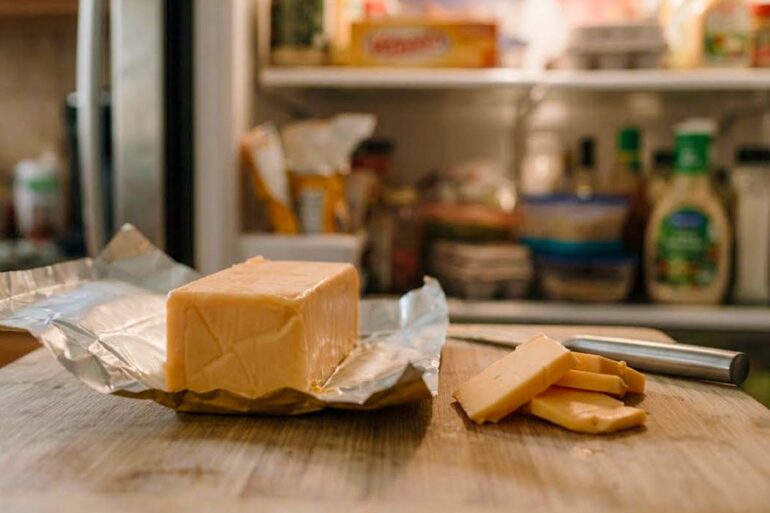
The short answer: Yes, eventually, but an unopened block is genuinely shelf-stable and doesn't need refrigeration, according to Kraft Heinz's own guidance. Once opened, the manufacturer recommends using it within