The short answer: Before opening, no. Heinz 57 is formulated to be shelf-stable, which is why it's sold on a regular grocery shelf rather than in a refrigerated case, and an unopened bottle is fine in a cool, dry pantry for
The short answer: Yes, eventually, but it's a slow process. Heinz 57 is built on a tomato puree base with two kinds of vinegar, salt, and two named preservatives, sodium benzoate and potassium sorbate, the same general
You grab the biggest, roundest pumpkin at the patch, and a week later it's soft on the bottom. Or you carve one for the porch and roast the leftovers, only to end up with a stringy, watery mess. Knowing how to pick a pumpkin comes down to
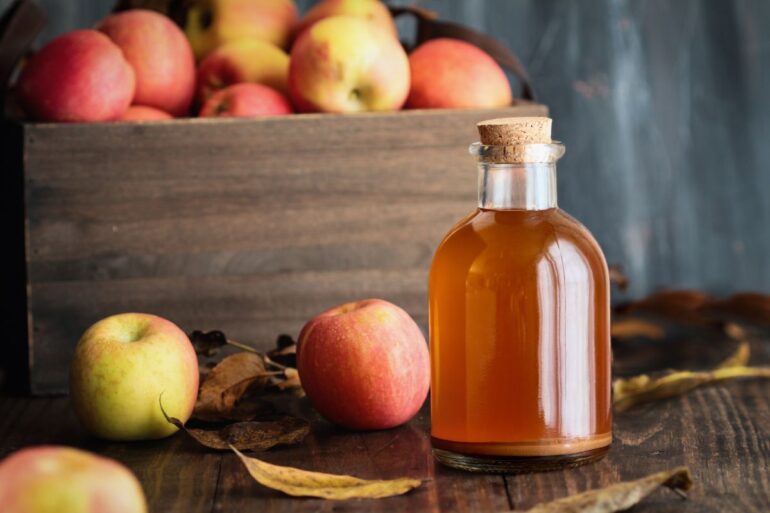
The short answer: No. Apple cider vinegar is acidic enough to be self-preserving at room temperature. USDA food composition data puts commercial ACV at about 5 percent acetic acid. FDA labeling guidance calls for
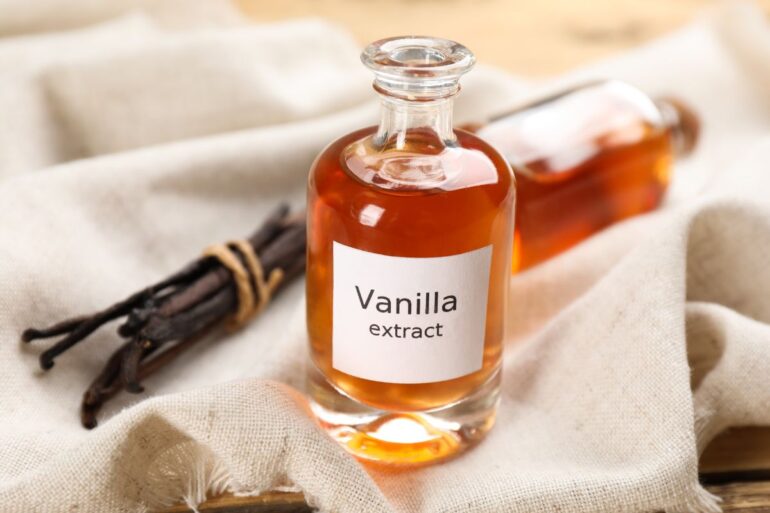
The short answer: No. Pure vanilla extract must be at least 35 percent alcohol by volume under the FDA's standard of identity. That alcohol content makes it highly shelf-stable at room temperature. Nielsen-Massey recommends a
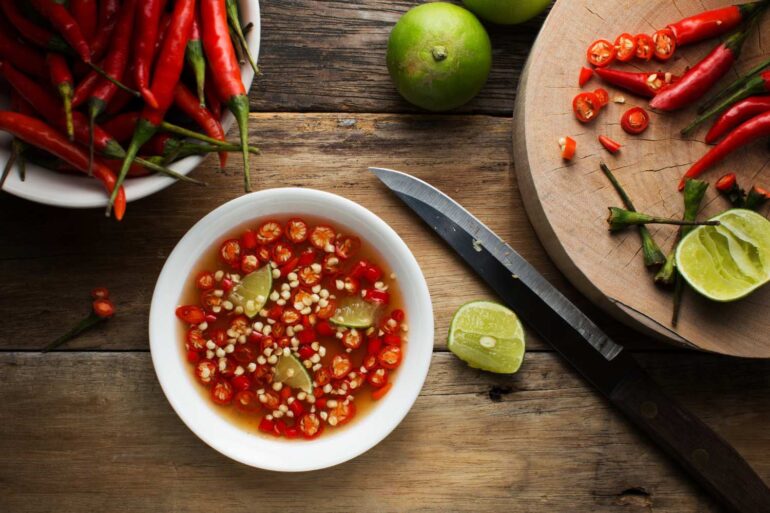
The short answer: Not for safety. Fish sauce is fermented with a heavy salt load. Commercial versions are also made to meet food-safety controls for shelf-stable salted fish, such as the
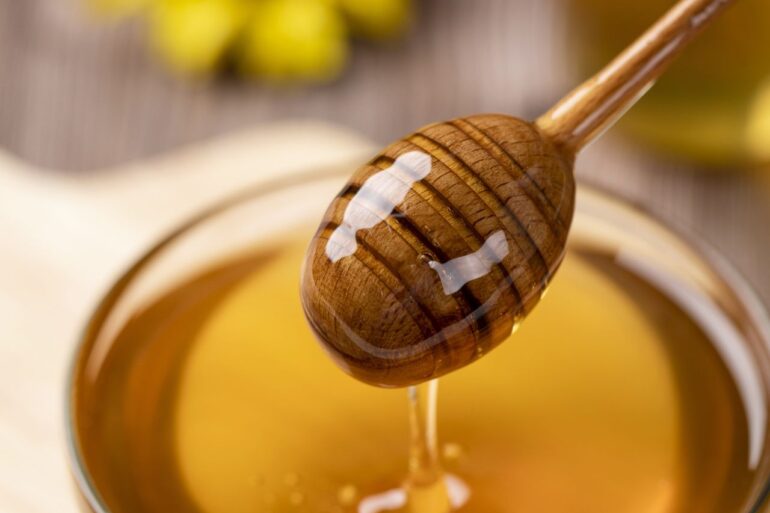
Do you know what's the buzz about honey storage? Some say to refrigerate it, while others swear by keeping it at room temperature. But which method is the right one? Learn the sweet truth about
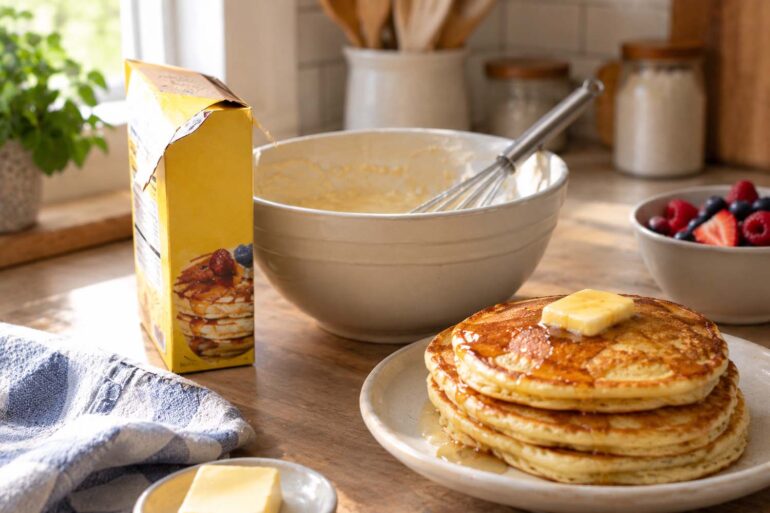
The short answer: Yes, but it fails in two distinct ways rather than one. Bisquick combines flour, vegetable oil, and a baking-powder-style leavening system, and manufacturer product data lists a shelf life of about
The short answer: Yes, eventually, though the timeline depends entirely on which kind you're holding. USDA guidance lists 12 to 18 months for unopened high-acid canned foods such as pickles, and 5 to
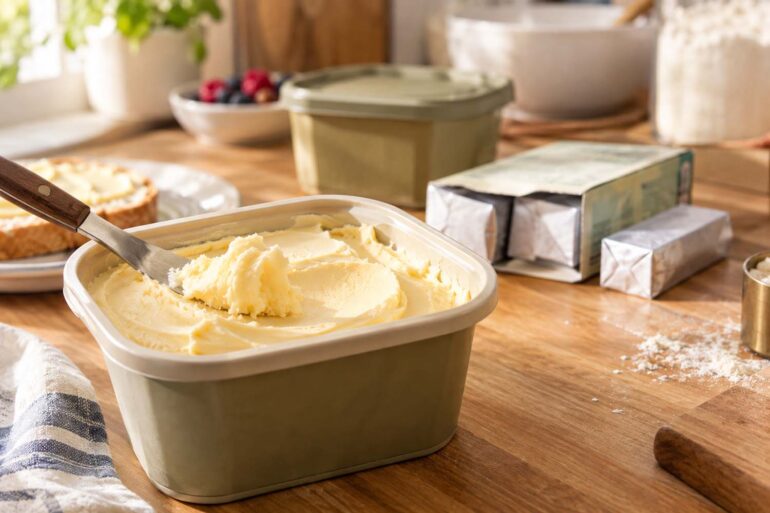
The short answer: Yes. Country Crock products can eventually develop off flavors or other signs of spoilage, which is why the brand says to refrigerate them after every use and use a clean knife each time. Country Crock publishes specific
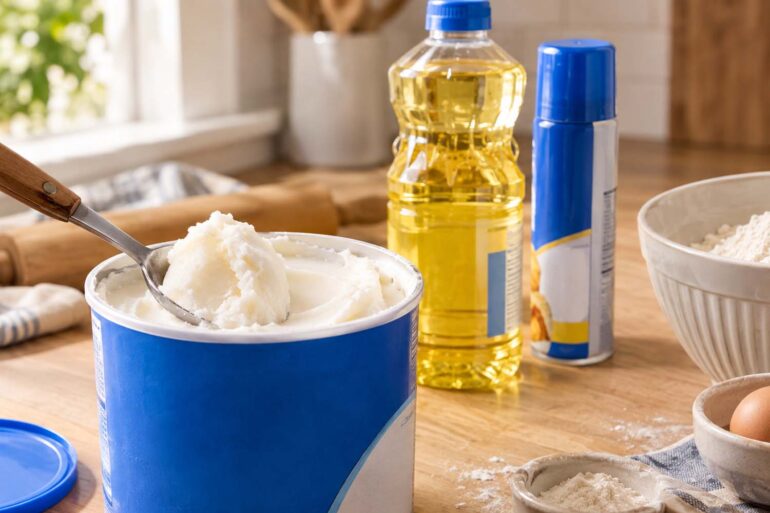
The short answer: Yes, eventually, but through rancidity, not mold or bacterial spoilage. Across the current Crisco lineup, an unopened container is generally good for about 2 years from the date on the package. Once opened, shortening in a
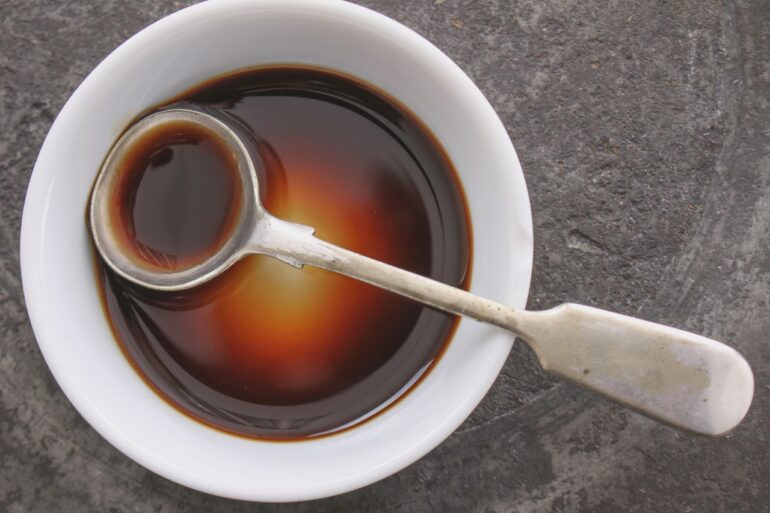
The short answer: No, not for safety. Worcestershire sauce is an acidic, salty condiment, made with ingredients including vinegar, molasses, sugar, salt, tamarind, and anchovies. That combination is what keeps it shelf-stable at