The short answer: Yes, and there's a genuinely surprising fact worth knowing before we get to shelf life: despite the name and the unmistakable pine scent, modern Pine-Sol doesn't actually contain any
The short answer: Slowly, yes, and there's a real surprise in the name itself worth knowing first. Murphy's own safety page states plainly that despite being called "oil soap," no actual free oil is left behind on a surface when
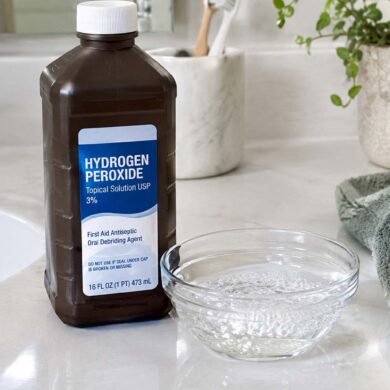
The short answer: Yes, and it happens whether you use it or not. Hydrogen peroxide is chemically unstable by nature. It constantly breaks down into water and oxygen gas, even sealed in the bottle on
The short answer: It depends on what kind you have. Cosmetic mouthwash, the kind that just freshens breath with no other claims, isn't required to carry an FDA expiration date and holds up for a
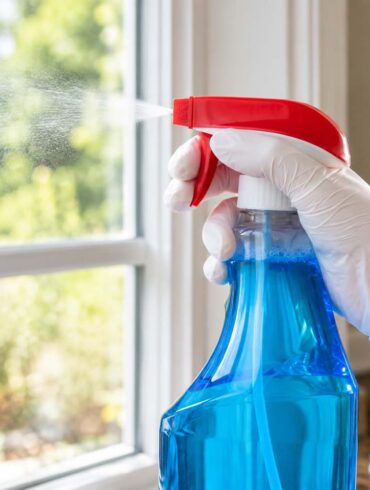
The short answer: Slowly, yes. Windex doesn't carry a strict legal expiration date, and Windex's own FAQ page confirms that most formulas rely on a mix of detergents, solvents, fragrance, and in some formulas,
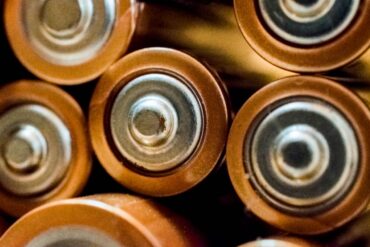
The short answer: Yes, all batteries lose capacity over time, even sitting unused in the package, but how fast depends entirely on the chemistry. Alkaline batteries typically last 5 to 10 years in storage. Lithium primary
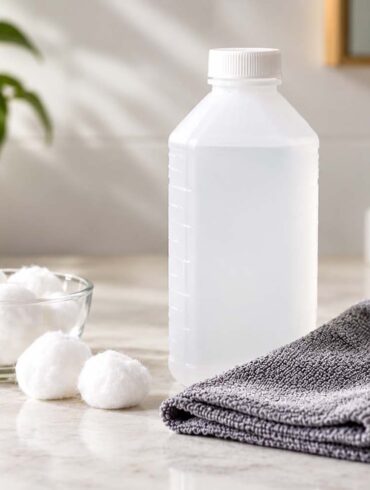
The short answer: Yes, but not the way food does. Rubbing alcohol (isopropyl alcohol) doesn't grow mold or ferment. It loses effectiveness because the alcohol itself slowly evaporates, especially once the bottle has been
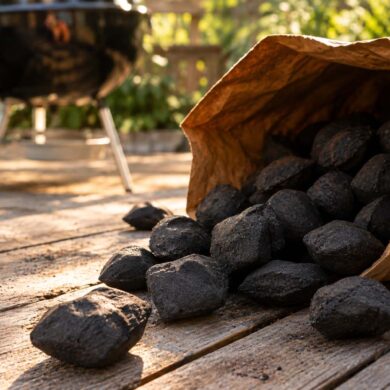
The short answer: Charcoal itself doesn't expire. It's essentially pure carbon, and carbon doesn't decompose, ferment, or break down chemically over time, which is why archaeologists routinely find usable charcoal from
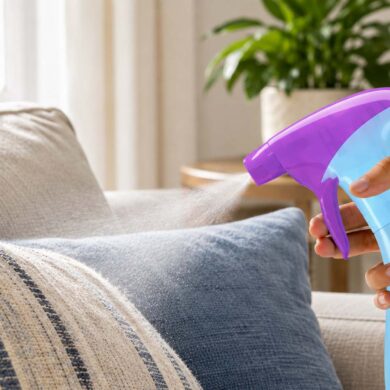
The short answer: Slowly, yes, though the way it works matters more than most people realize. Febreze doesn't cover up odors the way a typical air freshener does; its active ingredient is cyclodextrin, a sugar-derived molecule that
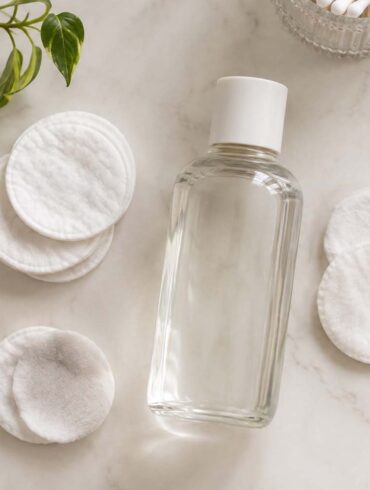
The short answer: Acetone-based remover barely goes bad at all, since acetone itself is chemically stable and doesn't break down over time. What it loses is concentration, as acetone slowly evaporates every time the bottle is
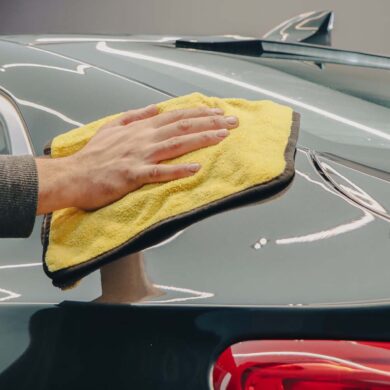
The short answer: Eventually, yes, but probably not as soon as you'd think. Turtle Wax's own safety documentation for its liquid formulas states a shelf life of 7 to 10 years when the container is kept tightly closed and stored properly, and its
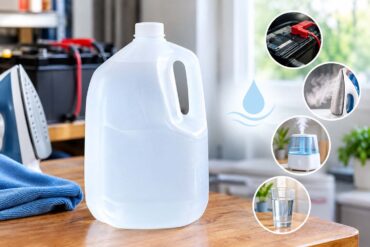
The short answer: Essentially no, and the reason is genuinely different from almost everything else in this household series. Distillation removes minerals, dissolved solids, and microorganisms, leaving water with very little