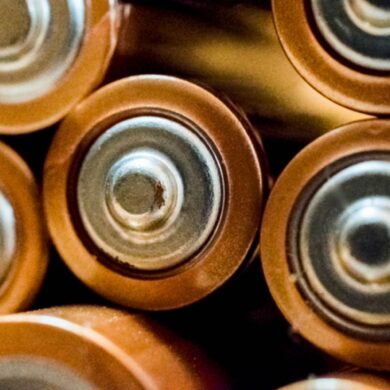
The short answer: Yes, all batteries lose capacity over time, even sitting unused in the package, but how fast depends entirely on the chemistry. Alkaline batteries typically last 5 to 10 years in storage. Lithium primary
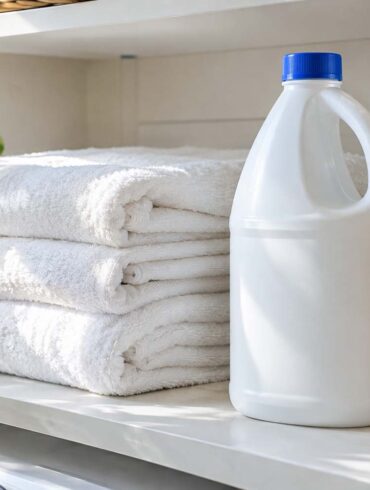
The short answer: Yes, and probably faster than you'd expect. Clorox's own guidance states that properly stored disinfecting bleach lasts up to a year, and after that, the active ingredient breaks down fast enough that it's
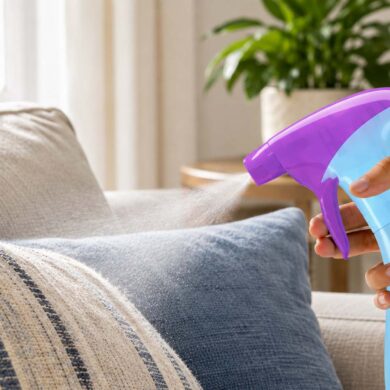
The short answer: Slowly, yes, though the way it works matters more than most people realize. Febreze doesn't cover up odors the way a typical air freshener does; its active ingredient is cyclodextrin, a sugar-derived molecule that
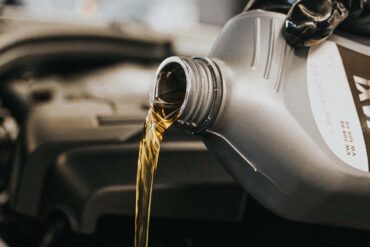
The short answer: Yes, eventually, though it takes years rather than months. Motor oil doesn't spoil the way food does, but it isn't inert forever either. Mobil's own guidance recommends a five-year maximum shelf life for its
The short answer: Yes, eventually, and it's worth knowing this is genuinely a different question from whether liquid Clorox bleach expires, since the two products don't even share the same active ingredient. Clorox's own FAQ confirms that while some
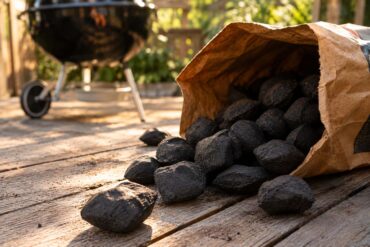
The short answer: Charcoal itself doesn't expire. It's essentially pure carbon, and carbon doesn't decompose, ferment, or break down chemically over time, which is why archaeologists routinely find usable charcoal from
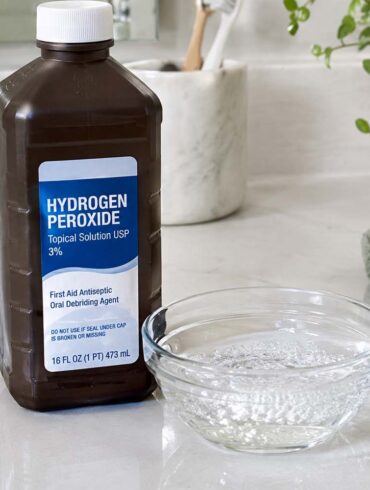
The short answer: Yes, and it happens whether you use it or not. Hydrogen peroxide is chemically unstable by nature. It constantly breaks down into water and oxygen gas, even sealed in the bottle on
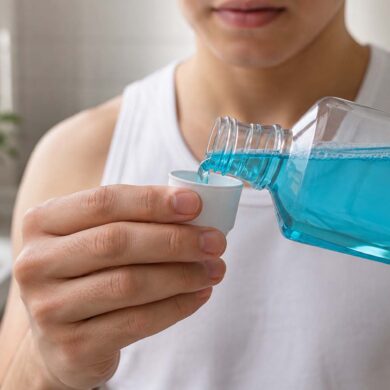
The short answer: It depends on what kind you have. Cosmetic mouthwash, the kind that just freshens breath with no other claims, isn't required to carry an FDA expiration date and holds up for a
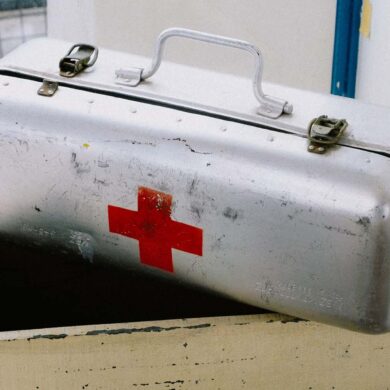
The short answer: The kit itself, the plastic box or nylon pouch, doesn't expire. What's inside it does, and not all at the same rate. According to the American Red Cross, most first aid kit contents can last up to
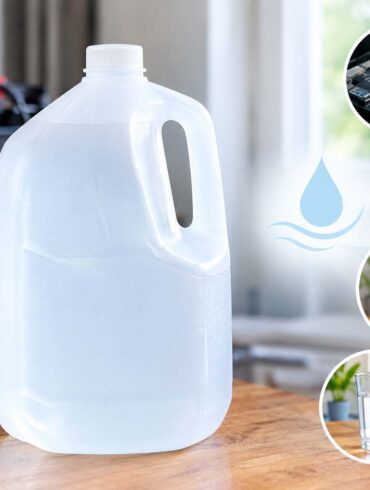
The short answer: Essentially no, and the reason is genuinely different from almost everything else in this household series. Distillation removes minerals, dissolved solids, and microorganisms, leaving water with very little
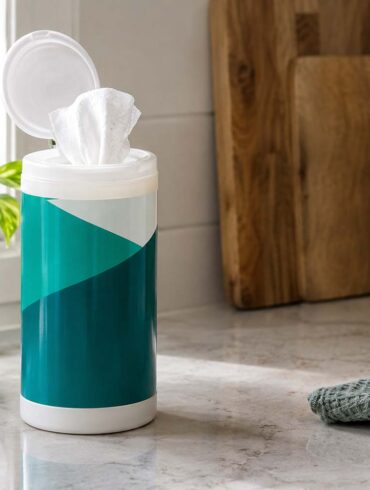
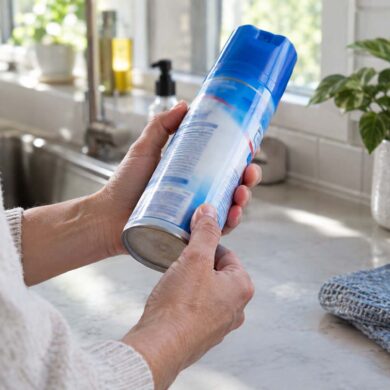
The short answer: Yes, and the way it fails depends on which product you're holding. Lysol's disinfecting products are registered with the EPA as pesticides, each under its own registration number, which
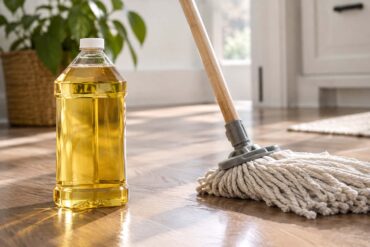
The short answer: Slowly, yes, and there's a real surprise in the name itself worth knowing first. Murphy's own safety page states plainly that despite being called "oil soap," no actual free oil is left behind on a surface when