
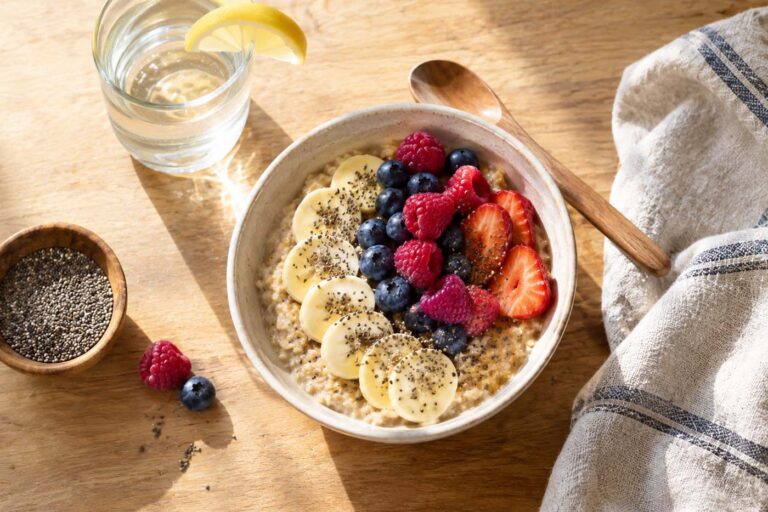
One of the main topics in wellness is gut or digestive health. When we talk about digestive health, that usually means talking about how well a digestive system works and how comfortably it handles food.
We’re talking about:
- Regular bowel movements
- Proper digestion and the absorption of nutrients
- Avoiding issues such as bloating, diarrhea, or constipation
- Maintaining a healthy balance of microorganisms inside the digestive system
- Having a digestive system that works without any ongoing pain or discomfort
But how to have and keep a healthy digestive system? Well, there are many ways to go about it.
We’ll cover a lot of them in the following article, but before we do, there’s one important thing that must be said, and that is that improving your digestive health doesn’t necessarily require following complicated diets or buying a lot of different supplements. It can be an easy process.
After all, our digestive system is connected to what we eat and how active we are; it is also connected to how much we sleep and how well we sleep, and it is even connected to the way we deal with stress. It’s generally a good idea to think of it all as a part of a system or as a part of a healthy lifestyle instead of trying to find a single solution that’ll work for all.
So, what are the best ways to improve our digestive health?
Eat More Fiber-Rich Foods
One of the simplest ways is to include more fiber in your everyday diet. Things like fruits, vegetables, whole grains, beans, lentils, nuts, and seeds all greatly contribute to our fiber intake. Fiber is great because it helps regulate bowel movements while at the same time providing nourishment.
Different foods provide different types of fiber, and variety matters. Having a healthy variety of fruits, vegetables, grains, legumes, nuts, and seeds throughout the week is generally the best way to accomplish this.
However, there is a limit to how much fiber we can and should take. Too much can cause bloating and discomfort. Because of this, it is best to take a more steady and gradual approach.
Add Fermented and Probiotic Foods To Your Diet
Another viable option are fermented foods. These are foods such as yogurt, kefir, sauerkraut, kimchi, and other products that contain live microorganisms. Some people also choose products that are marketed as probiotic foods or supplements. Some of these options can include ingredients such as probiotic fruichias.
Probiotics aren’t just “one thing,” and this is important to note: different strains have different characteristics, and because of that, not every product will work the same for every person.
Here it’s best to check labels and experiment to see what works.
Good Sleep
People think that going to bed and waking up is good sleep. It’s not, necessarily. Good sleep means getting enough (ideally 7 to 9 hours) of uninterrupted rest. Uninterrupted is the key word here, and people don’t think about this much.
As soon as you break your sleep, even for something as simple as going to the bathroom, your rest and sleep are interrupted. Also, you want a fairly consistent sleep schedule, the foundation of any decent sleep hygiene routine.
Current research supports the link between poor or disrupted sleep and negative changes in the gut microbiome.
Lower Your Stress Levels
Frequent and/or prolonged stress can lead to digestive symptoms (e.g., bloating, stomach discomfort, diarrhea, constipation) that are bad for your health.
Regular exercise, enough sleep, taking breaks, socializing, doing things you enjoy, and having goals or targets are all good for stress management.

Stay Hydrated
Food isn’t the only factor that contributes to a healthy digestive system.
Drinking plenty of water with meals and keeping a bottle nearby throughout the day are simple habits that can help in a major way. That said, don’t force yourself to drink. There’s a fine line between a healthy balance and having too little or too much.
Stay Active
Physical activity, of course, is something that benefits muscles and the cardiovascular system. Regular movement also helps support the digestive tract. It doesn’t have to be anything extreme; simple workouts work just as fine. Things like walking, cycling, swimming, stretching, or other activities you enjoy.
If you find something you enjoy, then that will be a lot easier to commit to.
Conclusion
If you want to improve your gut health, you won’t need a super complicated health plan or routine, or a major change in your lifestyle. Things like getting enough fiber, eating a varied diet, getting enough good, consistent sleep, hydrating, and not stressing as much can do a lot for you.
Whatever habit you choose to work on, just make sure it’s something realistic (that’s super important) and something that isn’t a chore, but something that can be considered fun. And it makes sense really; it’s easier to maintain something that you actually enjoy than something that you’re forcing yourself into, the same reason a cleansing routine tends to stick better when it’s built gradually instead of all at once.
And once it becomes a routine, you’ll be on autopilot.
And remember, it’s okay to make mistakes; not everything has to be perfect.

Better Living may earn commissions through affiliate links and may occasionally feature sponsored or partner content. If you make a purchase through our links, we may receive a small commission at no cost to you.