
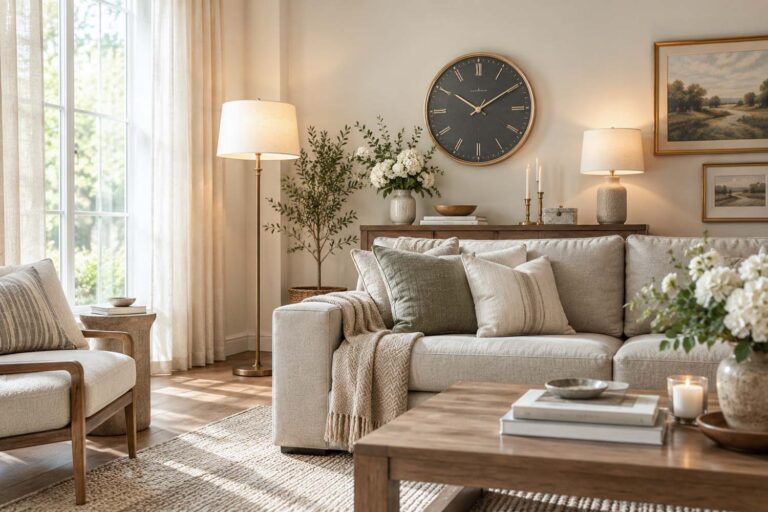
If you are keen to make sure that your home looks the best, the good news is that you rarely need a full renovation to get there. A handful of thoughtful choices, repeated consistently, can make a house feel polished, calm and put together. Most of them are simpler and cheaper than people expect.
Here are practical ways to give your home a touch of class, from the colors on your walls to the way you light a room, so you can enjoy it much more for what it is.
Start With a Calm Palette
 Credit – CCO License
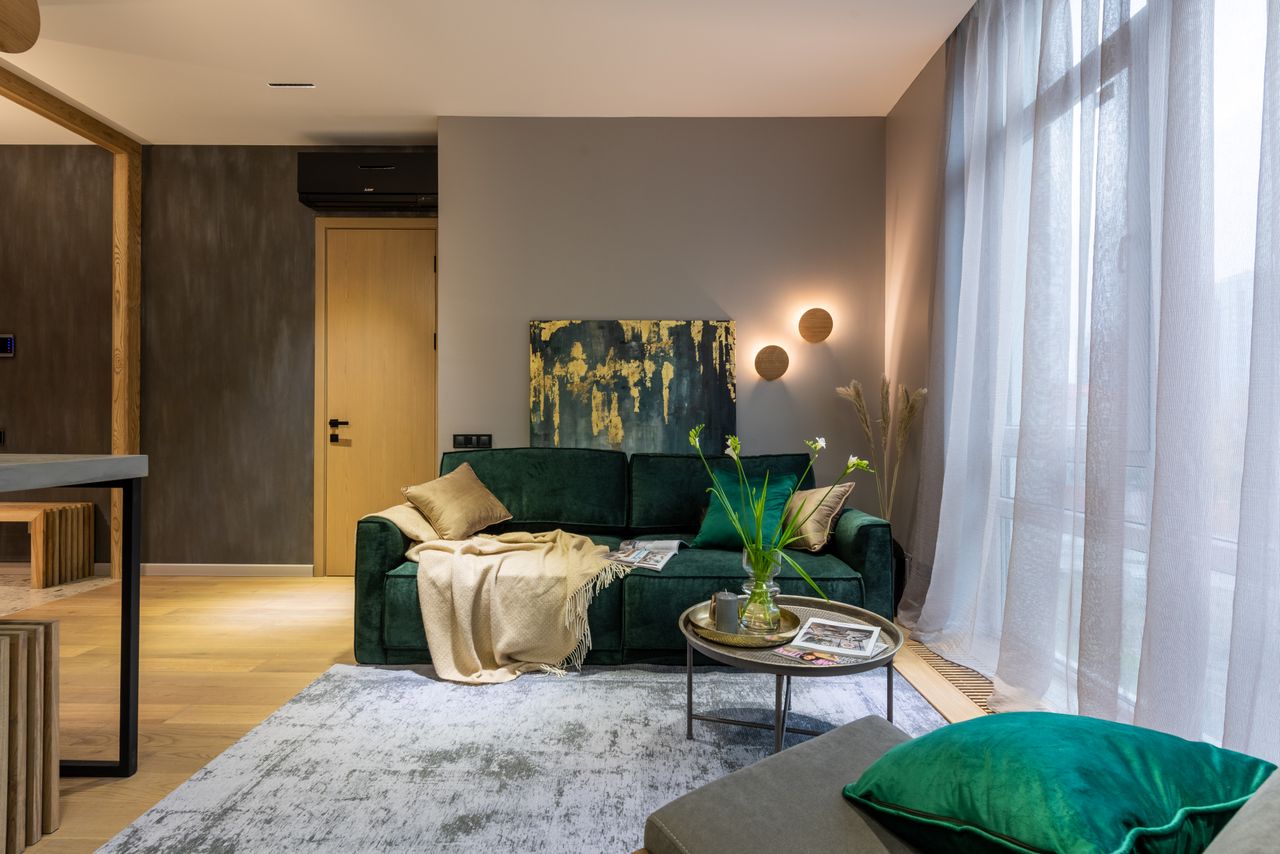
Color says a lot about a home, and a calm, cohesive palette is one of the fastest routes to a classier look. When the colors in neighboring rooms feel related, the whole house reads as intentional rather than pieced together.
Neutral bases such as warm white, soft gray, greige or muted sand give you a flexible backdrop. From there, you can bring in one or two accent colors through pillows, art, throws and accessories. A common design rule of thumb is to let a dominant color cover most of the room, a secondary color support it, and a small accent add interest. You do not need to follow it exactly, but it is a useful check when a room feels busy.
Simple ways to keep a palette cohesive:
- Choose a main neutral and repeat it, or close variations of it, through connected rooms
- Limit bold colors to one or two accents per room
- Repeat accent colors in at least two places, such as a pillow and a piece of art, so they feel planned
- Test paint samples on the wall and look at them in morning and evening light before committing
Add a Statement Piece to Each Room
If you want to upgrade the feeling of a home, consider adding one statement piece to each room. A single standout item gives the eye somewhere to land and signals that the space has been styled with care. It might be a Rolex wall clock in the kitchen, or an upmarket leather armchair in the study. Whatever it is, these touches make a big difference to how the home feels. Many wall clocks styled after famous watch designs are inspired by the originals rather than made by the watch brand itself, so read the product description to understand exactly what you are buying.
One standout piece per room gives the eye somewhere to land.
Statement piece ideas by room:
- Kitchen: an eye-catching wall clock, a sculptural light fixture or a handsome open shelf
- Living room: one large piece of art, an oversized mirror or a well-made sofa in a rich fabric
- Bedroom: an upholstered headboard or a pair of quality bedside lamps
- Study: a leather armchair or a substantial desk with a good lamp
- Entryway: a console table with a mirror above it
The key is restraint. Choose one hero per room and let the rest of the space support it. For ideas on pulling off the art side of this, see this guide to decorating with art, and if your tastes lean in different directions, this look at how to blend modern and traditional decor can help you combine pieces without clashing.
Quality Over Quantity
If there is a mantra worth adopting, this is it. A home looks more refined when it is filled with fewer, better things rather than many forgettable ones. It is always more about what you have, and the quality of it, than about how much you have.
In practice, that means being selective. One well-made sofa will often outlast and outperform several cheap ones, and good bedding, solid hardware and durable materials tend to look better for longer. You do not have to replace everything at once. Upgrade gradually, starting with the things you touch and use every day.
Where quality tends to be most noticeable:
- Bedding and towels, which you feel every day
- Seating you use daily, such as the sofa and dining chairs
- Hardware like cabinet pulls, door handles and faucets
- Window coverings that hang well and fit properly
If a project is bigger than a weekend refresh, plan the budget first. This guide on how to afford the home upgrades you’ve been putting off is a useful starting point.
Let Lighting Help
If you are clever about it, lighting can do a lot of the heavy lifting. It can raise the look of a room without changing much else. The trick is to make sure the lighting is working with you rather than against you.
Designers often talk about layered lighting: an ambient layer for overall illumination, a task layer for reading or working, and an accent layer that highlights art or decorative pieces. Combining the three feels far more inviting than a single harsh overhead fixture. Adding a dimmer to your main lighting lets a room shift easily from bright and practical to soft and relaxed.

Easy lighting upgrades:
- Add table or floor lamps so each room has more than one light source
- Put dimmers on the lights you use most
- Choose warm-toned bulbs in living areas and bedrooms for a softer glow
- Use a small accent light on a favorite piece of art or a statement item
Do not forget natural light. Clean windows, light-filtering curtains and unobstructed sightlines make a room feel brighter, and upgrades like new windows can change how a whole space feels. This guide to energy-efficient windows and home comfort explains how windows affect light, comfort and cost.
Edit, Then Edit Again
A classy home rarely feels crowded. Clearing away surfaces and removing small items that serve no purpose lets your best pieces stand out. Some designers suggest swapping a collection of small accessories for a few larger, more deliberate pieces, which tends to look more open and upscale.
Start with one surface at a time, such as a coffee table or kitchen counter, and keep only what is useful or beautiful. If you need a system to keep things that way, this guide to creating a more organized and comfortable living space has practical ideas.
Finish With Simple, Living Details
Small touches complete a room. A bowl of fresh fruit, a vase of fresh flowers or a plant by the window brings life and color without much expense, and these last-minute home decor ideas with fresh flowers show how quickly it can come together. Quality throws, good candles and well-chosen books add texture and warmth.
When you are ready to tie your colors together across rooms, this guide to building a cohesive home with paint colors is a good next step.
Bringing It All Together
Giving your home a touch of class is not about spending the most or buying the biggest names. It is about making deliberate choices: a calm palette, one standout piece per room, a preference for quality, and lighting that flatters everything it touches. Start with the room you use most, make one or two changes, and build from there. Small, consistent steps are usually what make a home feel truly finished.

Better Living may earn commissions through affiliate links and may occasionally feature sponsored or partner content. If you make a purchase through our links, we may receive a small commission at no cost to you.