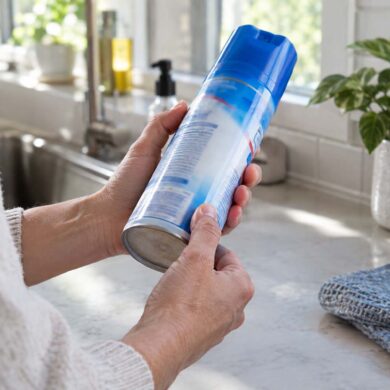
The short answer: Yes, and the way it fails depends on which product you're holding. Lysol's disinfecting products are registered with the EPA as pesticides, each under its own registration number, which
The short answer: Eventually, yes, though not in a way that's usually dangerous. Standard shampoo is a cosmetic product, and the FDA doesn't require cosmetics to carry an expiration date. Medicated shampoo, the kind that treats
The short answer: It depends on what kind you have. Cosmetic mouthwash, the kind that just freshens breath with no other claims, isn't required to carry an FDA expiration date and holds up for a
The short answer: Acetone-based remover barely goes bad at all, since acetone itself is chemically stable and doesn't break down over time. What it loses is concentration, as acetone slowly evaporates every time the bottle is
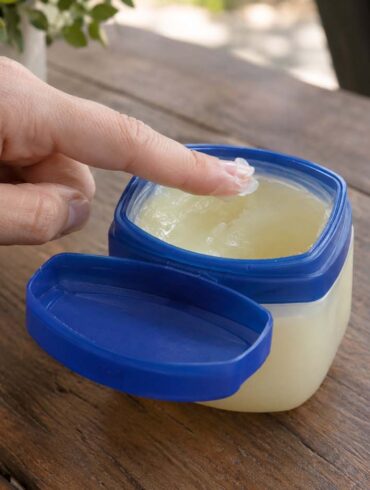
The short answer: Barely, and for a genuinely different reason than almost anything else in this household series. Petroleum jelly is a mixture of mineral oils and waxes with no water in it at all, which means it
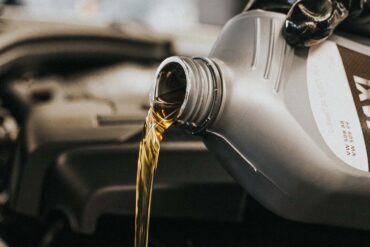
The short answer: Yes, eventually, though it takes years rather than months. Motor oil doesn't spoil the way food does, but it isn't inert forever either. Mobil's own guidance recommends a five-year maximum shelf life for its
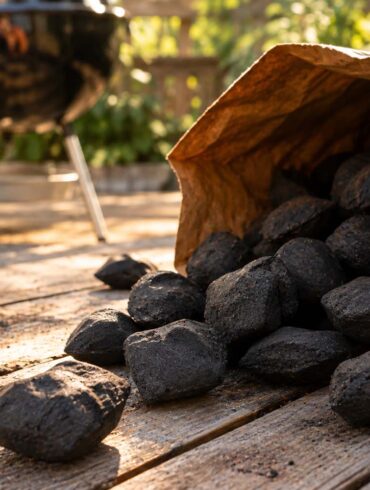
The short answer: Charcoal itself doesn't expire. It's essentially pure carbon, and carbon doesn't decompose, ferment, or break down chemically over time, which is why archaeologists routinely find usable charcoal from
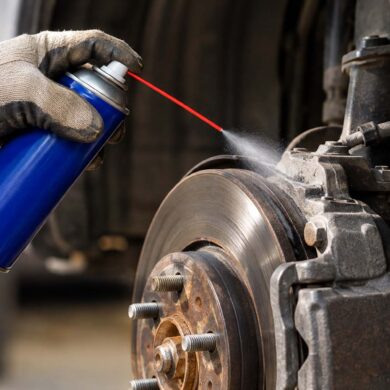
The short answer: Not really, but the can does have a practical shelf life. WD-40 states an official shelf life of 5 years from the date of production, mostly for liability reasons. The formula itself is a
The short answer: Yes, and probably faster than you'd expect. Clorox's own guidance states that properly stored disinfecting bleach lasts up to a year, and after that, the active ingredient breaks down fast enough that it's
The short answer: The kit itself, the plastic box or nylon pouch, doesn't expire. What's inside it does, and not all at the same rate. According to the American Red Cross, most first aid kit contents can last up to
The Short Answer: Flush the stain from the back with cold water immediately, since speed matters more here than with almost any other stain on this site. Follow with dish soap or a vinegar or
The short answer: Yes, but not the way food does. Rubbing alcohol (isopropyl alcohol) doesn't grow mold or ferment. It loses effectiveness because the alcohol itself slowly evaporates, especially once the bottle has been