
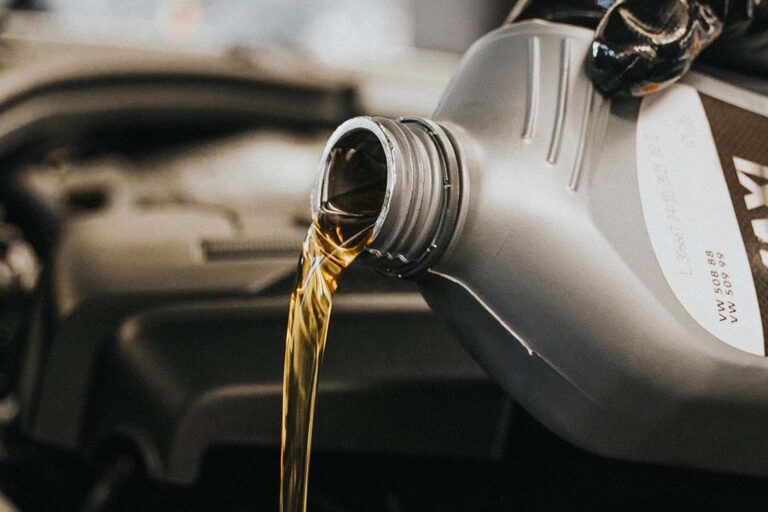
You bought an extra quart or two the last time oil was on sale. Now you’re staring at a bottle that’s been sitting in the garage for who knows how long. Does motor oil go bad?
The short answer: Yes, eventually. It takes years rather than months, though. Motor oil doesn’t spoil the way food does, but it isn’t inert forever either. Mobil’s own guidance recommends a five-year maximum shelf life for its engine oils, including Mobil 1 synthetic. That figure holds up broadly across the industry. The base oil itself stays remarkably stable in a sealed container. What actually limits shelf life is the additive package: the performance chemicals that fight wear, control viscosity, and resist oxidation. Those additives can slowly separate or break down, even before you open the bottle.
For more shelf-life guides across the rest of your household, check out our full Household Shelf Life Guide.
Key Takeaways
Unopened motor oil is good for roughly 2 to 5 years. It depends on the manufacturer and oil type. Mobil cites a 5-year maximum. Other major brands range from about 2 to 5 years for their own products.
The additive package degrades before the base oil does. Anti-wear agents, detergents, and viscosity modifiers can separate out of suspension. They can also slowly lose effectiveness over years of storage, even in a sealed bottle.
Synthetic oil generally outlasts conventional oil on the shelf. Its molecular structure is more uniform, so it resists breakdown better. That’s part of why synthetic-oil makers often cite longer shelf-life windows than conventional brands do.
Use opened oil much sooner. Within about a year is the general rule. An open container lets in air and moisture, and both speed up oxidation.
Why Motor Oil Has a Shelf Life at All
Why the Base Oil Barely Ages
The base oil is the petroleum or synthetic fluid that fills most of the bottle. It stays chemically stable and doesn’t spoil quickly on its own. The additives blended into it are what really limit shelf life. Modern motor oil is roughly 80-90% base oil, and the rest is an additive package. That package includes detergents to keep the engine clean, anti-wear agents like zinc compounds, viscosity index improvers, and antioxidants that keep the oil itself from breaking down under heat.
Why the Additives Wear Out First
Over years of storage, even sealed, some of these additives slowly separate out of suspension. Industry insiders call this additive dropout. Others lose potency through the same oxidation that engine heat normally speeds up. A five-year-old sealed quart hasn’t gone rancid. But its protective chemistry may not perform exactly as intended anymore. That’s why manufacturers put a shelf-life ceiling on it instead of calling it indefinite.
Conventional vs. Synthetic: Why the Numbers Differ
Conventional oil comes from refined crude petroleum. It contains a wider, less uniform mix of hydrocarbon molecules. That variability gives oxidation and separation more footholds over time. It’s part of why conventional-oil manufacturers often cite shorter shelf-life windows, commonly 2 to 4 years.
Synthetic oil goes through a manufacturing process built for a more uniform molecular structure. That structure resists breakdown better. It’s part of why full synthetic oils often carry longer shelf-life claims, commonly 5 years or more, from major manufacturers. Either way, the additive package, not the base oil type, is usually the real limiting factor.
Motor Oil Shelf Life at a Glance
| Condition | Typical Shelf Life | Notes |
|---|---|---|
| Unopened conventional oil | 2-4 years | Varies by manufacturer; check the bottle’s date code |
| Unopened synthetic oil (e.g., Mobil 1) | Up to 5 years | Per Mobil’s own stated maximum shelf life |
| Opened bottle | About 1 year | Air and moisture exposure speed up oxidation once the seal is broken |
| Oil already in a running engine | Follow your owner’s manual interval | Heat, combustion byproducts, and contamination degrade in-use oil far faster than storage alone ever would |
What “Expired” Actually Means
Here’s where casual advice gets sloppy. Manufacturers describe a conservative window for guaranteed performance. It’s not a hard cutoff after which the oil turns harmful. Say you stored a bottle properly, and it shows none of the warning signs below. Oil a year or two past a brand’s shelf-life date is usually still fine to use. Oil that’s been sitting for a decade, or that shows separation or a burnt smell, is a different story. The real driver is storage conditions and how long ago you broke the seal, not a single date on the bottle.
Signs Your Motor Oil Has Actually Gone Bad
Visible separation or a cloudy, curdled appearance when you look at the oil in good light. This signals the additive package has broken down.
A strong, burnt, or sour smell rather than the mild petroleum odor fresh oil normally has.
Sediment or particles that settle at the bottom and don’t redistribute when you shake the container.
A thickened or gel-like texture. This can happen after extreme temperature swings, and it signals the viscosity has changed.
Rust or discoloration inside a metal container, which can mean moisture got in and contaminated the oil.
How to Store Motor Oil for Maximum Shelf Life
Keep it in its original, tightly sealed container. The bottle limits air and moisture exposure by design. Moving oil to another container adds contamination risk.
Store it upright in a cool, dry, temperature-stable place. A climate-controlled garage or basement beats a hot attic or an uninsulated shed. Repeated freeze-thaw and heat cycles speed up additive breakdown.
Keep it out of direct sunlight. Sunlight can degrade both the plastic container and the oil’s antioxidant additives over time.
Check the date code before buying or using older oil. Most manufacturers stamp a production date on the bottle, though the format varies by brand. When in doubt, contact the manufacturer with the batch code.

Getting ready for a long drive? Checking oil age and level is just as much a road-trip prep item as checking tire tread. See our road trip planning guide and Cooper Tires review for the rest of the pre-trip checklist.
Disposing of Old Motor Oil Safely
Never pour old or expired motor oil down a drain, into the yard, or into regular household trash. The EPA calls used oil a genuine environmental hazard. Dump a single gallon improperly, and it can contaminate up to a million gallons of water. It’s illegal to dispose of this way in most places, whether or not the oil ever went into an engine. The good news: motor oil, expired or not, is one of the most recyclable household products there is. Collect it in a sealed container (the original bottle works well). Keep it free of other fluids like antifreeze or brake fluid. Then drop it at an auto parts store, a service station, or a municipal household hazardous waste site. Most of these accept used and expired oil for free. Recyclers re-refine used oil into new lubricants, so even a bottle too old to trust in an engine doesn’t have to go to waste.
Frequently Asked Questions
Can I still use motor oil that’s past its manufacturer’s shelf-life recommendation?
Often yes, if you stored it properly and it shows no visible separation, discoloration, or odor. A manufacturer’s shelf-life number is a conservative performance guarantee, not a hard safety cutoff. That said, for anything performance-critical, like a newer engine under warranty or high-stress driving, fresh oil within the recommended window is the safer choice.
Does old motor oil damage an engine?
Oil that has genuinely degraded, with separation, sediment, or a burnt smell, can offer reduced wear protection. It may not flow or lubricate the way the manufacturer intended. Using it probably won’t cause sudden catastrophic damage. But it defeats the purpose of buying oil engineered to those specifications in the first place.
Why does synthetic oil last longer on the shelf than conventional oil?
Manufacturers build synthetic base oils to a more uniform molecular structure than conventional oils. That structure resists oxidation and breakdown better, both in the engine and in storage.
How can I tell how old a bottle of oil actually is?
Look for a printed date code on the bottle. The format differs by manufacturer: some use a plain date, others use plant and Julian-date codes. If you can’t decipher it, most manufacturers can look up a bottle’s age from its batch number if you contact them directly.
Does oil that’s already in my car’s engine expire the same way?
No, that’s a different situation entirely. Oil in a running engine degrades far faster than sealed storage ever would. Heat, combustion byproducts, and contamination all take a toll. That’s why your owner’s manual mileage or time interval governs when to change it, not the shelf-life figures here.
My used oil looks black on the dipstick. Does that mean it’s gone bad?
Not by itself, and this is a common misread. Modern oil contains detergent additives built to hold soot and combustion byproducts in suspension, instead of letting them deposit on engine surfaces. That’s exactly what darkens the oil as it works. Dark color alone is normal. Without a burnt smell, a gritty texture, or a milky appearance (a sign of coolant contamination), it’s not a reliable indicator that oil needs changing. Mileage or time since the last change, per your owner’s manual, is the actual signal to go by.
Further Reading
- Does WD-40 Go Bad?
- Do Batteries Go Bad?
- Cooper Tires Review
- Road Trip Planning Guide
- Household Shelf Life Guide

Better Living may earn commissions through affiliate links and may occasionally feature sponsored or partner content. If you make a purchase through our links, we may receive a small commission at no cost to you.