
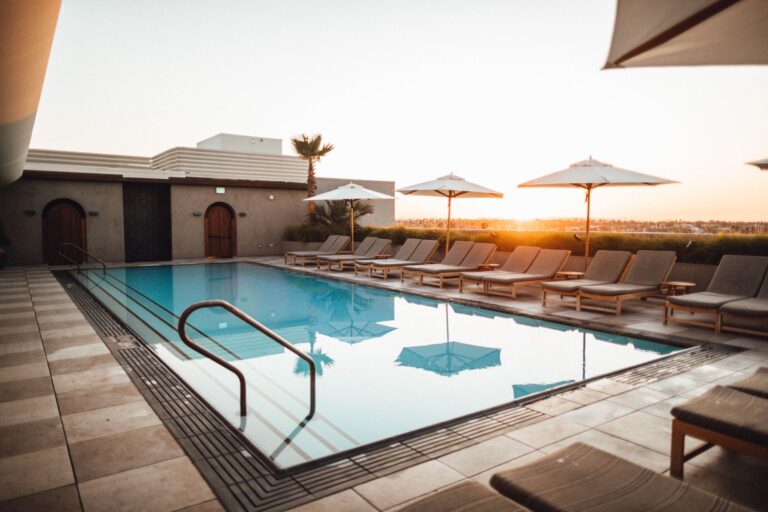
A luxury hotel is judged by more than its appearance or the reputation of its name. Guests expect a comfortable stay, attentive service, and surroundings that feel carefully considered. Every space contributes to that impression, including areas that may not receive the same attention as the lobby or guest rooms.
The difference between an attractive hotel and an exceptional one often comes down to how well its design and facilities work together. Elegant interiors create an inviting atmosphere, while practical details make the experience enjoyable from arrival to departure.
Interior Design and First Impressions
The guest experience begins long before someone enters their room. Reception areas, entrances, and lounges establish the character of a property and give visitors an early sense of its standards.
Creating a Consistent Look
Well-designed hotels usually follow a clear visual direction. Natural stone, warm wood, carefully selected fabrics, and considered lighting can make a space feel refined without making it appear overly formal. The goal is to create an atmosphere that feels welcoming rather than simply expensive.
Consistency is equally important. When the lobby, corridors, restaurants, and guest rooms share a common design approach, the property feels cohesive. Even smaller choices, such as door hardware, furniture finishes, and lighting fixtures, help create that impression.
Good design should also account for how people actually use a room. A beautiful lounge loses some of its appeal if seating is uncomfortable or walkways feel cramped. Appearance and function need to work together.
The goal is to create an atmosphere that feels welcoming rather than simply expensive.
Guest Facilities Across California’s Luxury Hotel Scene
California offers a wide range of travel experiences, from the cultural attractions and restaurants of San Francisco to Sacramento’s historic districts and the coastal appeal of San Diego. Its hospitality industry serves business travelers, holidaymakers, and visitors looking for everything from urban hotels to resort-style stays. The state’s many destinations and travel experiences reflect just how varied those expectations can be.
Southern California has its own distinct appeal, combining coastal communities, shopping, dining, entertainment, and major cultural attractions. Los Angeles is a central part of that scene. Visitors explore Beverly Hills, spend time around Santa Monica, attend events in downtown venues, and discover the city’s restaurants, museums, and entertainment districts. Hotels in the area need to accommodate different types of guests, often using the same shared facilities throughout the day.
Restrooms are an important part of that experience. In hotels across Los Angeles, these spaces may serve overnight guests, restaurant customers, event attendees, and other visitors. Their design should balance appearance with privacy, durability, and straightforward maintenance. Hotel owners and operators in Southern California often need restroom facilities that can handle steady visitor traffic without compromising privacy or appearance. Working with suppliers specializing in Los Angeles bathroom partitions can help hospitality businesses select materials and mounting styles suited to the demands of busy hotel restrooms.
Material selection matters just as much as the overall layout. Surfaces need to withstand regular cleaning, while fixtures and fittings should remain dependable under daily demand. A carefully planned restroom supports the hotel’s design without sacrificing practical performance.
Comfort and Privacy in Shared Spaces
Guest facilities extend well beyond restrooms. Restaurants, fitness centers, spas, swimming pools, and meeting areas all influence how visitors experience a hotel. Each space should be designed around its purpose, with enough room for people to move comfortably and use the available amenities.
Accessibility and Ease of Use
Comfort also means making facilities accessible to people with different needs. Clear signage, suitable routes, appropriate door widths, and thoughtfully arranged restrooms help guests navigate a property more independently.
Accessibility should be considered during the initial design process, not treated as a last-minute adjustment. The U.S. Access Board’s ADA Standards offer guidance on accessibility requirements for public accommodations and other facilities. Hotel owners and design teams can use these standards as a reference when planning renovations or developing new properties.
Privacy is another basic expectation. In shared restrooms, well-positioned stalls, secure hardware, and properly fitted partitions help visitors feel comfortable. These details may go unnoticed when everything works as intended, but they can quickly affect someone’s impression when they do not.

Regular maintenance is essential, too. Worn finishes, loose fittings, poor lighting, and damaged fixtures can make an otherwise impressive property feel neglected. Routine inspections and suitable materials help keep common areas in good condition, and guests notice cleanliness from the moment they arrive.
When appearance and functionality receive equal attention, the result is a more complete experience for every guest.
Service and Attention to Detail
Even a beautifully designed property depends on the people responsible for running it. Helpful staff, efficient check-in procedures, and prompt responses to guest requests all contribute to a positive stay.
Personalized service does not have to involve elaborate gestures. A receptionist who offers useful local recommendations, housekeeping that responds to specific requests, or restaurant staff who make guests feel welcome can have a lasting impact.
Behind the scenes, coordination between departments helps maintain consistent standards. Housekeeping, reception, maintenance, and food service teams all play a part in the experience. When these operations work smoothly, visitors can focus on enjoying their stay rather than dealing with avoidable inconveniences.
Conclusion
Exceptional luxury hotels bring together thoughtful design, comfortable facilities, privacy, and attentive service. Their appeal depends not only on impressive interiors but also on the everyday details that make a property welcoming and easy to use. When appearance and functionality receive equal attention, the result is a more complete experience for every guest.

Better Living may earn commissions through affiliate links and may occasionally feature sponsored or partner content. If you make a purchase through our links, we may receive a small commission at no cost to you.