
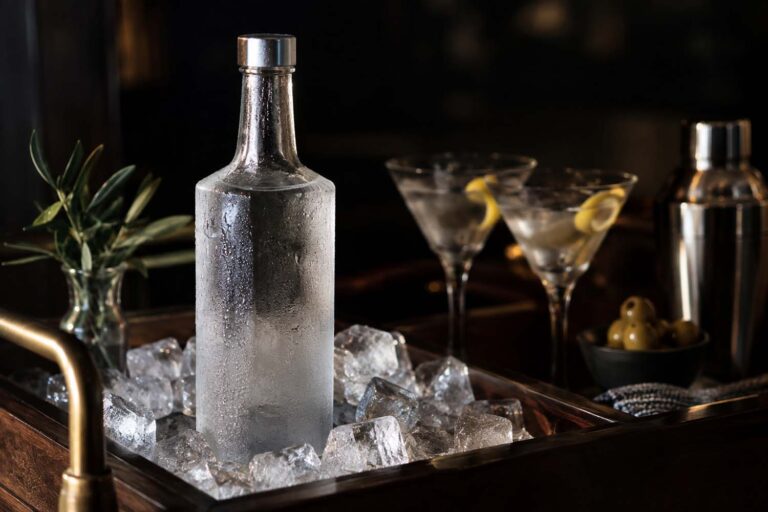
You find a bottle of vodka in the back of the liquor cabinet that’s been open for who knows how long. Maybe it’s a name brand from a party two years ago, maybe it’s a flavored bottle that’s been sitting since last summer. Does vodka go bad?
The short answer: Unopened vodka doesn’t go bad, full stop. It can sit sealed for decades and taste exactly the same when you finally open it. Opened, unflavored vodka is nearly as durable, commonly holding its quality for 10 to 20 years before oxidation starts to dull it, and that’s largely a function of how full and tightly sealed the bottle stays rather than a fixed countdown. Flavored vodka is the exception: the added sugars and natural flavoring compounds break down much faster, so an opened bottle is best used within about 6 months to 2 years.
If you’re mostly reaching for vodka to cook with rather than sip, our gluten-free penne alla vodka is a good way to use up a bottle that’s a little past its prime, since the sauce covers any subtle flavor loss. For more shelf-life guides across the rest of your bar cart, check out our full Bar & Spirits Guide.
Key Takeaways
- Unopened vodka: Indefinite shelf life. Absolut confirms it doesn’t expire if stored properly, sealed and away from heat and light.
- Opened, unflavored vodka: Widely cited at 10 to 20 years before oxidation noticeably dulls the flavor and aroma. Absolut notes that ABV itself can also drop slightly over that time from air exposure, on top of the flavor changes.
- Opened, flavored vodka: A much shorter window, roughly 6 months to 2 years, since the added sugars and flavor compounds degrade faster than the alcohol itself.
- “Expired” vodka won’t make you sick. Its high alcohol content prevents bacterial or mold growth, so even a bottle that’s lost quality is still safe to drink.
- Vodka doesn’t freeze in a home freezer. At roughly 40% ABV, its freezing point is around -16°F (-27°C), well below the 0°F a typical freezer reaches, so keeping it in the freezer is safe and doesn’t damage it.
- There’s no federal expiration-date requirement. The TTB’s mandatory labeling checklist for distilled spirits doesn’t include a shelf-life or expiration date at all.
Why Vodka Is One of the Most Stable Things in Your Cabinet
High Alcohol Content Does the Preserving
At around 40% alcohol by volume, vodka is well past the concentration where bacteria and mold can survive. That’s the same basic principle behind preserving food in strong alcohol, and it’s why sealed vodka doesn’t need refrigeration or a “use by” date the way milk or juice does. Nothing is alive in the bottle to grow or ferment further, and there’s essentially nothing for oxygen to react with while the cap stays sealed.
Vodka has an advantage most other spirits don’t: very little to oxidize in the first place. Unflavored vodka is intentionally distilled and filtered to be as neutral as possible, with few of the congeners and wood-derived compounds that whiskey or aged rum pick up from barrels. Since there’s less complexity to begin with, there’s less for air exposure to break down once the bottle is opened, which is a big part of why unflavored vodka holds up for years after opening rather than months.
Flavored vodka plays by different rules. Natural fruit extracts, purees, and added sugars introduce exactly the kind of organic compounds that oxidize and lose their character over time. The alcohol itself still won’t spoil, but the flavoring can turn muted or slightly off well before the vodka would otherwise show its age.
How Long Vodka Actually Lasts
| Type | Unopened | Opened |
|---|---|---|
| Unflavored vodka | Indefinite | 10 to 20 years |
| Flavored vodka | Indefinite | 6 months to 2 years |
Figures reflect brand guidance from Absolut and Grey Goose, not a regulated standard. Exact shelf life still depends on storage conditions and how much air is in the bottle.
Signs Your Vodka Has Lost Quality
When It’s Past Its Best
Cloudiness or floating particles. Unflavored vodka should stay perfectly clear. Any haziness or visible sediment is a sign something has changed, whether from oxidation, temperature swings, or a compromised seal.
A flat, muted, or off smell compared to when the bottle was fresh. Vodka’s aroma is subtle to begin with, so a noticeable change, especially anything sour or plasticky, is worth paying attention to.
A stale or watered-down taste. This is the most common complaint with old, opened vodka: it doesn’t taste bad exactly, just less crisp and clean than it should.
Any color at all in unflavored vodka. It should be completely colorless. A yellow or amber tint suggests contamination or an issue with the bottle, not normal aging.
None of these signs make vodka unsafe. They just mean it’s better suited for a mixed drink where other ingredients cover the flavor than for sipping on its own.
How to Store Vodka So It Lasts
Storage Best Practices
Keep the cap on tightly between pours. Every bit of air that gets in is an opportunity for slow oxidation, even though vodka resists it better than most spirits.
Store away from direct light and heat, ideally in a cabinet rather than on an open bar cart in direct sun. Light and warmth both accelerate the slow flavor changes that eventually dull a bottle.
The freezer is genuinely fine for unflavored vodka. Grey Goose confirms that vodka won’t freeze solid in a standard home freezer, since its freezing point is far below what a typical freezer reaches. It also doesn’t damage the vodka; it just makes it thicker and colder for serving.
Go a little more careful with flavored and premium bottles. Very cold temperatures can mute the delicate aromatics some higher-end and flavored vodkas are built around, so refrigeration is often a better call than the freezer for those.

Store bottles upright, not on their side. Unlike wine, vodka doesn’t benefit from contact with a cork, and most bottles use screw caps anyway, so upright storage avoids any unnecessary contact between the spirit and the cap seal.
What to Do With a Bottle You Don’t Want Anymore
There’s rarely a real disposal question with vodka, since even a bottle that’s lost quality is still safe to drink or cook with. If you genuinely need to pour some out, a small amount can go down the drain diluted with plenty of water; ethanol at typical drinking concentrations isn’t classified as hazardous waste and breaks down in standard wastewater treatment. A truly emptied bottle is just glass or plastic for your regular recycling.
Frequently Asked Questions
Does vodka expire?
Not in the way food does. Unopened vodka lasts indefinitely, and unflavored vodka that’s been opened commonly holds its quality for 10 to 20 years. Flavored vodka is the exception, since the added sugars and flavoring compounds degrade faster, typically within 6 months to 2 years of opening.
Is it safe to drink old vodka?
Yes. Vodka’s alcohol content prevents the bacterial or mold growth that makes food unsafe, so old vodka isn’t a health risk even if it’s been open for years. The only downside is quality: it may taste flatter or less crisp than a fresh bottle, which is more noticeable sipped straight than mixed into a cocktail.
Can you keep vodka in the freezer long-term?
Yes, for unflavored vodka. Its freezing point is far below what a home freezer reaches, so it stays liquid indefinitely and isn’t damaged by the cold. Some flavored or premium vodkas are better kept in the fridge instead, since very cold temperatures can dull their more delicate aromatics.
Does vodka get better with age, like wine or whiskey?
No. The aging most people associate with spirits happens during production, when whiskey or rum sits in a wood barrel and picks up flavor from the wood over months or years. Once vodka is distilled, filtered, and bottled, that process is finished. Sitting in a sealed glass bottle, whether for one year or fifty, doesn’t add flavor or complexity; at best it stays the same, and once opened it can only slowly lose quality, not gain it.
Further Reading

Better Living may earn commissions through affiliate links and may occasionally feature sponsored or partner content. If you make a purchase through our links, we may receive a small commission at no cost to you.