
Packing for a ski holiday is slightly different from packing for a normal winter break. You need to stay warm without becoming overloaded with bulky clothing, and there are several pieces of equipment and small accessories that can make a big difference once you reach the mountains.
The good news is that you do not need to take your entire winter wardrobe with you. The key is choosing practical layers, suitable footwear and a few essentials that will keep you comfortable on and off the slopes. For anyone booking a ski trip through a specialist such as Alpine Elements, it is also worth checking what equipment or services are already included before filling your suitcase.
A little planning before you leave can make the journey easier and help you avoid buying expensive essentials at the resort. If you want the fundamentals first, our general packing tips for smarter, lighter travel are a useful starting point before you get into ski-specific gear.
Start with the right ski clothing
The most important part of your packing list is your clothing.
Rather than relying on one very thick jumper or coat, it is usually better to use several layers. This gives you more flexibility when temperatures change during the day.
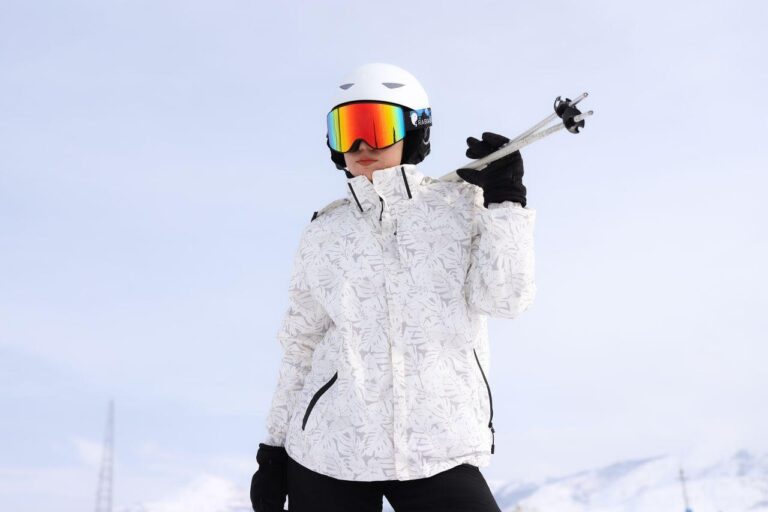
A typical ski outfit might include a thermal base layer, an insulating mid-layer and a waterproof outer layer. The base layer helps manage moisture, while the middle layer provides warmth. Your outer layer needs to protect you from snow, wind and moisture.
For most ski trips, you will want at least:
- A thermal top and bottoms
- A fleece or warm mid-layer
- A waterproof ski jacket
- Waterproof ski trousers or salopettes
- Several pairs of ski socks
- Warm everyday clothes for evenings
Avoid cotton as your main base layer if possible. It can absorb moisture and stay damp, which is not particularly comfortable in cold conditions.
Pack a good ski jacket and trousers
Your outer layers deserve particular attention because they are your main protection against the weather.
A good ski jacket should be waterproof, wind-resistant and warm enough for the conditions you expect. Features such as a hood, zipped pockets and snow skirts can also be useful.
Ski trousers need similar protection. Waterproofing becomes particularly important if you are likely to spend time sitting in snow, falling over while learning or skiing in wet conditions.
You do not necessarily need the most expensive clothing available. Focus on fit, weather protection and comfort rather than simply buying a premium brand.
Take enough ski socks
Socks are easy to overlook, but the wrong pair can make a surprisingly big difference.
Choose socks specifically designed for skiing or other cold-weather activities. They should provide warmth without being so thick that they make your boots uncomfortable.
It is better to pack several pairs rather than trying to reuse the same socks throughout the trip. Dry socks at the end of a long day can feel like a luxury.
Avoid wearing multiple thick pairs inside your ski boots. Too much material can restrict circulation and make your feet colder rather than warmer.
Choose suitable gloves or mittens
Cold hands can quickly ruin an otherwise enjoyable day on the mountain.
Waterproof gloves are essential for most ski holidays, particularly if you are likely to encounter snowfall or spend time on the ground while learning.
Mittens can sometimes feel warmer because your fingers share heat, while gloves provide better dexterity for adjusting equipment and using phones or cameras.
Some skiers also prefer thin glove liners underneath their main gloves, particularly in very cold conditions.
Whichever option you choose, having a spare pair is sensible. Wet gloves are far less useful than dry ones.
Protect your head, eyes and face
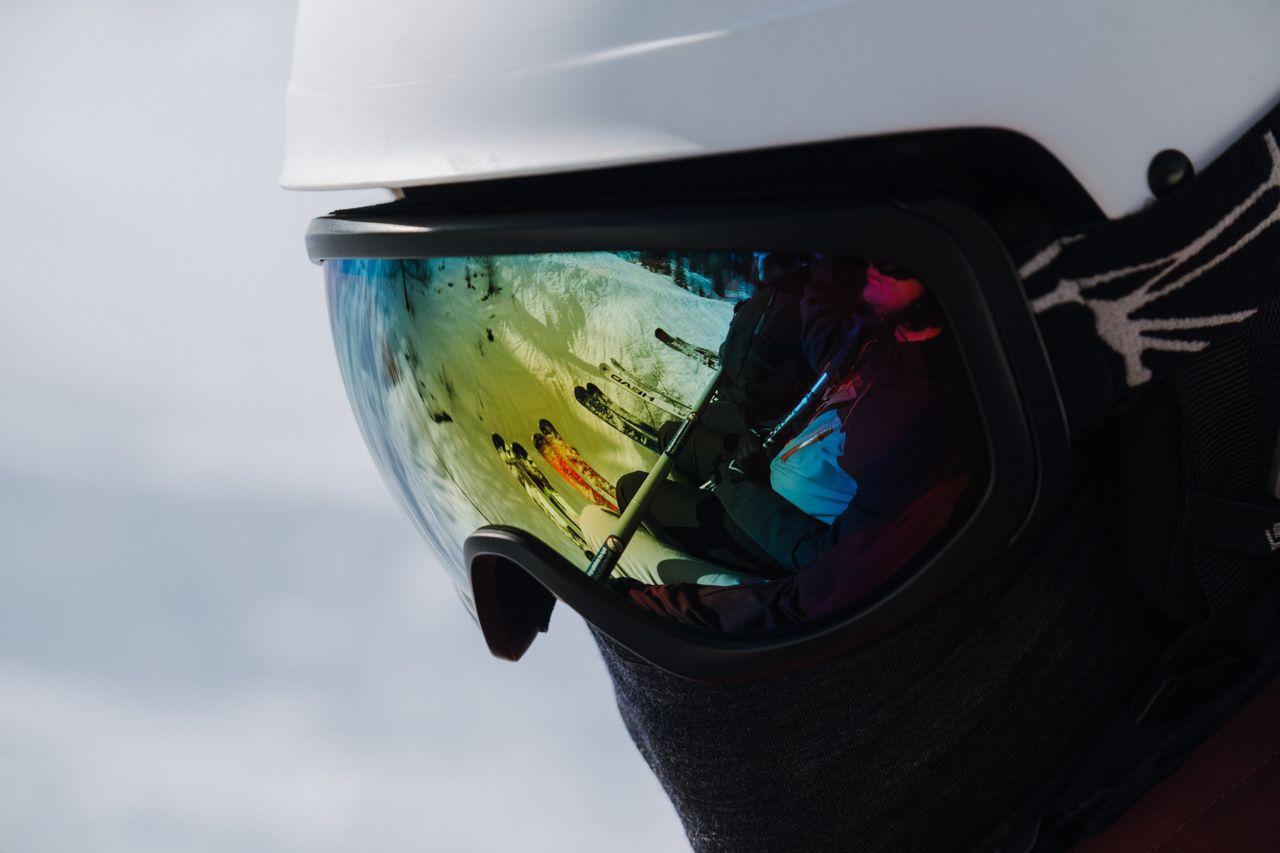
A warm hat is useful away from the slopes, but helmets are the obvious choice while skiing or snowboarding.
If you are hiring a helmet, check in advance whether it is included with your equipment rental. If you already own one and prefer your own fit, you may choose to bring it with you.
Goggles are another essential. They protect your eyes from wind, snow and bright sunlight reflecting from the slopes.
Look for goggles suited to the conditions you are likely to encounter. It can also be useful to have a darker lens for bright days and a lighter option for low visibility, although many modern goggles are designed to work well across a range of conditions.
Sunscreen and lip balm with SPF are important too. The combination of altitude, sun and reflected light can lead to surprisingly quick sunburn, even when temperatures feel freezing.
Decide what ski equipment to bring
One of the biggest packing decisions is whether to bring your own ski equipment or hire it at the resort.
Experienced skiers who already own well-fitting boots and skis may prefer to travel with their own equipment. For occasional skiers, however, hiring can be much more convenient.
If you are hiring skis, boots, poles or a snowboard, check the arrangements before travelling. Knowing what is included and where equipment will be collected can save time once you arrive.
There is little point filling your luggage with equipment that is already included in your booking or easily available locally.
For beginners especially, hiring equipment can be a practical way to avoid purchasing expensive gear before knowing how regularly you will ski. If you’re still choosing where to go, a resort guide like our look at skiing in Park City can help you weigh up terrain and rental options before you pack.
Pack the right footwear for the resort
Ski boots are designed for skiing rather than walking around the village.
For everyday use, bring a comfortable pair of waterproof winter boots with good grip. You may be walking through snow, icy streets or slushy paths between your accommodation, restaurants and lifts.
Thick wool or thermal socks will help keep your feet warm, but avoid making your footwear so tight that there is no room for them.
A pair of lightweight slippers or comfortable indoor shoes can also be useful for evenings in your accommodation, particularly in a chalet where you may be asked to remove outdoor footwear.
Remember the smaller accessories
Some of the smallest items can prove to be among the most useful.
Consider packing:
- Sunglasses
- A neck warmer or buff
- A reusable water bottle
- Hand warmers
- A small rucksack
- Tissues
- Moisturizer and lip balm
- Power bank
- Phone charging cables
- Small first-aid essentials
A neck warmer can be particularly useful on windy days, while hand warmers are a simple addition for anyone who tends to feel the cold.
A small backpack can also be handy for carrying water, extra layers and personal items during the day, although check whether your chosen ski area has any restrictions around what can be carried on certain lifts.
Pack for evenings as well as skiing
It is easy to concentrate so heavily on ski clothing that you forget you will spend most of your evenings out of ski gear.
Think about what you are likely to do after the lifts close. You may want comfortable clothes for dinner, a warmer jumper for sitting outside and something slightly smarter if you plan to eat at restaurants or visit local bars.
A simple combination of warm trousers, sweaters and a casual jacket is usually enough for most resort evenings.
You also do not need a separate outfit for every night. Choose versatile clothing that can be worn in different combinations and you will save both luggage space and effort.
Do not forget medication and personal essentials
Medication is one of the last things you want to discover you have forgotten after arriving in a mountain resort.
Pack any regular medication, along with basic items such as pain relief, blister treatment and any personal toiletries you rely on.
Keep important medication in your hand luggage when travelling by air rather than placing everything in checked baggage.
It is also worth bringing copies or digital records of important travel information, including insurance details, booking references and emergency contact numbers. Our international travel checklist covers the wider documents worth double-checking before any overseas trip.
Think about travel-day clothing
Your journey to the mountains may involve several different temperatures.

You could leave a mild airport wearing a light jacket and arrive several hours later somewhere cold, snowy and windy. Wearing easily removable layers makes this much easier to manage.
Keep your most important travel essentials in your hand luggage if possible. This includes medication, documents, valuables, chargers and a spare base layer.
A change of clothes can also be useful if checked luggage is delayed.
Check what your accommodation provides
Before packing everything, check what your hotel, chalet or apartment already supplies.
Some properties provide items such as hairdryers, towels, toiletries and basic kitchen equipment. Others may provide fewer extras.
Knowing what is available can help reduce unnecessary luggage.
The same applies to ski equipment and holiday services. Check your booking details carefully so you know whether transfers, equipment hire, ski passes or other essentials are already arranged.
This is particularly useful when travelling as a family or larger group, where unnecessary duplicate items can quickly fill several suitcases.
Keep your luggage manageable
Ski holidays can involve more equipment than a typical city break, but that does not mean you need to take everything you own.
Try to choose clothing that can be layered and reused. Neutral colors and versatile pieces are often easier to combine, while lightweight materials can save valuable suitcase space.
Packing cubes can help organize smaller items, particularly socks, base layers and accessories.
It is also worth leaving a little spare space in your luggage. Ski destinations often have shops selling gloves, hats, souvenirs and other useful items, and returning home with an overstuffed suitcase is never much fun.
Check the weather before you leave
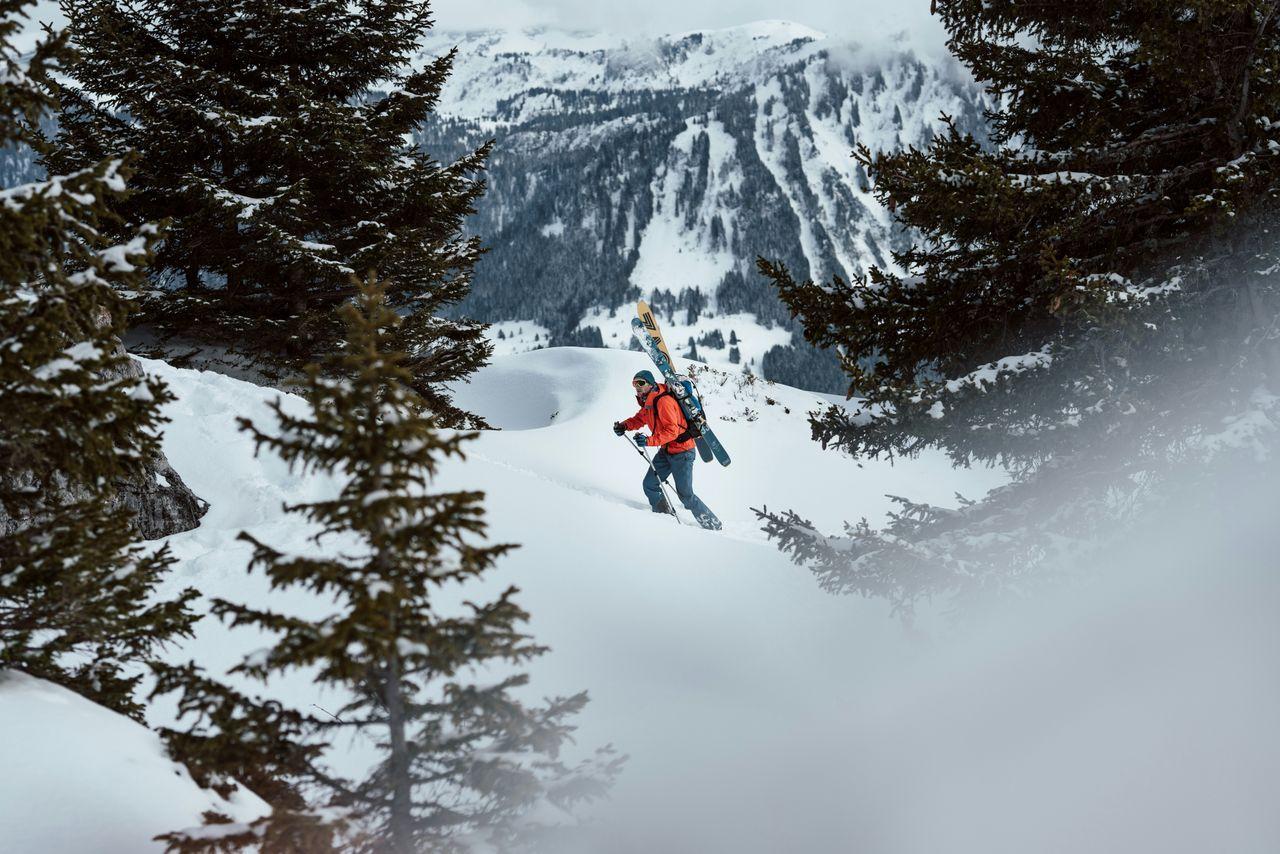
A final weather check a few days before departure can help you make sensible adjustments.
You may need extra warm layers for a particularly cold forecast or lighter clothing if conditions are expected to be mild. This can also help you decide whether you need additional waterproof gear.
Do not rely entirely on the weather forecast for a single day, though. Mountain conditions can change quickly, and temperatures can vary considerably between the resort village and higher parts of the ski area.
The safest approach is to pack for a range of conditions rather than one specific forecast.
Make a simple packing checklist
Once you have everything together, a checklist can help catch the easy-to-forget items.
Your main categories should include ski clothing, everyday clothing, footwear, protective gear, toiletries, medication, travel documents and electronic accessories.
You can also divide items into two groups: things you need on the slopes and things you need away from the slopes.
| On the slopes | Away from the slopes |
|---|---|
| Base, mid and outer layers | Evening clothes |
| Ski socks, gloves and helmet | Indoor shoes or slippers |
| Goggles, sunscreen and lip balm | Toiletries and medication |
| Equipment (owned or rental confirmation) | Travel documents and chargers |
This makes unpacking easier and helps ensure that essential equipment does not get buried beneath jumpers and evening clothes.
The perfect ski holiday packing list does not have to be enormous. It simply needs to cover the essentials without filling your suitcase with things you are unlikely to use.
Focus on warm layers, waterproof clothing, comfortable footwear, protection from the sun and cold, and any equipment you genuinely need. Check what is already included with your holiday before you travel, and leave yourself enough flexibility to adapt to changing mountain conditions.
With the right preparation, you can spend less time worrying about what you packed and more time enjoying the slopes.

Better Living may earn commissions through affiliate links and may occasionally feature sponsored or partner content. If you make a purchase through our links, we may receive a small commission at no cost to you.