
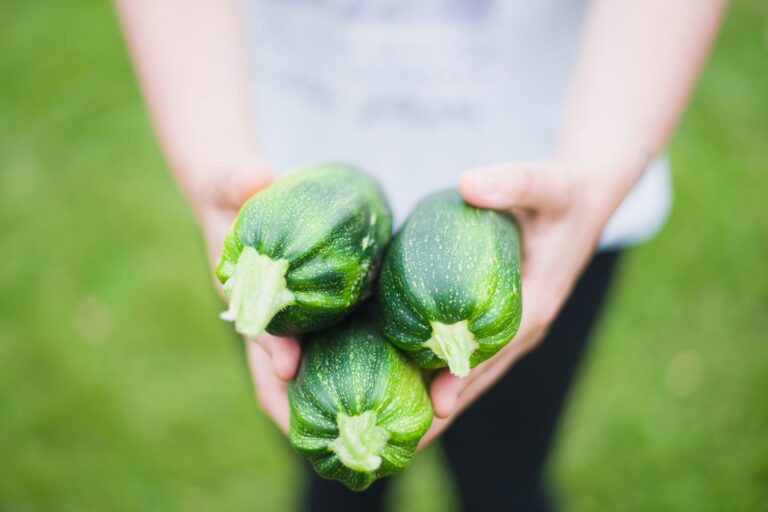
One healthy zucchini plant can produce more squash than a family can reasonably eat, and by midsummer, most gardeners aren’t short on zucchini recipes so much as they’re short on time before the next wave shows up. The good news is that zucchini is genuinely versatile, it freezes reasonably well if you do it correctly, and there’s a specific, well-documented reason a small number of zucchini turn out badly that has nothing to do with how long they’ve been sitting on the counter.
What can I do with too many zucchini?
The short answer: Eat some fresh (sautéed, grilled, spiralized into noodles, or shredded raw into salads), bake a batch into bread or muffins using the salt-and-drain trick to manage its high water content, and freeze the rest properly, sliced and water-blanched for cooking, or grated and steam-blanched for baking, rather than just tossing raw pieces in a bag. What you shouldn’t do is try to home-can plain zucchini; it’s a low-acid vegetable, and the USDA has withdrawn its old guidance for safely canning it plain at home. Separately, if any zucchini, yours or store-bought, tastes noticeably bitter, don’t cook around it. That bitterness is a sign of cucurbitacin, a naturally occurring compound that can build up to unsafe levels in squash, and cooking does not destroy it.
For general pantry and produce storage guidance, see the food storage guide, and browse Better Living’s full recipe collection for more ideas to build a zucchini dish around.
📋 Too Many Zucchini: At a Glance
| Eat fresh | Sauté, grill, spiralize into noodles, shred raw into salads or slaw |
| Bake with it | Bread, muffins, cake; salt and drain shredded zucchini first |
| Freeze for cooking | Slice, water blanch 3 minutes, cool, then freeze |
| Freeze for baking | Grate, steam blanch 1 to 2 minutes, cool, then freeze |
| Preserve another way | Pickle it (a tested, safe method); don’t home-can it plain |
| Share the surplus | Neighbors, a local food pantry, or a community fridge |
| Safety note | If it tastes bitter, spit it out; don’t try to cook around it |
Key Takeaways
- Zucchini is roughly 95 percent water, which is the reason it’s so easy to grow, so quick to cook, and so prone to turning soggy or mushy if you don’t account for that moisture.
- Freezing zucchini works, but only if you blanch it first; skipping that step is the single most common reason frozen zucchini turns watery and mushy after thawing.
- Plain zucchini is not safe to home-can without a tested recipe, since it’s a low-acid vegetable and the USDA withdrew its earlier canning guidance due to unreliable processing data.
- A rare but real condition called toxic squash syndrome can affect zucchini that develops unusually high levels of cucurbitacin, a natural plant compound; the telltale sign is an unmistakably bitter taste, and heat does not neutralize it.
- Giving away extra zucchini is a genuinely good option, but zucchini bread, muffins, or a jar of quick pickles travel and keep better as gifts than a bag of loose squash.
The Real Challenge With Zucchini: Managing All That Water
The Science: Why Zucchini Turns Soggy So Easily
Zucchini is roughly 95 percent water by weight, among the highest of any common vegetable, which explains almost everything about how it behaves in the kitchen. That high water content is why zucchini cooks so quickly and why raw zucchini noodles or salads have such a light, crisp texture fresh out of the garden. It’s also why zucchini is the one ingredient most likely to sabotage a baked good or a sauté if you don’t plan for it: shred it into a batter without accounting for that water, and the extra moisture can leave bread gummy or a stir-fry swimming in liquid instead of caramelizing. The standard fix, salting shredded or sliced zucchini and letting it sit in a colander for 10 to 15 minutes before squeezing or patting it dry, works by drawing some of that water out through osmosis before it ever hits the pan or the batter. It’s a small extra step, but it’s the difference between a zucchini bread with a tight, moist crumb and one that never quite sets in the middle.
10 Ways to Use Up Too Many Zucchini
The sections below go into more detail on the ones that need it, especially freezing, baking, and a couple of safety notes worth knowing before you start.
Baking With Zucchini
Zucchini bread and muffins remain the most popular way to work through a surplus, and for good reason: shredded zucchini disappears into a batter, adding moisture and a bit of nutrition without changing the flavor much. The trick, as covered above, is managing the water content. Salt the shredded zucchini, let it sit in a colander for 10 to 15 minutes, then squeeze it firmly in a clean kitchen towel or cheesecloth to remove as much liquid as possible before folding it into the batter. Skipping this step is the most common reason zucchini bread turns out dense or gummy in the middle rather than moist and tender.
How to Freeze Zucchini the Right Way
Blanching Isn’t Optional
According to the National Center for Home Food Preservation, zucchini intended for cooking should be sliced, then water blanched (submerged in boiling water) for 3 minutes before being cooled quickly in ice water, drained, and frozen. Zucchini intended for baking should instead be grated and steam blanched, held over boiling water rather than submerged, for 1 to 2 minutes until translucent, then cooled the same way. Blanching briefly stops the enzyme activity that would otherwise continue breaking the squash down in the freezer, leading to off flavors and a mushier texture over time. Skipping blanching entirely is possible but not recommended; unblanched zucchini tends to turn watery and limp faster than blanched zucchini does, and any liquid that collects in the bag or container after thawing should be drained off before using the zucchini in a recipe.
Should You Can Plain Zucchini?
No, Not on Its Own

This is worth knowing before reaching for a canner during a zucchini glut. Zucchini is a low-acid vegetable, and low-acid vegetables require pressure canning at a specific, tested time and temperature to safely destroy the bacteria that causes botulism. Older USDA guidance for canning plain summer squash has since been withdrawn because the documentation behind those processing times could no longer be verified, and no current research supports a safe home process for canning plain zucchini cubes or slices. That doesn’t rule out canning zucchini altogether: recipes that add enough acid, like a tested zucchini relish, pickled zucchini, or a zucchini-pineapple mixture with added lemon juice, can be safely water-bath canned because the added acidity does the job pressure would otherwise need to do. The rule of thumb is to only can zucchini using a specific, tested recipe from a source like the National Center for Home Food Preservation, never a plain, unseasoned batch.
The Rare but Real Risk: Toxic Squash Syndrome
If It Tastes Bitter, Stop
This is unrelated to how much zucchini you have, but it’s exactly the kind of thing worth knowing when you’re growing or handling a large volume of it. Zucchini, along with other squash, pumpkins, and cucumbers, can naturally produce cucurbitacins, intensely bitter compounds the plant uses to deter pests. Commercially bred varieties are selected to keep cucurbitacin levels low enough that they’re undetectable, but according to America’s Poison Centers, cross-pollination with wild or ornamental gourds, environmental stress like drought or extreme heat, or seed saved from a previous year’s plants can occasionally cause a garden zucchini to develop unusually high, unsafe levels. According to Oregon State University Extension, this risk is somewhat higher for volunteer plants that sprout on their own from dropped seed, since there’s no way to know what those plants cross-pollinated with. The telltale sign is an unmistakably bitter taste, distinct from zucchini’s normal mild flavor, and it’s present even though the squash looks and smells completely normal otherwise. Cucurbitacin is heat-stable, meaning cooking, baking, or boiling does not neutralize it, so the only reliable response is to taste a small bite of raw squash before using a batch, especially one from a home garden, and if it’s bitter, spit it out, throw away the rest of that squash, and don’t try to mask the taste in a recipe. Symptoms of cucurbitacin poisoning include stomach cramps, diarrhea, and vomiting, and while it’s rare, medical case reports of more serious reactions do exist, so it’s worth taking a bitter taste seriously rather than shrugging it off.
Tip: Give away something better than a bag of raw squash
Handing a neighbor three loose zucchini is a running joke for a reason, most people with a garden are already drowning in them too. A loaf of zucchini bread, a jar of quick pickles, or a container of soup travels better, keeps longer, and is a lot more likely to actually get eaten than another armful of raw squash. Roasted alongside peppers and onions the way it’s done in Roasted Italian Sausage, Peppers & Onions, sliced zucchini is also an easy add to a dish someone’s already planning to make for dinner.
Frequently Asked Questions
Cooking methods that use large volumes quickly, like sautéing sliced zucchini, spiralizing it into noodles, or blending it into soup, work faster than baking one loaf of bread at a time. For true bulk processing, shredding and freezing (properly blanched) lets you work through a large harvest in one afternoon and use it gradually over the following months.
It’s strongly recommended. Blanching stops enzyme activity that continues breaking down the squash in the freezer, which is the main reason unblanched frozen zucchini turns noticeably more watery and limp than blanched zucchini after thawing. It’s possible to skip it, but the texture and flavor of the results are meaningfully worse.
You can, but it’s not recommended. Unblanched zucchini continues to break down in the freezer, leading to a mushier texture, more liquid after thawing, and flavor that fades faster than properly blanched zucchini. If texture matters for how you plan to use it, blanching first makes a real difference.
Not plain, on its own; it’s a low-acid vegetable, and the USDA withdrew its earlier guidance for safely canning plain zucchini because the processing times couldn’t be verified as safe. Zucchini can be safely canned as part of a tested, acidified recipe, like pickles or a relish, where added vinegar or citrus provides the acidity a safe process requires.
This almost always comes down to unmanaged water content. Shredded zucchini releases a significant amount of liquid, and if it isn’t salted and drained before going into the batter, that extra moisture can prevent the middle of the loaf from fully setting. Salting the shreds, letting them sit 10 to 15 minutes, and squeezing them dry in a towel usually solves it.
It’s a rare but real form of food poisoning caused by eating squash, including zucchini, that has developed unusually high levels of cucurbitacins, naturally occurring bitter compounds. It’s more common in home-grown squash affected by cross-pollination with wild or ornamental gourds or significant environmental stress. The telltale sign is a distinctly bitter taste; if you taste it, spit it out and discard that squash.
No. Cucurbitacins are heat-stable, meaning boiling, baking, or frying a bitter-tasting squash does not neutralize the compound. If a squash tastes bitter raw, cooking it will not make it safe to eat, and it should be discarded rather than used in a recipe.
Whole, unwashed zucchini generally keeps for about one to two weeks in the refrigerator’s crisper drawer, stored loose or in a partially open plastic bag to prevent excess moisture buildup. Cut or sliced zucchini has a shorter window, generally best used within a few days.
Oversized zucchini tend to have tougher skin, larger seeds, and a drier, more fibrous interior, so they’re generally better suited to dishes where they’re shredded, stuffed, or cooked down rather than served in thin raw slices. Peeling, seeding, and shredding an overgrown zucchini works well for bread, muffins, or freezing, and stuffing a large hollowed-out zucchini makes good use of its size.
Yes, zucchini skin is thin, tender, and entirely edible, and it’s where a good portion of the vegetable’s fiber and nutrients are concentrated. There’s generally no need to peel zucchini unless it’s especially large and tough-skinned, or a recipe specifically calls for a smoother texture.
A single healthy zucchini plant commonly produces somewhere in the range of 6 to 10 pounds of squash over a growing season, and sometimes considerably more under good conditions. That volume, combined with how quickly zucchini matures, is exactly why gardeners so reliably end up with more than they can eat fresh.
Yes, and it’s an easy way to use part of the plant that usually goes to waste. The bright yellow-orange flowers are edible raw or cooked, most commonly stuffed with a soft cheese and lightly fried, or torn into a salad. Pick male blossoms (the ones on a thin stem, without a small fruit already forming behind them) if you want the plant to keep producing zucchini.
Yes, and it holds up well. A fully cooled loaf, wrapped tightly in plastic wrap and then foil or a freezer bag, keeps for a few months in the freezer. This is a good option if baking is your main strategy for a large harvest, since it lets you bake several loaves in one session and thaw them one at a time later.
Further Reading
- Food Storage Guide
- Better Living Recipes
- Fresh Basil Pesto
- Green Goddess Pasta Salad
- Greek Style Pork Loin
- Red Lentil Soup
- Roasted Italian Sausage, Peppers & Onions
- Portobello Mushroom Steaks

Better Living may earn commissions through affiliate links and may occasionally feature sponsored or partner content. If you make a purchase through our links, we may receive a small commission at no cost to you.