
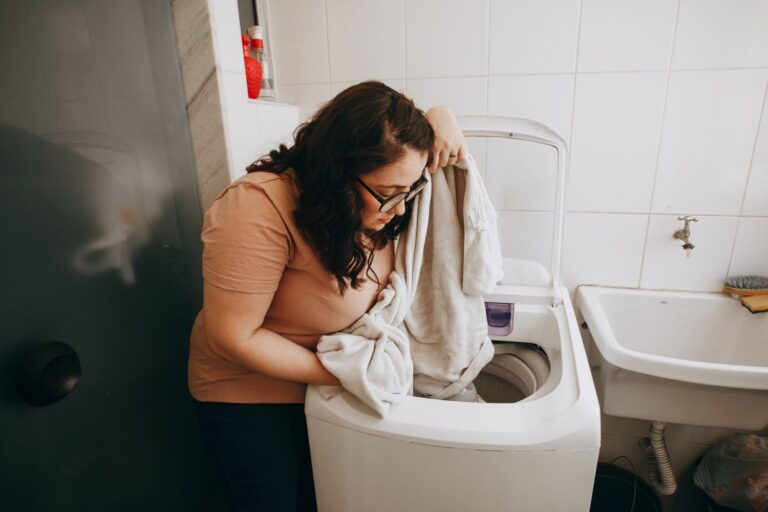
A towel comes out scratchy. A shirt still smells after washing. A stain survives the wash and then goes into the dryer. Before you add more detergent or run another cycle, check the routine. These eight laundry mistakes that ruin your clothes, or at least leave them dingy, stiff or stained, are small and easy to repeat. Here is what to change.
Eight laundry mistakes that ruin your clothes
1Using too much detergent
Tide Cleaners says too much detergent can leave residue on fabric and in the washer, which can contribute to stiffness, dull-looking colors, dingy whites and a musty washer smell. It adds that high-efficiency machines use less water and need less detergent, that soft water needs less and that hard water may need a little more. Stiff, scratchy towels are a common sign, and our guide on why towels smell after washing covers the fix.
Do this instead: use the amount recommended for your machine, load size and water conditions, and follow the measuring line on the bottle.
2Overloading the washer
Manufacturer Bosch explains that an overloaded drum makes laundry move as one mass, so water can’t circulate and detergent isn’t fully rinsed out. Packed clothes don’t rinse properly, which can leave residue behind. Capacity varies by machine, so check your manual.
Do this instead: leave room for clothes to tumble and split a big pile into two loads. That rule of thumb is our own advice.
3Putting a stained garment in the dryer
Iowa State University Extension’s AnswerLine laundry stain tips say that if a stain is still evident after washing, you shouldn’t dry the garment, because the heat of drying makes the stain more permanent. The same page says fresh stains are easier to remove than ones more than 24 hours old, that you should blot rather than rub and that you shouldn’t iron stained fabric. Test any stain remover on a hidden seam first. For a specific stain, try our guide to sweat stains.
Do this instead: check the garment in good light after washing, and air-dry it until the stain is gone.
4Ignoring the care label
Under the Federal Trade Commission’s Care Labeling Rule, most clothing it covers must carry care instructions that stay attached and legible for the garment’s useful life, and the label must include a warning, such as “wash separately” or “do not bleach,” when a normal wash could harm the item or other clothes. The rule has exclusions and exemptions, so not every item will have one. The Cleaning Institute’s fabric care symbol guide explains the symbols: more dots mean more heat, bars beneath the wash symbol indicate permanent-press or gentle and delicate settings, and a crossed-out symbol means the treatment is not allowed.
Do this instead: check the label before you wash anything new, especially wool, silk, delicates and dark items that might bleed.
5Choosing the wrong water temperature
“Always wash in cold” is not a rule, and neither is “always hot.” A 2016 technical brief from the Sustainability Consortium’s Cold Water Wash Initiative, hosted by the American Cleaning Institute, says modern detergents work well at lower temperatures and that cold washing is linked to better color retention and less shrinkage. It also says warmer water helps detergents clean tough stains and heavily soiled items, and that laundry exposed to illness or bodily fluids calls for higher temperatures. Iowa State’s guide adds a caution: avoid hot water on stains of unknown origin, and on protein stains such as blood, milk and egg, since heat can set them.
Do this instead: match the temperature to the fabric, the stain and the detergent directions. Use warmer water for heavily soiled items only when the care label allows it.
6Leaving wet clothes sitting
The CDC says mold grows where there is moisture and notes that it can grow on fabric. A load left in the washer won’t automatically grow mold, but damp laundry that sits too long can develop musty odors and, under suitable conditions, mold growth. The CDC doesn’t give a safe number of hours, so we’d simply avoid leaving a load to sit. If the odor lingers, our guide on washing machine mold covers what to check.
Do this instead: move wet laundry promptly to the dryer or a drying rack, and dry gym clothes and towels fully before they go in the hamper.
7Skipping the lint filter and dryer vent
The U.S. Fire Administration’s clothes dryer fire safety guidance says to clean the lint filter before and after every cycle, clear lint from the back of the dryer, check that the vent isn’t damaged, crushed or blocked and make sure the outdoor vent cover opens when the dryer runs. It warns that the risk is higher when the filter and vents aren’t cleaned. A blocked vent can restrict airflow and make clothes take longer to dry.
Do this instead: if a normal cycle repeatedly leaves laundry damp, check the lint filter and vent before running another cycle. That check is our practical suggestion, not a diagnosis.
8Mixing chlorine bleach with other cleaners
This is a chemical-safety mistake, not just a fabric one. The CDC’s bleach safety guidance says never to mix bleach with ammonia or any other cleaner, and to ventilate the area. Our guide on what never to clean with vinegar explains why vinegar and chlorine bleach should never meet. For laundry, follow the bleach label and your washer manual: products labeled for use with laundry detergent can be used as directed, but never premix concentrated products. If a garment says “only non-chlorine bleach,” choose an appropriate non-chlorine product and follow its instructions.

Do this instead: keep chlorine bleach separate from every other cleaning product.
Quick fix list:
- Measure detergent for the load.
- Fill the drum loosely.
- Check stains after washing, before drying.
- Read the care label before the first wash.
- Match water temperature to the fabric and stain.
- Take wet laundry out promptly.
- Clean the lint filter every load and check the vent.
- Follow bleach directions exactly. Never combine chlorine bleach with vinegar, ammonia or other household cleaners.
Laundry questions, answered
How often should you wash your clothes?
Utah State University Extension suggests washing tights, leggings, exercise clothing, T-shirts, socks and underwear after every wear, jeans, slacks and dresses every three to four wears, bath towels every three to four uses, hand and dish towels every two days, and sheets, pillowcases and bath mats weekly. See the USU guidance for the full list. These are general intervals, not a reason to keep wearing something that is visibly dirty or sweaty.
Is it bad to wash clothes in hot water?
Not always. Hot water can set some stains, such as protein stains, so check the stain first. It can also be the right choice for heavily soiled items when the care label allows it. Cold is a good default for many everyday loads.
Can you fix clothes that already feel stiff or smell musty?
Often, yes. If you suspect detergent buildup, run the item through another rinse with no detergent and use less next time. If it smells musty, check your drying conditions, detergent buildup and the washer itself. Odor alone does not confirm mildew.
The bottom line
Clothes stay cleaner and last longer when you slow down at four points: before the wash (the label), during it (load size, detergent and temperature), between washing and drying (stains) and after it (wet laundry and the dryer vent). Keep chlorine bleach away from other cleaners.

Better Living may earn commissions through affiliate links and may occasionally feature sponsored or partner content. If you make a purchase through our links, we may receive a small commission at no cost to you.