
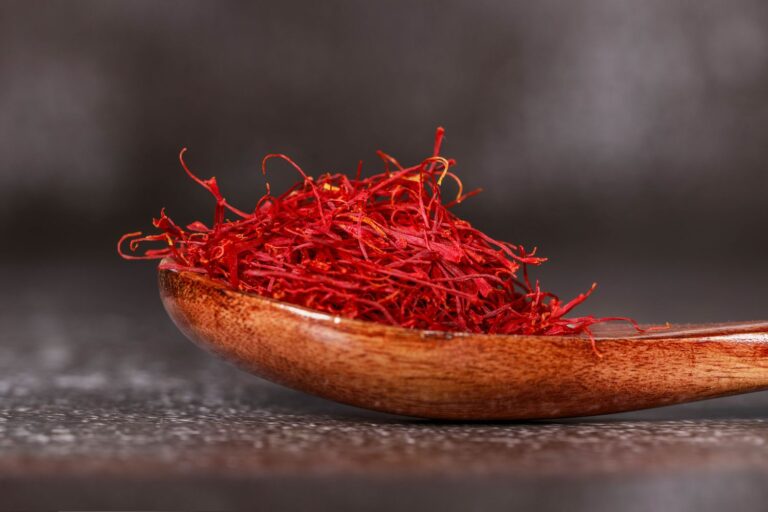
Saffron is sold by the gram for a reason: it is the most expensive spice in the world, hand-harvested one stigma at a time from the crocus flower. That price tag makes people understandably protective of every last thread, which is why “does saffron go bad” is such a common question. The honest answer involves two separate issues, and only one of them is really about spoilage.
Does saffron go bad?
The short answer: Saffron does not spoil the way perishable food does, since it is extremely low in moisture and fat, but it does gradually lose the color, aroma, and flavor that make it worth buying in the first place. Whole threads generally hold their quality for 2 to 3 years, and ground saffron for closer to 6 to 12 months, with light, heat, and moisture as the main things that speed up that decline. A separate and arguably bigger issue with saffron has nothing to do with freshness: a substantial share of the saffron sold worldwide is adulterated or outright fake, and that is worth knowing before you worry about how long a jar has been sitting in the pantry.
For general spice storage principles, see the guide to whether spices go bad. Because no separate refrigeration guide exists yet for saffron specifically, this post covers both storage and the fraud issue in full below.
📋 Does Saffron Go Bad: At a Glance
| Saffron threads, pantry | Roughly 2 to 3 years, some sources report up to 4 |
| Ground saffron (powder), pantry | Roughly 6 to 12 months |
| Refrigerator | Not generally recommended; condensation risk |
| Freezer | Not generally recommended for the same reason |
| What actually happens over time | Gradual loss of color, aroma, and flavor, not bacterial spoilage |
| Signs of real spoilage | Mold, clumping from moisture, musty smell |
| Best storage method | Airtight, opaque container, cool and dark, away from steam |
| Separate risk to know about | Widespread adulteration; a meaningful share of commercial saffron is fake or diluted |
Key Takeaways
- Saffron threads do not really “spoil” in a food-safety sense; they slowly lose the color, aroma, and flavor compounds that justify the price.
- Whole threads hold their quality far longer than ground saffron, since grinding exposes far more surface area to air, light, and moisture at once.
- Light and heat are the two biggest threats to saffron’s color (crocin) and aroma (safranal), and peer-reviewed kinetic studies show real, measurable losses within months at elevated storage temperatures.
- Refrigerating or freezing saffron is generally discouraged, since the temperature swings and condensation involved do more damage than they prevent.
- Saffron is one of the most adulterated foods in the world. Independent studies have found meaningful shares of commercial saffron cut with cheaper plant material or synthetic dye, and this has nothing to do with how it was stored.
- A simple water test can help confirm you have real saffron before you ever worry about its shelf life.
- Culinary amounts of saffron are far below any safety concern, but concentrated saffron supplements carry real dosage limits, and pregnancy is a specific reason to avoid saffron supplementation altogether.
Why Saffron “Goes Bad”: The Chemistry of Crocin, Safranal, and Picrocrocin
The Science: Three Compounds, Three Kinds of Decline
Saffron’s value comes down to three natural compounds packed into its dried stigmas: crocin, a carotenoid pigment responsible for the deep red-gold color; safranal, a volatile oil responsible for the aroma; and picrocrocin, the compound behind saffron’s distinctive bitterness. None of these are fats, which is why saffron does not go rancid the way an oily seed or nut does. Instead, each compound degrades through its own separate pathway. Crocin degradation has been studied in detail in peer-reviewed food chemistry research and follows first-order reaction kinetics that speed up sharply with both temperature and moisture, since water acts as a plasticizer that lets the pigment molecules move and react more freely. In one frequently cited study, saffron stored at 40°C lost an average of 13 percent of its crocin content after three months and 26 percent after six, while cooler, drier storage slowed that decline considerably. Safranal behaves differently: it is a volatile compound that simply evaporates whenever the container is opened, which is why saffron loses its characteristic aroma gradually with repeated use even under otherwise good storage conditions. Light accelerates crocin loss specifically, acting as what researchers describe as a catalyst for the degradation reaction, which is the main reason every serious storage guide insists on an opaque container.
Threads vs Ground Saffron: Why Form Matters
Whole saffron threads (sometimes called filaments) are far more resistant to quality loss than ground saffron, for the same basic reason whole spices generally outlast their ground counterparts: an intact thread has much less surface area exposed to oxygen, light, and moisture than the same amount of spice broken down into powder. Whole threads typically hold good color, aroma, and flavor for around 2 to 3 years in proper storage, and some higher-quality, well-handled saffron is reported to last longer. Ground saffron, by contrast, is usually good for only about 6 to 12 months, since grinding ruptures the plant cells and exposes crocin and safranal directly to the air. Ground saffron is also considerably easier to adulterate undetected than threads, which is one more reason experienced cooks tend to buy whole threads and crush a pinch by hand right before using it rather than buying pre-ground powder.
How to Store Saffron to Protect Its Quality
Container and location
An airtight, opaque container is the single most important factor: glass or metal both work well, as long as light cannot reach the threads. Store it in a cool, dark cabinet away from the stove, oven, or dishwasher, since both heat and the steam from cooking can introduce moisture and accelerate degradation. Buying saffron in a quantity you will realistically use within a year or two, rather than a large jar that sits mostly untouched, keeps more of it at peak quality for longer.
Why the refrigerator usually isn’t the answer
Unlike many spices, saffron is not generally improved by refrigeration or freezing. Moving saffron in and out of a cold environment repeatedly introduces condensation, and that moisture is exactly what accelerates crocin breakdown and encourages mold. If your home runs unusually hot and humid and refrigeration seems necessary, keep the container sealed and let it return fully to room temperature before opening it, to avoid condensation forming directly on the threads.
Signs of Genuine Spoilage
True spoilage in saffron is uncommon but not impossible. Watch for visible mold, which shows up as white or greenish fuzz and means the batch should be discarded immediately, along with clumping or stickiness that signals moisture has gotten into the container. A musty smell, as opposed to saffron’s normal earthy, honeyed aroma, is another red flag. Short of these signs, saffron that has simply faded in color or lost some aroma is not unsafe; it has just lost potency, and you may need to use a slightly larger pinch to get the same effect.
The Bigger Risk With Saffron Isn’t Freshness. It’s Fraud
Saffron Is One of the Most Adulterated Foods in the World
This has nothing to do with storage, but it belongs in any honest guide to saffron because it matters more than shelf life for most buyers. A systematic review published in Critical Reviews in Food Science and Nutrition synthesized 23 studies on saffron fraud and found that roughly 20 to 30 percent of commercial saffron is adulterated globally, with sharp regional differences, from about 3.5 percent in tightly regulated EU markets up to 60 percent in some other markets. Common fraud methods include bulking saffron out with safflower, marigold petals, or turmeric, and in more serious cases, dyeing unrelated plant material such as corn silk or paper strips to resemble saffron threads entirely. Some of the synthetic dyes used, including certain Sudan dyes, are considered health hazards in their own right, not just an authenticity problem. A separate peer-reviewed study analyzing market samples found that adulteration percentage correlated directly with lower measured levels of crocin, picrocrocin, and safranal, meaning fake or diluted saffron performs worse in cooking in exactly the ways you would expect, on top of not being the real thing.

Tip: The water test
A simple, low-tech check can help confirm authenticity before you even get to questions of shelf life. Drop a few threads into a small cup of warm (not hot) water. Genuine saffron releases its color slowly, over roughly 10 to 15 minutes, and the water turns golden-yellow rather than red, since crocin itself is yellow and dissolves gradually. If the threads bleed deep red color instantly or dissolve completely, that is a strong sign of dye or a fully synthetic substitute rather than real saffron. This is not a perfect lab-grade test, but it catches the crudest and most common forms of fraud, and it costs nothing.
How Much Saffron Is Too Much? A Note on Dosage and Pregnancy
This Applies to Supplements and Extracts, Not Cooking
This is unrelated to storage, but it belongs in a complete guide since saffron is increasingly sold as a concentrated supplement or extract, not just a cooking spice. According to a clinically reviewed pharmacological reference, saffron intakes of up to about 1.5 grams per day are generally considered safe, while toxic effects including nausea, vomiting, and in more severe cases bleeding and low platelet counts have been reported at doses of around 5 grams. A lethal dose is estimated at roughly 20 grams, and doses above 10 grams have historically been used to induce abortion, with deaths reported from that use. None of this is remotely close to normal cooking, where a generous recipe might use a fraction of a gram, but it is relevant for anyone taking concentrated saffron capsules or extract rather than using threads in food. The same reference advises avoiding saffron supplementation during pregnancy specifically because amounts above typical food use can stimulate uterine contractions, and separately notes a documented case of saffron supplements enhancing the effect of the blood thinner rivaroxaban. Saffron also has a smaller but real history of occupational and food allergy, including rare anaphylaxis, with some cross-reactivity to grass and olive pollens. None of this should worry anyone using a pinch of saffron in rice or a broth; it is worth knowing only if you or someone in your household is considering saffron in concentrated capsule or extract form.
| Form | Pantry (cool, dark, airtight) | Notes |
|---|---|---|
| Whole threads, unopened | 2 to 3 years, up to 4 per some sources | Best form for retaining quality |
| Whole threads, opened | 1 to 2 years for peak flavor | Reseal tightly after every use |
| Ground saffron, unopened or opened | 6 to 12 months | Also more prone to adulteration |
| Refrigerator or freezer | Not recommended | Condensation risk outweighs benefit |
Frequently Asked Questions
Not in the way perishable foods do. Saffron is very low in moisture and contains no meaningful fat, so it does not rot or grow bacteria under normal dry storage. What actually happens is a slow loss of color, aroma, and flavor, driven mainly by light, heat, and moisture exposure over time.
Whole threads generally hold good quality for about 2 to 3 years, sometimes longer with excellent storage. Ground saffron loses its potency faster, typically within 6 to 12 months, since grinding exposes much more surface area to air and light.
No, and refrigeration is generally discouraged. Moving saffron between a cold fridge and a warm kitchen introduces condensation, and that moisture accelerates the exact degradation process you are trying to prevent. A cool, dark cabinet works better than the refrigerator for most homes.
It is not generally recommended, for the same condensation reasons that make refrigeration a poor choice. If you must freeze a large supply, keep it in a fully airtight, moisture-proof container and let it return completely to room temperature, still sealed, before opening it.
Look for visible mold, clumping or stickiness from moisture, or a musty smell rather than saffron’s normal earthy, honeyed aroma. Any of these mean the batch should be discarded. Faded color or weaker aroma without those signs just means the saffron has lost potency, not that it is unsafe.
Generally yes, as long as it shows none of the mold, clumping, or musty-smell signs of real spoilage. A best-by date on saffron is a quality marker, not a safety cutoff, so older saffron that still smells and tastes like saffron is fine to use, just possibly weaker than fresh.
Grinding breaks open the plant cells and dramatically increases the surface area exposed to oxygen, light, and moisture. Whole threads keep crocin and safranal more physically protected until the moment they are crushed or steeped, which is why many cooks buy threads and grind only what they need.
More common than most buyers expect. A systematic review of 23 studies found that roughly 20 to 30 percent of commercial saffron worldwide is adulterated in some way, with rates as low as about 3.5 percent in tightly regulated EU markets and as high as 60 percent in some other markets. Common tactics include bulking real saffron with cheaper plant material or substituting dyed look-alikes entirely.
A simple water test catches the most common fakes: drop a few threads into warm water and watch how the color releases. Genuine saffron colors the water gradually over 10 to 15 minutes and produces a golden-yellow, not red, color. Instant, deep red bleeding is a strong sign of dye rather than real saffron. Buying from a reputable source and looking for whole, intact threads rather than powder also reduces the risk.
Yes. Peer-reviewed research on crocin, saffron’s color compound, describes light as acting like a catalyst that speeds up its breakdown, separate from the effects of heat and moisture. This is why every reputable storage guide insists on an opaque container instead of a clear glass jar, however attractive the deep red threads look on a shelf.
Yes, and smell is one of the most reliable freshness checks. Fresh saffron has a distinctive earthy, honeyed, floral aroma. As it ages, that aroma weakens rather than turning unpleasant, since safranal simply evaporates over time. A musty or sour smell, rather than just a fainter one, is the sign of genuine spoilage rather than normal aging.
For ordinary cooking, there is no realistic risk: a typical recipe uses a fraction of a gram. Clinical safety references put roughly 1.5 grams per day as a general safe ceiling, with toxic effects reported around 5 grams and a lethal dose estimated near 20 grams. This only becomes relevant for people taking concentrated saffron supplements or extracts, not home cooks using threads.
Normal food amounts are generally considered fine, but clinical references specifically advise avoiding saffron supplementation during pregnancy, since amounts above typical culinary use have been shown to stimulate uterine contractions. Anyone pregnant and considering a saffron supplement or extract, as opposed to a pinch in cooking, should talk to a healthcare provider first.
Further Reading
- Do Spices Go Bad?
- Does Matcha Go Bad?
- Does Nutritional Yeast Go Bad?
- Do Bonito Flakes Go Bad?
- Does Psyllium Husk Go Bad?
- Does Kimchi Go Bad?
- Does Chocolate Go Bad?
- Does Rice Vinegar Go Bad?
- Does Chili Crisp Go Bad?
- Does Goat Cheese Go Bad?
- Do Sardines Go Bad?
- Do Chia Seeds Go Bad?
- Do Flaxseeds Go Bad?
- Food Storage Guide
- Calm Your Anxiety at Night
- Healthy Sleep Routine
- Green Superfoods
- Immune Boosting Foods
- Iron-Rich Foods
- Iron Benefits
- Health Benefits of Iron
- Multivitamin Benefits
- Vitamin D Foods
- Bone Health
- Digestive Enzymes Benefits
- How to Improve Gut Health
- How to Improve Digestion
- Top Prebiotic Foods
- The Top 20 Probiotic Foods
- Magnesium Deficiency
Once you know your saffron is genuine and properly stored, a little goes a long way. Steep a pinch in warm liquid before adding it to rice, paella, or a broth so the color and aroma distribute evenly rather than staying locked in a few threads. If you are drawn to saffron for reasons beyond the kitchen, such as its clinically studied effects on mood, it is worth reading up on natural ways to calm anxiety, since saffron is one of the more researched food-based compounds in that space, alongside its smaller but real contribution to dietary iron and general immune-supportive foods. And if your pantry is turning into a small museum of specialty spices, the guides to matcha and nutritional yeast cover two other high-value ingredients with their own particular storage quirks.

Better Living may earn commissions through affiliate links and may occasionally feature sponsored or partner content. If you make a purchase through our links, we may receive a small commission at no cost to you.