
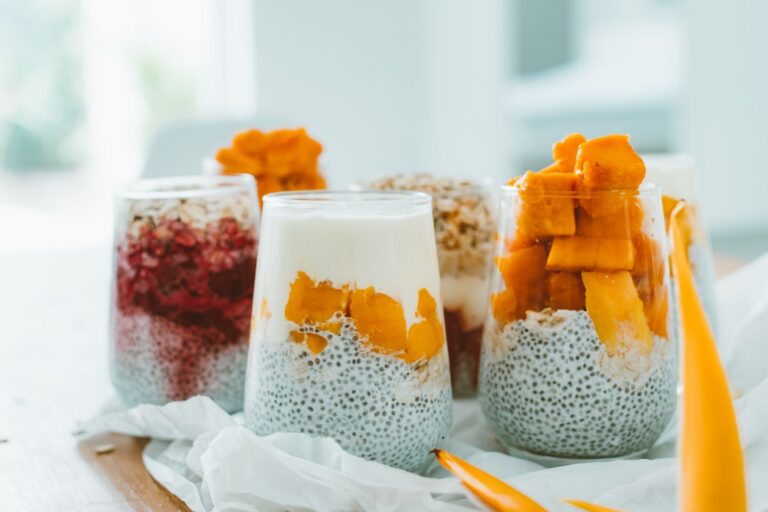
Chia seeds have a reputation for lasting forever, and compared to most seeds, they genuinely do hold up for an unusually long time. But “lasts a long time” is not the same as “never goes bad,” and the same tiny seeds that swell up so dramatically in a glass of water or a bowl of pudding come with a couple of real, worth-knowing risks that have nothing to do with rancidity at all.
Do chia seeds go bad?
The short answer: Yes, chia seeds go bad, but they do it far more slowly than most seeds and nuts thanks to a naturally high antioxidant content that protects their oil from oxidation. University extension guidance puts a typical shelf life at around 18 months in a cool, dark pantry, while some processors report 2 to 5 years under ideal conditions; both can be accurate depending on quality and storage. Rancid chia smells oily or stale and tastes bitter. Separately, dry chia seeds carry a documented choking and esophageal blockage risk if eaten without enough liquid, which is unrelated to freshness and worth knowing regardless of how new the bag is.
For general guidance on storing pantry staples, see the food storage guide. Because no separate refrigeration guide exists yet for chia seeds specifically, this post covers both shelf life and refrigeration guidance in full below.
📋 Do Chia Seeds Go Bad: At a Glance
| Chia seeds, pantry | Roughly 18 months per university extension guidance (some processors claim 2 to 5 years) |
| Chia seeds, refrigerated | Extends shelf life further, especially in warm or humid homes |
| Chia seeds, frozen | The longest-lasting option; slows oxidation the most |
| Ground chia (chia flour) | Weeks to a few months; spoils faster than whole seed |
| Soaked chia or chia pudding | Treat as perishable: refrigerate, use within about 5 days |
| Signs of spoilage | Bitter or oily taste, stale or paint-like smell, clumping |
| Best storage method | Airtight, opaque container in a cool, dark place |
| Separate risks to know about | Never eat dry chia without liquid (choking hazard); sprouted chia powder was tied to a real 2014 Salmonella outbreak |
Key Takeaways
- Chia seeds last unusually long for a seed rich in oil, largely because they contain natural antioxidants that slow down oxidation from the inside.
- Published shelf life figures vary quite a bit between sources, from about 18 months to several years, which mostly reflects differences in seed quality and storage rather than one seed being “wrong.”
- Unlike flaxseed, chia does not need to be ground to be digested, since the seeds soften and become digestible once they absorb liquid.
- Rancid chia is unpleasant rather than acutely dangerous in small amounts, but it has lost much of the omega-3 content that makes chia worth eating.
- Dry chia seeds can absorb dozens of times their weight in water and have caused documented cases of esophageal blockage when swallowed without enough liquid. This has nothing to do with spoilage.
- Sprouted chia seed powder, a different product from plain dry chia seeds, was the confirmed source of a real, CDC-documented multistate Salmonella outbreak in 2014.
- Chia seed allergy is uncommon but real, and it shows meaningful cross-reactivity with sesame seed allergy in particular.
Why Chia Seeds Last So Long: The Science of Natural Antioxidants
The Science: Antioxidants Do the Work a Hard Hull Does in Other Seeds
Chia seed oil is dominated by alpha-linolenic acid (ALA), the same polyunsaturated omega-3 fat that makes flaxseed so nutritious and so prone to rancidity. On paper, that should make chia spoil just as quickly, since polyunsaturated fats are chemically unstable in the presence of oxygen, light, and heat. In practice, chia holds up much longer, and peer-reviewed food science research has traced the reason to the seed’s own chemistry rather than its structure: chia is unusually rich in natural phenolic antioxidants, including chlorogenic acid, caffeic acid, myricetin, quercetin, and kaempferol. These compounds interrupt the chain reaction of lipid oxidation before it can progress very far, acting as a built-in preservative system. This matters because, unlike flaxseed, chia does not rely on a hard outer hull to physically block oxygen from reaching the oil, which is also why chia seeds do not need to be ground to be digested: they soften and become bioavailable once they absorb liquid, hull and all. Light and heat still degrade this antioxidant protection over time, which is why storage conditions still matter even for a naturally stable seed.
To put a number on the underlying nutrition: peer-reviewed compositional analysis of chia seed puts it at roughly 25 grams of protein, 30 grams of oil, and 37 grams of total dietary fiber per 100 grams, with alpha-linolenic acid making up the majority of that oil. Rancidity does not make chia dangerous in small amounts, but it does break down exactly the fats and antioxidant compounds that make chia worth keeping around in the first place.
How to Store Chia Seeds to Make Them Last
Pantry storage
An airtight, opaque container in a cool, dark cupboard or pantry is sufficient for most households, and chia seeds genuinely do not require refrigeration the way some other high-oil seeds do. N.C. Cooperative Extension places typical pantry shelf life at around 18 months, though quality and freshness at the time of purchase make a real difference, and some manufacturers report considerably longer windows for seed that was well-handled from harvest onward.
Refrigerator and freezer storage
Refrigeration is worth doing if your kitchen runs warm or humid, since heat and moisture are what erode chia’s natural antioxidant protection fastest. Freezing goes a step further and is the most effective way to preserve chia’s oil quality over the long term, particularly for anyone buying it in bulk. Store frozen chia in an airtight, opaque container or bag; it will not freeze into a solid block and can be scooped and used directly from the freezer.
Tip: Chia doesn’t need grinding, so buy what you’ll actually use
Because whole chia seeds soften in liquid rather than needing to be ground like flaxseed, there is less reason to buy chia flour or pre-ground chia unless a recipe specifically calls for it. Ground chia loses its oxidation resistance faster than whole seed, so if you do buy it ground, treat it more like flax meal and use it within a few months, ideally refrigerated. A tablespoon of whole chia mixed with three tablespoons of water makes a reliable egg substitute in baking; see this guide to egg substitutes for cooking and baking for how that swap works alongside other options like flaxseed, which is covered in the companion guide to whether flaxseed goes bad.
How to Tell If Chia Seeds Have Gone Bad
Signs of Rancid Chia Seeds
Chia seeds do not show much visually even when they have started to turn, so smell and taste are the most reliable checks. Fresh chia has a mild, faintly nutty or neutral scent. Rancid chia smells oily, stale, or faintly like paint, and tastes bitter rather than its usual mild flavor. Clumping or a sticky texture in a bag that should be free-flowing can also indicate that moisture has gotten in, which raises the risk of mold rather than just rancidity; if you see visible mold, discard the whole container. A best-by date on chia is a quality marker rather than a safety cutoff, so seed that is past its date but shows none of these signs is generally still fine to use.
The Real Risk With Chia Seeds Has Nothing to Do With Spoilage
Sprouted Chia Powder Has Been Linked to a Real Salmonella Outbreak
Plain dry chia seeds are low enough in moisture that bacteria generally cannot grow in them, which is part of why rancidity, not bacterial spoilage, is the main concern covered throughout this guide. Sprouted chia seed powder is a different product, made by deliberately germinating chia seeds before drying and grinding them, and that added moisture during sprouting is exactly the condition bacteria need to multiply. The CDC documented a multistate Salmonella outbreak in 2014 tied to organic sprouted chia seed powder, part of a larger international investigation that identified 94 illnesses across 16 U.S. states and four Canadian provinces, with about 21 percent of those affected hospitalized. Several brands were recalled as a result. This is not a reason to avoid ordinary dry chia seeds, but it is a good reason to be more cautious specifically with sprouted chia powder products and to follow any active recall notices rather than assuming a long shelf life means a product is automatically safe.

Never Eat Dry Chia Seeds Without Liquid
This is the single most important thing to know about chia seeds, and it is completely separate from freshness. Chia seeds can absorb dozens of times their own weight in water, forming a thick gel almost immediately on contact with liquid, including saliva. The American College of Gastroenterology has documented a case in which a patient swallowed a spoonful of dry chia seeds followed by a glass of water and developed a complete esophageal blockage that required specialized endoscopic tools to clear, since the seeds expanded inside the esophagus itself rather than in the stomach. The organization’s guidance is direct: chia seeds should only be consumed after they have had time to fully expand in liquid, such as in a smoothie, yogurt, or soaked pudding, and never spooned dry into the mouth and washed down with a drink. Anyone with a history of swallowing difficulty or esophageal narrowing should be especially cautious, and anyone who develops trouble swallowing, including their own saliva, after eating chia should seek medical care promptly.
Chia Seed Allergy: Uncommon, but Cross-Reactive With Sesame
A Real, if Rare, Allergy Worth Knowing About
Chia seed allergy was barely documented in medical literature until fairly recently, but case reports have grown alongside chia’s popularity as a health food. A case series presented at the American Academy of Allergy, Asthma & Immunology’s annual meeting, and covered in detail by Healio, identified seven patients with confirmed hypersensitivity reactions to chia seeds, two of whom required epinephrine for anaphylaxis. Six of the seven also showed sensitization to sesame, pointing to a real, if not yet fully understood, cross-reactivity between the two seeds. This is unrelated to how fresh or rancid the seeds are; it is a property of the proteins in chia itself. Anyone with a known sesame allergy who has not previously eaten chia may want to introduce it cautiously and be alert for hives, swelling, or breathing difficulty.
Chia Seeds vs Flaxseed: A Quick Storage Comparison
Both are small, oil-rich seeds prized for omega-3 content, and both eventually go rancid through the same basic oxidation process, but their shelf lives diverge quite a bit in practice. Whole flaxseed relies mainly on its hard hull for protection and needs to be ground to be digestible, which is exactly the step that starts its clock on spoilage; the full breakdown is in the guide to whether flaxseed goes bad. Chia, by contrast, is protected chemically by its own antioxidants and never needs grinding at all, which is the main reason it tends to outlast flaxseed on the shelf even though the two seeds share a similar fat profile.
| Form | Pantry | Refrigerator | Freezer |
|---|---|---|---|
| Whole chia seeds, unopened | Around 18 months per extension guidance (some brands claim 2 to 5 years) | Longer than pantry, especially in warm climates | Longest option; best for bulk purchases |
| Whole chia seeds, opened | Several months to about a year, sources vary | 1 to 2 years or more | 2 years or more |
| Ground chia (chia flour) | Weeks to a couple of months | A few months | Several months |
| Soaked chia or chia pudding | Not recommended | About 5 days | Not typically recommended (texture suffers) |
Frequently Asked Questions
Yes, chia seeds eventually go bad through rancidity, the same oxidation of oil that affects other seeds, but they resist it for much longer thanks to their high natural antioxidant content. Expect roughly 18 months as a realistic pantry baseline, with some well-processed seed lasting considerably longer.
Not strictly. Chia seeds are stable enough to keep in a cool, dark pantry, but refrigerating or freezing them extends their quality further, especially in a warm or humid kitchen. This is more of a “nice to have” than a requirement, unlike some other high-oil seeds.
Smell and taste are the most reliable signs. Fresh chia is mild and faintly nutty; rancid chia smells oily or stale and tastes bitter. Clumping, stickiness, or visible mold are also signs to discard the batch.
Usually yes. The best-by date reflects peak quality rather than a hard safety cutoff, so chia past its date is generally fine as long as it does not show the smell, taste, or texture signs of rancidity described above.
Yes, and freezing is the most effective way to slow the oxidation that eventually leads to rancidity. Frozen chia can be scooped and used directly since the seeds do not freeze into a solid mass.
Chia seeds contain unusually high levels of natural antioxidant compounds, including chlorogenic acid, caffeic acid, and several flavonoids, which slow down the oxidation of their omega-3 oil far more effectively than most seeds manage on their own.
It can be, if they are swallowed without enough liquid to let them expand first. Dry chia seeds can absorb dozens of times their weight in water and have caused documented cases of complete esophageal blockage. Always let chia expand in liquid, such as in a smoothie or soaked pudding, before eating it, and seek medical care if you have trouble swallowing after eating chia.
No, and this is a real difference from flaxseed. Chia seeds soften and become digestible once they absorb liquid, so whole chia eaten in a smoothie, yogurt, or soaked pudding delivers its fiber and omega-3 content without needing to be ground first.
It is uncommon but real, with documented cases including anaphylaxis, and it shows notable cross-reactivity with sesame seed allergy in particular. This has nothing to do with how the seeds were stored. Anyone with a known sesame allergy trying chia for the first time may want to do so cautiously.
Once chia seeds are soaked in liquid, they become a perishable food rather than a shelf-stable one. Refrigerate soaked chia or chia pudding and use it within about 5 days, and always refrigerate it promptly rather than leaving it at room temperature for extended periods.
Yes. Grinding exposes more of the oil-rich interior to oxygen, so ground chia loses its natural oxidation resistance faster than whole seed. Treat chia flour similarly to flax meal: buy small amounts, refrigerate it, and use it within a few months.
Not usually. Both are prone to the same basic oxidation, but chia’s natural antioxidant content tends to give it a longer practical shelf life than flaxseed, especially compared to ground flaxseed, which has no hull left to protect it once milled. See the guide to whether flaxseed goes bad for the full comparison.
Possibly. Clinical references note that chia should be used cautiously alongside anticoagulants like warfarin or antiplatelet drugs such as aspirin, based on case reports of increased bleeding risk, and chia’s fiber can also slow the absorption of some medications if taken at the same time. This is unrelated to storage or freshness. Anyone on blood thinners or managing a chronic condition with medication should mention regular chia consumption to their doctor or pharmacist.
Further Reading
- Food Storage Guide
- Do Flaxseeds Go Bad?
- Does Psyllium Husk Go Bad?
- Do Spices Go Bad?
- Does Nutritional Yeast Go Bad?
- Does Oatmeal Go Bad?
- Does Oatmeal Need to Be Refrigerated?
- Does Peanut Butter Go Bad?
- Does Protein Powder Go Bad?
- Does Cottage Cheese Go Bad?
- Egg Substitutes for Cooking and Baking
- Omega 3-6-9: What You Need to Know
- Essential Fatty Acids Benefits
- Iron-Rich Foods
- Magnesium Deficiency
- How to Improve Gut Health
- How to Improve Digestion
- Top Prebiotic Foods
- The Top 20 Probiotic Foods
- Digestive Enzymes Benefits
- Vitamin D Foods
- Bone Health
- Green Superfoods
- Multivitamin Benefits
Fresh, properly stored chia earns its place in the pantry once you know how to use it. A tablespoon soaked in liquid overnight is the base of classic chia pudding, and the same trick works as a thickener in smoothies or an egg substitute in pumpkin pecan muffins or banana bread. If you keep both chia and flaxseed on hand, the two make a useful pair: flax for its slightly higher omega-3 concentration once ground, and chia for its long shelf life and no-grinding convenience, with the full comparison in the guide to whether flaxseed goes bad.

Better Living may earn commissions through affiliate links and may occasionally feature sponsored or partner content. If you make a purchase through our links, we may receive a small commission at no cost to you.