
There is a bottle of vegetable oil in the back of the pantry and you are not sure how old it is. Or a jug of canola oil that has been open for a while and smells a little off. Does cooking oil go bad?
The short answer: Yes, cooking oil does go bad. It does not spoil the way dairy or meat does, but it goes rancid through oxidation, and rancid oil is something you want to avoid both for the taste of your food and for your health. The good news is that rancid oil is easy to detect if you know what to look for.
For a full overview of how pantry staples compare on shelf life, visit our Complete Food Storage Guide.
Key Takeaways
- Cooking oil does go bad through a process called oxidation, which causes rancidity.
- Vegetable and canola oil: 12 to 18 months unopened; 6 to 12 months after opening.
- Extra virgin olive oil: 18 to 24 months unopened; 6 to 12 months after opening.
- The smell test is the most reliable indicator. Rancid oil smells like old paint, nail polish remover, or waxy crayons. Fresh oil should smell neutral or pleasantly mild.
- Rancid oil is not safe to eat regularly. The oxidation products can contribute to inflammation and cell damage over time.
- Heat, light, and air are the enemies. Proper storage dramatically extends shelf life.
How Long Does Cooking Oil Last?
Not all cooking oils are equal when it comes to shelf life. The key factor is the oil’s fatty acid composition. Oils high in polyunsaturated fats (vegetable, canola, sunflower, flaxseed) oxidize faster. Oils high in monounsaturated fats (olive, avocado) are more stable. Oils high in saturated fats (coconut, ghee) are the most resistant to oxidation and last the longest.
| Oil Type | Unopened (Pantry) | Opened (Pantry) |
|---|---|---|
| Vegetable oil | 12 to 18 months | 6 to 12 months |
| Canola oil | 12 to 18 months | 6 to 12 months |
| Sunflower oil | 12 to 18 months | 6 to 12 months |
| Extra virgin olive oil | 18 to 24 months | 6 to 12 months |
| Regular (refined) olive oil | 18 to 24 months | 12 to 18 months |
| Coconut oil | Up to 3 years | 1 to 2 years |
| Peanut oil | 12 months | 6 to 9 months |
| Flaxseed and delicate nut oils | 3 to 6 months | 1 to 3 months; refrigerate |
Estimates based on proper storage in a cool, dark pantry with lids sealed. Best-by dates indicate peak quality, not safety cutoffs. Always check for rancidity signs regardless of date. Guidelines consistent with USDA FoodKeeper recommendations.
What Rancidity Actually Is
Cooking oil does not spoil the way bacteria makes dairy or meat dangerous. Instead it undergoes oxidation: oxygen, heat, and light break down the oil’s fatty acid molecules, producing compounds called aldehydes, ketones, and free radicals. This process is called rancidification, and the result is an oil that smells and tastes distinctly unpleasant and carries genuine health concerns if used regularly.
The four main enemies of cooking oil are oxygen, heat, light, and time. Every time you open the bottle, more oxygen contacts the oil. Every time it sits near the stove, heat accelerates the breakdown. Every time light hits the bottle, photochemical oxidation advances. Store oil correctly and the process slows significantly. Store it poorly and a bottle that should last 12 months can go rancid in 3.
Signs That Cooking Oil Has Gone Rancid
How to Tell If Your Oil Is Bad
The smell test (the most reliable indicator): Fresh cooking oil smells neutral, mildly fatty, or pleasantly characteristic of its source (olive, coconut, etc.). Rancid oil has a distinctly unpleasant smell often described as old paint, nail polish remover, wax crayons, or stale grease. If your oil smells off in any way, it is rancid. Trust your nose.
The taste test: If the smell is borderline, a small taste will confirm it. Rancid oil tastes sharp, sour, bitter, or harsh rather than neutral or pleasantly mild. Do not cook with oil that tastes off. It will ruin your food.
Cloudiness or color change at room temperature: Some oils like olive oil and coconut oil can turn cloudy or solid in the refrigerator, which is completely normal and reverses at room temperature. Cloudiness at normal room temperature in oils that should be clear, or a significant darkening of color, can indicate oxidation.
Foaming or excessive smoking when heated: Oil that foams excessively when heated, or that smokes at temperatures well below its normal smoke point, has degraded and should be discarded.
Visible mold or particles: Any visible growth or unusual particles in cooking oil means discard immediately.
Is Rancid Oil Dangerous?
More Than Just a Taste Problem
Rancid oil is not toxic in the way that spoiled meat or dairy is toxic. A small accidental exposure is unlikely to make you acutely sick. But the oxidation products in rancid oil are a genuine health concern with regular use. Research published in peer-reviewed journals has found that the oxidation products of polyunsaturated fats (the aldehydes, ketones, and free radicals produced during rancidification) have cytotoxic and mutagenic effects, meaning they can damage cells and alter DNA.
Regular consumption of rancid oil has been linked in studies to increased oxidative stress, inflammation, and in animal studies, to increased risk of cancer. Rancid oil also destroys fat-soluble vitamins like vitamin E that the oil originally contained.
The FDA does not classify rancid oil as immediately toxic, but health experts consistently recommend discarding oil that smells or tastes rancid rather than using it in cooking. The impact on food quality alone is reason enough: rancid oil makes food taste bad, and the health considerations make it doubly worth replacing.
How to Store Cooking Oil to Prevent Rancidity
Storage Best Practices
Keep it away from heat. The single biggest mistake is storing cooking oil next to the stove. Heat dramatically accelerates oxidation. Store oil in a cool pantry or cabinet away from any heat source.
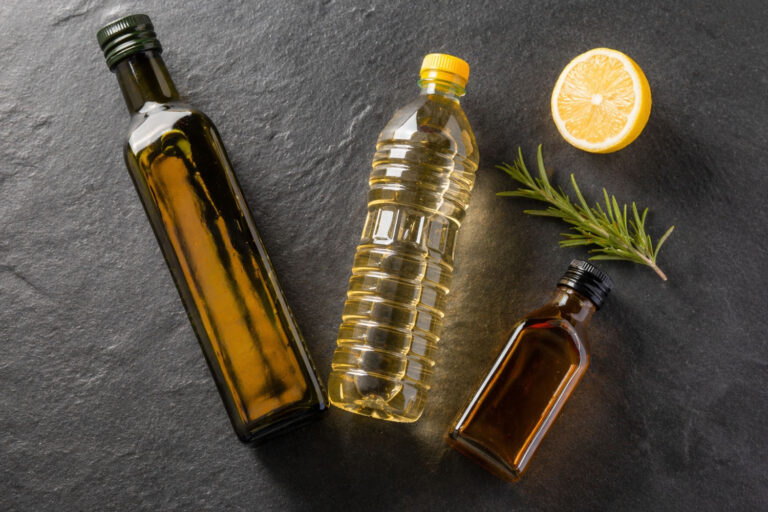
Keep it away from light. Light triggers photochemical oxidation. Store oil in a dark pantry or in opaque or dark-colored bottles. If your oil came in a clear plastic bottle, consider transferring it to a dark glass container.
Seal tightly after every use. Oxygen exposure begins every time you open the bottle. Replace the cap immediately and seal firmly. Do not use pour spouts that leave the bottle open.
Buy in smaller quantities if you use oil slowly. A large jug of vegetable oil is economical but goes rancid faster than you can use it if you do not cook often. Smaller bottles used up within a few months are a better approach for light users.
Refrigerate delicate oils. Flaxseed, walnut, hemp, and other high-PUFA specialty oils are so prone to oxidation that they should be refrigerated even before opening. They may become cloudy in the fridge, which is harmless and reverses at room temperature.
Label the opening date. A bottle of vegetable oil looks identical at 2 months open or 14 months open. A date on the label removes the guesswork.
Never pour fresh oil into a bottle with old oil. The old residue will accelerate rancidification of the fresh oil. Use one bottle until it is empty, then start the new one.
Recipes That Use Cooking Oil
- Greek Style Pork Loin: olive oil is the base of the marinade and essential to getting the right flavor on this classic dish
- Teriyaki Pork Bowls: a neutral cooking oil at high heat gets the perfect sear on the pork
- Honey Sriracha Shrimp Tacos: a hot pan with fresh oil is what makes the shrimp cook properly without sticking
- Gluten-Free Crab Cakes: pan-fried in a thin layer of fresh neutral oil for a crisp exterior
Frequently Asked Questions
Can I use cooking oil past its expiration date?
Yes, within reason and with a smell and taste check. Best-by dates on cooking oil indicate peak quality, not an instant safety cutoff. An unopened bottle stored properly can often be used several months past its printed date if it smells and tastes normal. An opened bottle is more about the smell and taste test than the date. If it smells neutral and tastes right, it is fine to use. If there is any rancid or off odor, discard it regardless of the date.
My vegetable oil looks cloudy. Has it gone bad?
Not necessarily. Vegetable oil and other cooking oils can become cloudy at cooler temperatures as certain fatty acids begin to solidify. This is a normal physical response to cold, not a sign of spoilage. Bring the oil to room temperature and the cloudiness should clear. If it remains cloudy at room temperature and smells off, then it has likely gone rancid.
Can I cook with oil that smells slightly off?
No. Even mildly rancid oil will make food taste unpleasant, and the oxidation compounds it contains are not something you want in your diet regularly. Cooking oil is inexpensive relative to the ingredients you are cooking with it. If the oil smells off, replace it. The cost of a new bottle is always less than a ruined meal or the cumulative health impact of regular rancid oil consumption.
Does olive oil go bad faster than vegetable oil?
Extra virgin olive oil actually has a shorter practical opened shelf life than refined vegetable oil for most people, despite being more shelf-stable unopened. EVOO’s complex flavor compounds are delicate and degrade noticeably within 6 months of opening, even if the oil is not technically rancid. Refined vegetable oil has fewer volatile flavor compounds and stays usable longer after opening. Buy EVOO in smaller bottles and use it within 3 to 6 months of opening for best flavor.
Further Reading
- Does Cooking Oil Need to Be Refrigerated?
- Does Coconut Oil Go Bad?
- Does Olive Oil Go Bad?
- Does Sesame Oil Go Bad?
- Complete Food Storage Guide

Better Living may earn commissions through affiliate links and may occasionally feature sponsored or partner content. If you make a purchase through our links, we may receive a small commission at no cost to you.