

The first thing that comes to mind when picturing Thai island holidays is an image of blue and white. However, as the sun sets on this strip of Thailand’s Andaman Sea coast, a whole other sort of luxury is beginning to take hold. It has everything to do with the soil as much as the sea. The ultimate goal was seclusion, but now the pampered tourist is demanding a place at the same dining table where the ingredients were harvested just hours before the first course.
The trend of privatization of island getaways in Thailand is at the forefront of this shift. The latest trends within the region indicate that as the region’s infrastructure improves, the island destinations are becoming more autonomously sustained, with a focus on permaculture development over importing their food supplies. Whether you’re sailing past the limestone karsts of the Bay of Phang Nga or on the far side of the island of Koh Kood, coordinating your travel to Thai islands via reliable platforms like Siam Tickets has made these once-inaccessible gourmet retreats a seamless reality for the modern epicurean.
- The Zero-Waste Pioneers of Phuket
Phuket may well be the entry point for the south, but the most exciting culinary shifts are happening in its verdant interior. At the forefront of this movement is Jampa, a restaurant that received a coveted Michelin Green Star for its reinvention of the concept of “zero waste” for the fine-dining world.
The property is situated in the wellness community of Tri Vananda and has its own organic farm to provide Jampa’s daily menu. The menu is not fixed, and there is a dialogue between the garden and the chef. The guests are normally treated to a walkabout at the beginning of dinner, picking either sun-ripened tomatoes or local herbs, which will later reappear on the dinner plate in an hour’s time. The chefs here work with fire and fermentation, where a wood-fired oven is employed to access the natural sugar in root vegetables and the natural brine in local river prawns.
- Koh Yao Noi: The Rice Paddy Revolution
Though many tourists go to the island chain for beach activities, those who go to Koh Yao Noi will see a terrain consisting of green paddy fields and water buffaloes. This is one of the few islands that have been successful at maintaining a balance between tourism and agriculture.
At The Hideout, the dining experience is a culinary course on “Good Karma” eating. This jungle-surrounded haven runs an open-fire kitchen where 90% of the produce comes directly from the island itself. Their dishes include “enzyme-rich” options that are good for gut health, and everything is utilized of the ingredients, from the peel to the seeds, to minimize waste.
While here on Koh Yao Nai, there’s another favorite ritual that visitors must not miss, and that is the Fisherman’s Bounty lunch. You can join local residents to see how the morning’s catch is processed and then enjoy a hearty meal at the Rice Paddy Restaurant, where the rice on your plate was grown literally ten feet from your table.
The “Plant, Raise, Understand” Philosophy
Up north on the west shore of Phuket, the flagship restaurant of the Trisara Resort, PRU, remains the standard bearer for local cuisine. The meaning of PRU is “Plant, Raise, Understand,” and it is more of a laboratory than a kitchen.
They maintain their own farmland, “Pru Jampa,” which comprises 96 hectares, and focus on using native Thai plants that were previously forgotten in modern supermarkets. By emphasizing “hyper-local” ingredients such as Andaman lobster and Surat Thani free-range chicken, they have managed to lower their carbon emissions and developed flavors that are distinctly Thai and impossible to replicate anywhere else.
Sustainable Sanctuaries in the Gulf
On the east side of the peninsula, the Explorar Koh Phangan launched a project called “Seed to Plate,” tailored to the contemporary and green-conscious traveler.
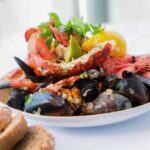
The herbs and vegetables that go into their Southern curries come from their garden, raised under the bright Gulf sun. This trend of independence is a part of a larger nationwide movement as well. Thailand has made significant strides within the UN’s Convergence Initiative, a world movement that aims to implement climate-smart farming into the tourist industry. This is what makes your meal on these shores a part of a legitimate movement.
Tips for the Eco-Conscious Diner
- Book the Farm Tour: The farm tour is often offered by many of these resorts as an appetizer of sorts to dinner. It’s the only way of knowing where your food comes from.
- Follow the Tide: Order the “Catch of the Day.” Menu options on an island such as Koh Yao Noi can vary depending on the fish the artisanal fisherman caught that day.
- Respect the Season: Farm-to-table means there will be ingredients not in season year-round. Learn to love the ‘limited edition’ feel of the menu, which is a reflection of authenticity.
Navigating the Archipelago
The journey to these private escapes is as much a part of the experience as the meal itself. For those looking to explore beyond the mainland, the Allianz Safety and Shipping Review highlights that regional maritime safety has reached record highs, making the transit between hidden gourmet hubs safer and more efficient than ever before.
Further Reading
Looking for more travel inspiration and culinary adventures? Check out these related articles:
- Romantic Island Hopping in the Caribbean – Discover the most romantic island destinations perfect for couples seeking their own tropical paradise.
- Travel Goals: Planning Your Dream Vacation – Get inspired to plan your next adventure with our comprehensive travel planning guide.
- Essential Packing Tips for International Travel – Make sure you’re prepared for your island getaway with our expert packing advice.
- Fitness Tips for Travelers – Stay healthy and active while exploring new destinations with these practical wellness tips.
Better Living may earn commissions through affiliate links and may occasionally feature sponsored or partner content. If you make a purchase through our links, we may receive a small commission at no cost to you.