
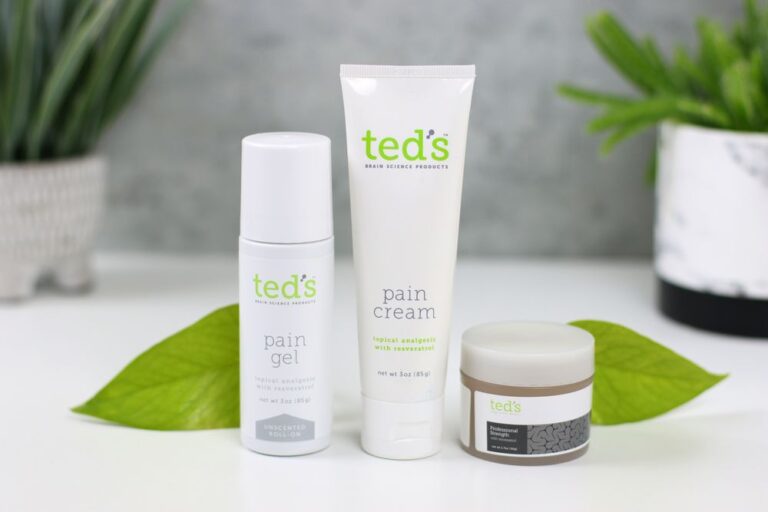
A recent study from Brigham and Women’s Hospital found that a whopping 50.2 million (1 in 5 Americans) live with some degree of chronic pain. That means if you don’t have pain at this moment, you can be certain someone you know does.
Pain in its mildest form is uncomfortable, but at its worst it can be debilitating. There’s a reason for that: pain is the body’s way of protecting us by telling us we’re injured. It tells us to stop walking on that broken foot, or when to rest a muscle that’s overworked or pulled. Feeling burning? That’s your body saying “get your hand off that hot pan!”
While pain is the body’s way of telling us we need to rest and heal, it can make life really difficult. It can interfere with work and the things we love, and make the simplest tasks seem impossible. When it becomes chronic, it’s also a major instigator of depression.
One thing’s for sure: once we’re in pain, finding a way to make it stop is priority number one. But most of the options we’re presented with (mainly pills and topicals) are either dangerous or not that well designed. Until now.
A plant compound called resveratrol is changing the pain game. And there’s real research behind it. Keep reading to see why resveratrol works, and why it’s so different from typical pain relievers.
The short answer: resveratrol is a plant compound (best known from red wine) that two pain neuroscientists found can calm overexcited pain nerves instead of just numbing or distracting from the pain. It’s now the key ingredient in Ted & Greg’s Pain Rub, paired with methyl salicylate for faster relief. It’s not for everyone: skip it if you’re on blood thinners or allergic to aspirin/salicylates, but for everyday aches, strains, and lingering pain, it’s one of the more interesting topicals we’ve tried.
Key takeaways
- 1 in 5 Americans live with chronic pain, according to Brigham and Women’s Hospital research.
- Resveratrol doesn’t numb or distract from pain; it appears to calm overexcited pain nerves at the source.
- Ted & Greg’s Pain Rub pairs resveratrol with methyl salicylate (from wintergreen) for both quick and lasting relief.
- Resveratrol hasn’t been through clinical trials yet, not because it failed any, but because it’s a natural compound that can’t be patented, so no drug company will fund the trials.
- Skip this one if you’re on blood thinners or have an aspirin/salicylate allergy; there’s currently no alternate formula without it.
Why Prescription Drugs Are The Least Safe Option For Pain
Over time your body builds up a tolerance to these drugs, which means you’ll need more and more to get the same relief. Not only can they be addictive (opioid epidemic?), but they can be hard on the liver and cause a variety of side effects like nausea, constipation, lowered immunity, fogginess, anxiety, and irritability. Overdosing with these drugs is always a concern.
Traditional Topicals Are Safer Than Drugs, But They’re Not Very Effective
Pain-relieving topicals are always the better option than drugs, but they have their drawbacks for long-term use.
Until recently, pain-relieving topicals came in only two types:
Type #1: Numbing Creams
The good: these topicals provide pain relief by numbing the entire area where it’s applied. The active ingredient is usually lidocaine or benzocaine.
The not-so-good: they also block heat, cold, and pressure, and only work as long as they’re on your skin. They can put athletes at risk for greater injury, especially if you actively train, since some pain is the body’s way of telling us to lay off an injury as it heals.
Type #2: Distracting Creams
The good: these use a “cooling” or “heating” sensation to distract you from the pain for a while. The active ingredients are usually menthol (cooling) or capsaicin (heating).
The not-so-good: these are less effective than numbing creams and not ideal for long-term or chronic pain.
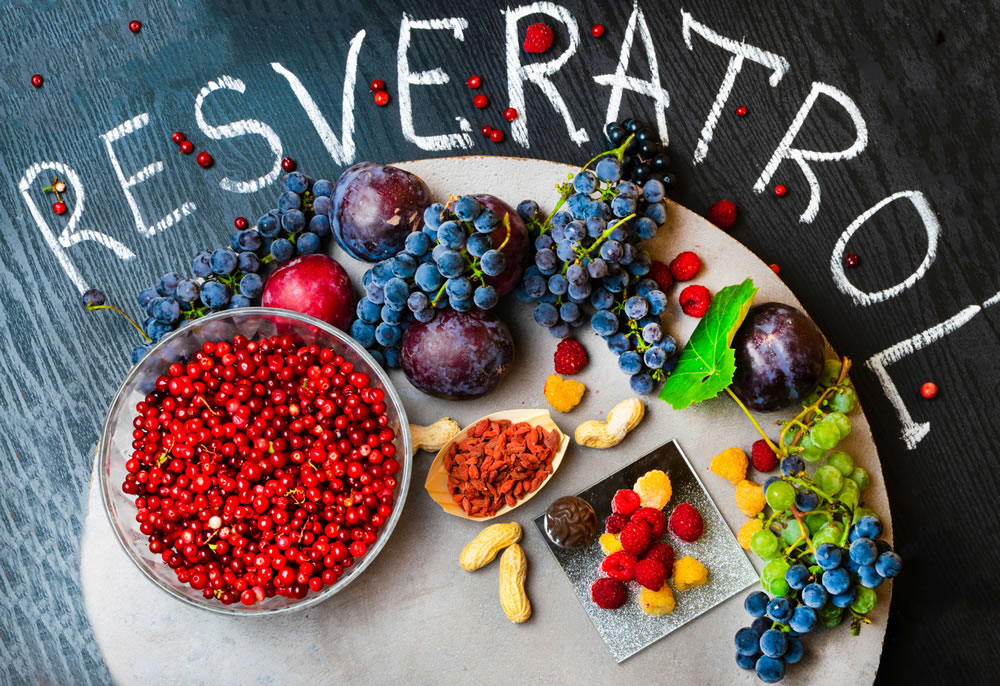
Resveratrol Is Known As An Anti-Aging Compound Found In Red Wine. But A Neuroscientist Found It’s Actually Way Better At Relieving Pain.
Trendy for a while as an anti-aging superstar, resveratrol is a plant compound and antioxidant found in high concentrations in grape skins (that’s where the wine comes in), as well as blueberries, cocoa, peanuts, and other plants.
The truth is scientists still don’t know if resveratrol alone can make us ageless and wrinkle-free. But pain? It appears to work really well for that, and in a more direct, functional way than everything else we’ve been using.
After spending years researching pain, Dr. Ted Price, a pain neuroscientist, found his old football injury, Achilles tendonitis, acting up while sitting in his lab in 2017. Not knowing what else to do, he thought back to some of his earlier peer-reviewed research on resveratrol as a pain reliever.
He happened to have some in his lab, applied it to the injured area, and the results were incredible. After passing his resveratrol formula out to family, friends, and colleagues, he found it wasn’t just a fluke: the feedback was amazing.
With the help of his research partner, fellow neuroscientist and migraine expert Dr. Greg Dussor, the two eventually launched Ted & Greg’s, now selling a single reformulated topical, Pain Rub, built around the same resveratrol discovery.
It’s one of the only pain-relieving topicals on the market built around resveratrol. And bonus: it comes from two people who actually research pain for a living.
You can read more about the science behind the product on their FAQ page, and how an NPR interview helped the original formula take off.
Resveratrol Doesn’t Just Numb Pain Or Distract Us. It Calms Nerves By Resetting Them On A Molecular Level.
Once we’re injured, our pain nerves get excited and send signals to the brain that we perceive as pain. The problem is our nerves don’t always return to their calm, collected selves after we heal. They can get stuck in a hyper-excited state, sending pain signals that last for months or even years after we’ve technically healed.
This is what Dr. Price calls “false” pain, which can become chronic.
On the science of lingering nerve pain
Watch: The Dinner Party Theory of Nerve Pain
Here’s Why Resveratrol Is A Game-Changer For Pain
It doesn’t numb or distract like other topical pain relievers. Instead, it works on a molecular level to help calm nerves by “resetting” them closer to their pre-injury state.
While resveratrol appears to quiet false pain signals, it still allows real, protective, stop-what-you’re-doing pain signals to get through. There’s no risk of addiction or the side effects that come with oral pain medication: you apply it where it hurts, and that’s it.
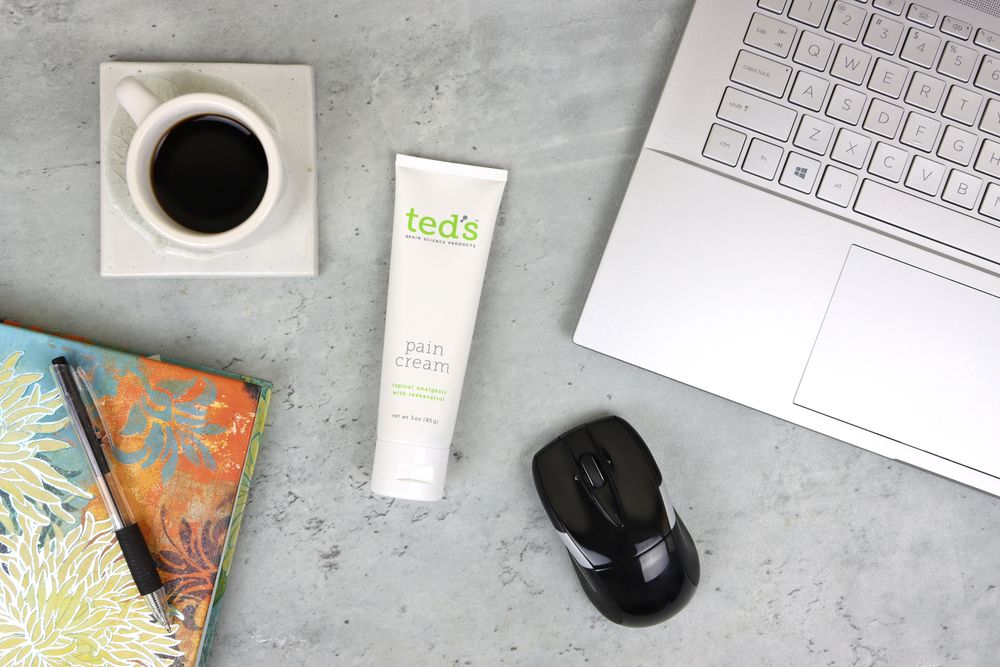
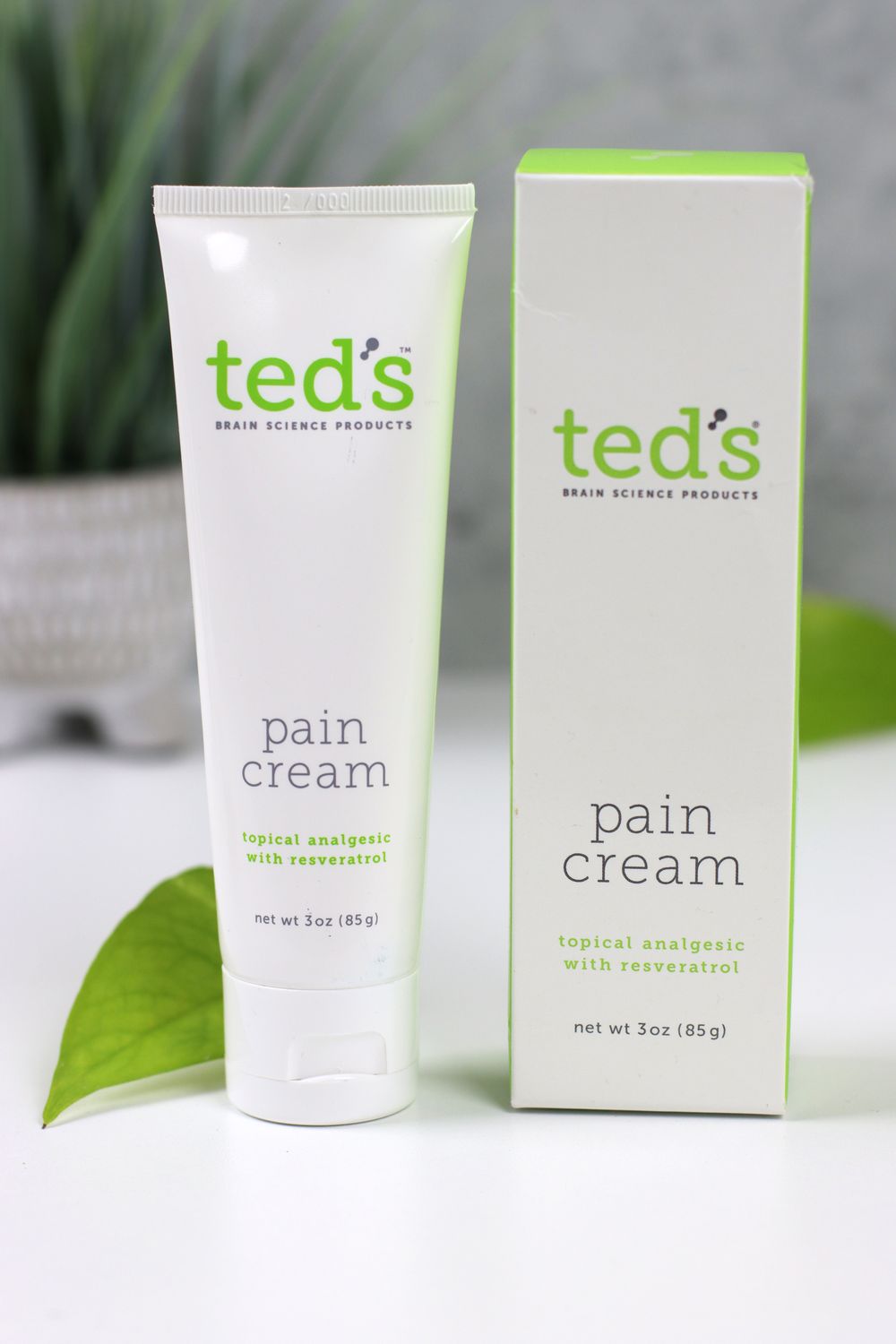
What’s Actually In Ted & Greg’s Pain Rub
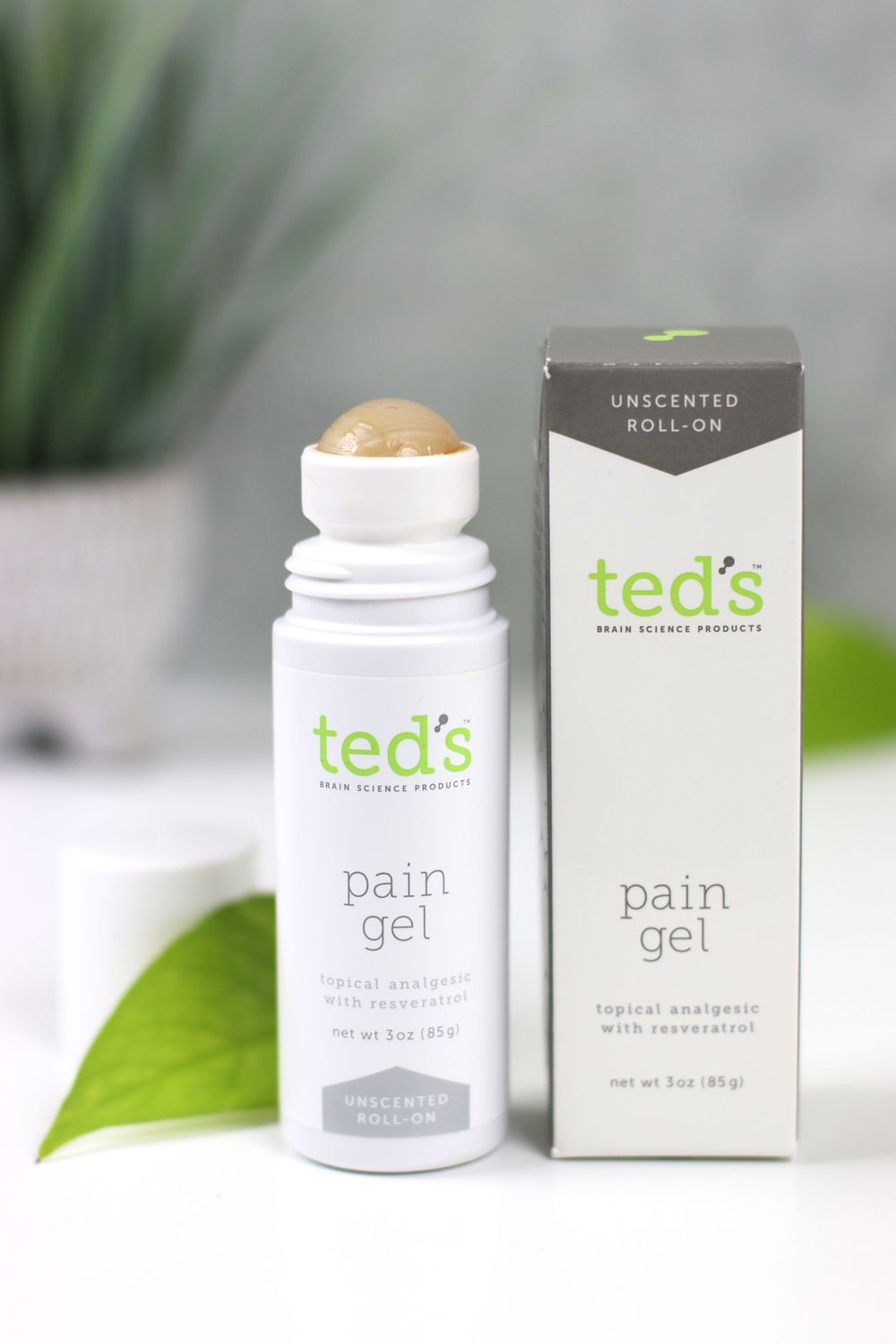
Pain Rub has the feel of a light lotion and comes in a 3 fl oz airless pump bottle (the company says the airless design helps prevent the resveratrol from oxidizing and staining, which is a common complaint with resveratrol-based topicals that use open jars or tubes).
Active ingredient: methyl salicylate, 10%, the same aspirin-related compound found in wintergreen oil, and one of the oldest topical analgesics in use.
Other ingredients: resveratrol, plus well-studied anti-inflammatory extracts including arnica montana and boswellia serrata, along with glycerin and standard emollients/preservatives. Read more on arnica and boswellia’s anti-inflammatory research here.

Why isn’t resveratrol the “active ingredient” on the label? Because of how FDA labeling works for OTC drugs: methyl salicylate is currently the only ingredient in the formula that qualifies as an active pain-relieving ingredient, so resveratrol is listed under “other ingredients” instead. And according to the brand’s own FAQ, resveratrol likely won’t see formal clinical trials any time soon: it’s a natural compound, so it can’t be patented, which means there’s little financial incentive for a drug company to fund the research. That’s a more honest explanation than most supplement brands give, so we’re giving them credit for saying it plainly.
What Kind Of Pain Does It Work Best For? One Use Is Pretty Surprising.
Pain Rub can be used for all sorts of pain, including sore muscles, muscle strains, and bruises. Also try it for:
- Sports and weight-training injuries (inflammation, tendonitis, tennis elbow, golfer’s elbow, jumper’s knee, swimmer’s shoulder, etc.)
- General muscle overuse and pulled muscles
- Painful wrists, ankles, knees, and Achilles (heel)
- Trigger finger or trigger thumb
- Plantar fasciitis and Morton’s neuroma
- Carpal tunnel syndrome
- Arthritis and fibromyalgia
- Rubbed into temples and the neck for migraine pain
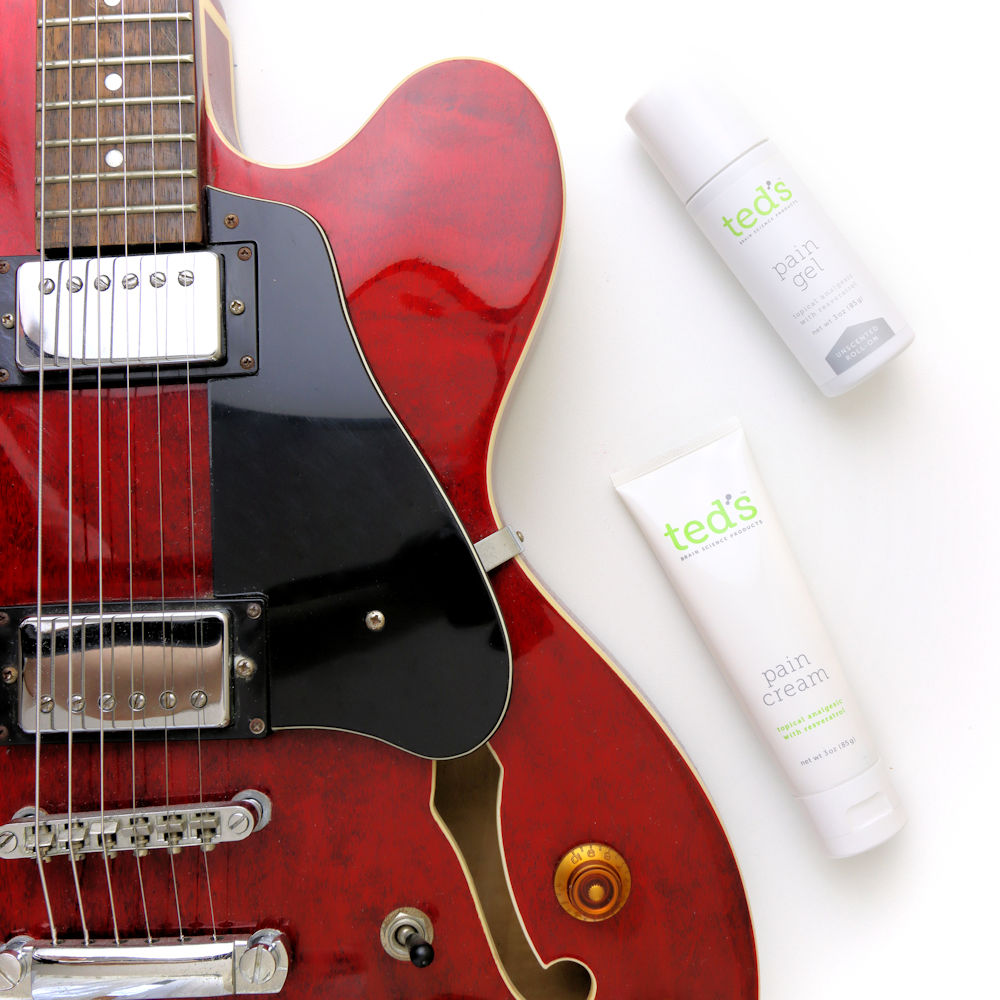
It’s a nice option for musicians with achy hands too, as well as other forms of chronic pain.
Some people have even found it works well for stubborn, itchy bug bites that nothing else seems to touch.
How To Use Ted & Greg’s Pain Rub, And Our Experience
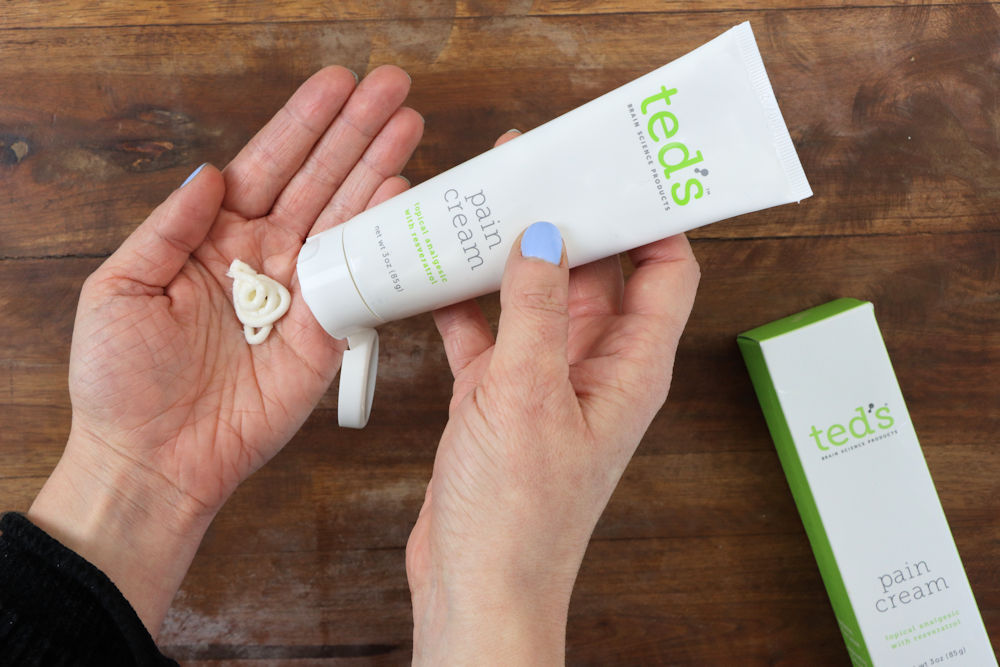
The brand recommends rubbing a pea-sized amount thoroughly into the painful area three times a day for one week, then assessing whether it’s working. Longer use isn’t considered harmful, and their research suggests some lingering pain can ease with consistent exposure to resveratrol over time.
| Price | $29 for one 3 fl oz pump, or $78.30 for a 3-pack (saves $8.70) |
| How to use | Pea-sized amount, massaged into the area, 3x a day for 7 days, then reassess |
| Scent | Wintergreen (from the methyl salicylate itself; no unscented version yet) |
| Skip it if | You’re on blood thinners or have an aspirin/salicylate allergy; there’s no alternate formula without methyl salicylate right now |
Our experience: I first used it on a wrist that was acting up with some carpal-tunnel-like pain, which was making it genuinely hard to type. It worked quickly: within an hour I’d basically forgotten about it, and after a few more applications the pain didn’t come back. I’m less sold on how it does with longer-standing issues (I’m still testing it on a shoulder injury I’ve had for months), but for everyday strains and overuse pain, it’s become one of the first things I reach for.
Personally, I don’t mind the wintergreen scent, but it’s worth knowing going in that there’s currently no unscented option; the smell comes from the active ingredient itself, not an added fragrance.
To Get The Most Benefit, Consistency Is Key
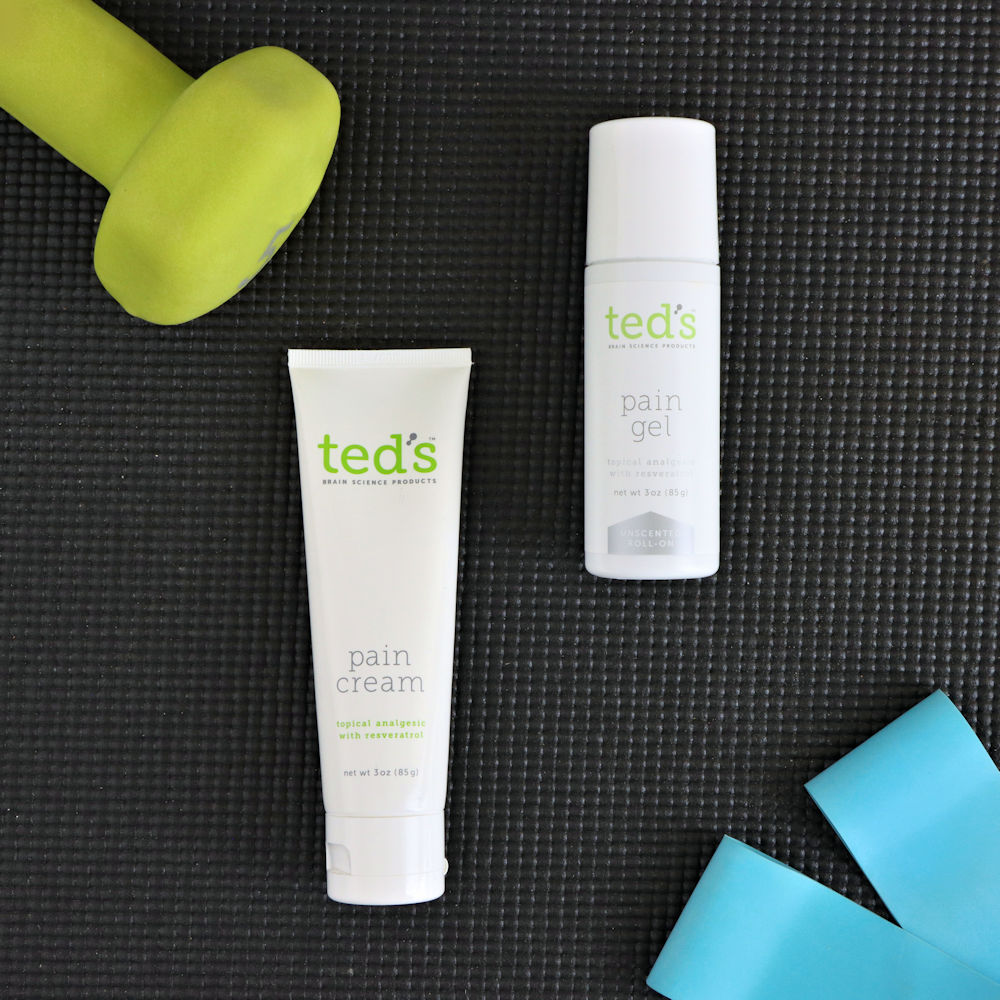
Since Ted & Greg’s Pain Rub doesn’t work like a typical numbing or distracting topical, applying it consistently matters for the long-term results. You’ll still get some relief right away, but the benefits of resveratrol appear to build up with repeated use.
One honest caveat: the company’s own “science-backed” claims on their marketing pages currently cite no published studies or data for the finished product; the resveratrol-for-pain research comes from Dr. Price and Dr. Dussor’s own academic work rather than from trials on this specific formula. Worth knowing if you want to read the underlying research yourself rather than take the branding at face value.
Get Ted & Greg’s Pain Rub
If you’re dealing with any kind of lingering pain, Pain Rub is worth a try, especially if you’ve already ruled out numbing creams and menthol rubs as not doing enough.
Buy Ted & Greg’s Pain Rub, read their full FAQ for more on the science and shipping details, or see what early customers are saying on their Anecdotal Evidence page.
As the company itself says: this pain rub might not work for everyone. But for everyday aches, strains, and the kind of pain that lingers longer than it should, it’s one of the more thoughtfully explained topicals out there, and that honesty alone makes it worth a look.
Further Reading

Better Living may earn commissions through affiliate links and may occasionally feature sponsored or partner content. If you make a purchase through our links, we may receive a small commission at no cost to you.