☕ What Can You Do With Used Coffee Grounds?
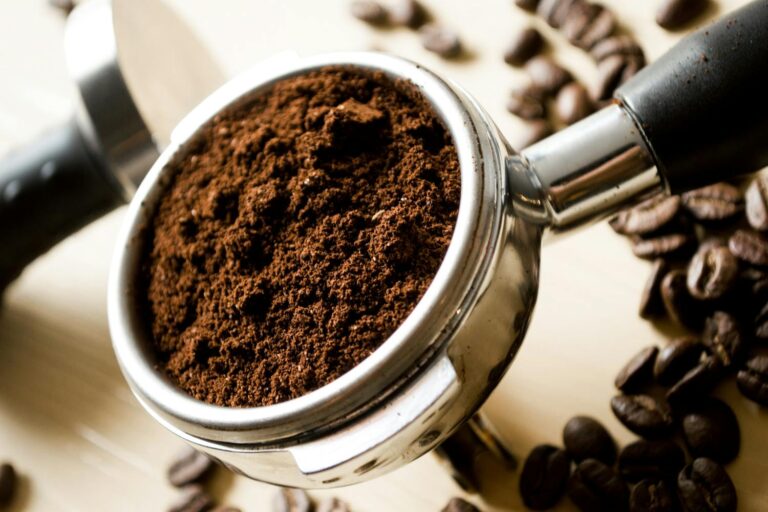
Used coffee grounds are packed with nitrogen, caffeine, antioxidants, and natural oils — and most people throw them straight in the bin. Don’t. They can be used as a body scrub, natural deodorizer, dry rub for meat, garden compost ingredient, furniture scratch repair, and much more. Most uses cost absolutely nothing.
⚡ Start tonight: Set a small bowl of dried grounds in your fridge. They absorb odors just like baking soda — and you already have them.
There’s nothing quite like a fresh cup of coffee at home. But if you brew every day, you’re also quietly generating one of the most underrated household resources around: used coffee grounds.
Most of us toss them without a second thought. That’s a genuine waste. Spent grounds retain significant amounts of nitrogen, caffeine, chlorogenic acids, and natural oils from the bean — compounds with real utility in the garden, bathroom, kitchen, and beyond.
We’ve gone through the research, checked the science, and cut through the myths to bring you 20 practical ways to put them to work.
💆 Beauty & Skincare Uses for Coffee Grounds
Research confirms that spent coffee grounds contain caffeine, chlorogenic acids, and natural oils — all with documented benefits for skin when applied topically.
1
✨ DIY Body Scrub and Exfoliant
Coffee grounds don’t dissolve in water, making them a natural physical exfoliant. The gritty texture buffs away dead skin cells without the synthetic microplastics found in many commercial scrubs. A 2023 review in the journal Cosmetics (MDPI) confirmed that both caffeine and chlorogenic acids in spent grounds have documented antioxidant, anti-aging, and photoprotective properties when applied topically. A 2016 study in Photochemical & Photobiological Sciences found that topical application of spent coffee ground extracts reduced UVB-induced wrinkle formation in mice by over 35% and suppressed collagen breakdown. The bioactive compounds responsible are well-established in the cosmetic science literature.
🍽️ How to use it: Mix 2 tablespoons of used grounds with 1 tablespoon of coconut oil or plain yogurt. Massage onto damp skin in circular motions for 60 seconds, then rinse with warm water. Use 1–2 times a week. Note: grounds can be too coarse for sensitive facial skin — test a small patch first.
2
👁️ Reduce Under-Eye Puffiness
Caffeine is a vasoconstrictor — it temporarily narrows blood vessels — which is why it’s a staple ingredient in commercial eye creams and depuffing skincare. Applied around the eyes, it may reduce puffiness and dark circles by improving microcirculation. The Cosmetics (2023) review reported that a 3% caffeine pad applied around the eyes over four weeks produced measurable improvements in skin elasticity, hydration, and pigmentation in study participants.
🍽️ How to use it: Mix a small amount of very finely ground used coffee with cooled brewed coffee or aloe vera gel. Dab gently under the eyes with a cotton pad, leave 10 minutes, then rinse with cool water. Never get grounds directly in your eyes.
3
🦵 Anti-Cellulite Scrub
Caffeine’s lipolytic action — its ability to stimulate fat-metabolizing enzymes — is one of the primary reasons it appears in nearly every commercial anti-cellulite product. The same 2023 Cosmetics review specifically listed caffeine’s “lipolytic action in cellulitis” as a key documented application. The physical scrubbing further boosts local blood circulation. Effects are temporary and need consistent maintenance, but the underlying mechanism is real and well-documented in the literature.
🍽️ How to use it: Combine used grounds with a small amount of olive oil. Apply to thighs and affected areas using firm circular motions for 2–3 minutes before showering. Rinse thoroughly. A few times a week yields the best results.
4
💇 Scalp Scrub and Hair Treatment
Coffee grounds exfoliate the scalp just as effectively as they exfoliate skin, removing product buildup and dead cells that weigh hair down. Caffeine has been studied for hair follicle stimulation — a 2007 study in the International Journal of Dermatology found it penetrated the hair follicle and counteracted testosterone-related suppression of follicle activity in vitro. The 2023 Cosmetics review listed “hair regrowth” among caffeine’s documented cosmetic applications.
🍽️ How to use it: Before shampooing, work a palmful of damp used grounds into your scalp with your fingertips for 60 seconds. Rinse thoroughly, then shampoo as usual. Use once a week maximum — overuse can dry out the scalp. Works especially well for oily scalps or heavy product buildup.
5
🤲 Remove Stubborn Cooking Odors From Your Hands
Garlic, fish, and onion leave sulfur-based odor compounds on skin that basic hand soap alone struggles to cut. Coffee grounds act as both a natural abrasive (lifting residue) and an odor binder — their porous structure adsorbs odor molecules the same way activated charcoal does. It’s the exact same principle used in commercial “stainless steel soap” bars.
🍽️ How to use it: After chopping garlic or handling fish, rub a small amount of used grounds between your palms for 30 seconds, then rinse and follow with soap. Works best while the odor is still fresh. Keep a small jar of dried grounds next to the kitchen sink — it’s the kind of trick you’ll use every week.
🏠 Using Coffee Grounds Around the House
The abrasive texture, odor-absorbing properties, and natural pigment of coffee grounds make them surprisingly useful around the home.
6
🧼 Natural Kitchen Scrub
The same gritty texture that makes grounds work on skin works just as well on greasy pans and baked-on kitchen grime. They’re abrasive enough to cut through grease without scratching most cookware, and completely free of the harsh chemicals in commercial scrubs.
🍽️ How to use it: Sprinkle a small amount of used grounds onto a damp cloth or sponge and scrub greasy pans or surfaces, then rinse well.
Avoid stainless steel sinks — grounds leave brown staining. Also skip porous grout or unsealed stone. And never put grounds down a drain — they accumulate and cause clogs. See more chemical-free cleaning ideas in our
DIY Natural Non-Toxic Cleaning Recipes.
7
🌬️ Natural Odor Absorber
Coffee grounds absorb odors through their porous structure and natural compounds that bind volatile odor molecules — the same principle behind activated charcoal. They work in the fridge, freezer, bathroom, shoes, gym bags, and cars. The key step most people miss: dry the grounds completely first. Wet grounds will go moldy within days and create a worse problem than the odor you’re trying to fix.
🍽️ How to use it: Spread used grounds on a baking sheet and air-dry for 24–48 hours at room temperature, or dry in a low oven (200°F / 93°C) for 20 minutes. Once fully dry, place in a small open bowl in the fridge, or fill a breathable sachet or old sock for shoes and bags. Replace every 2–3 weeks when the coffee scent fades.
8
🪵 Conceal Minor Scratches on Dark Wood Furniture
Coffee grounds mixed with a small amount of water form a rich brown paste that deposits natural pigment into surface scratches on dark wood. The oils in the grounds condition the surrounding wood at the same time — which is why this tends to look more natural than marker touch-ups for minor dings and surface marks.
🍽️ How to use it: Mix grounds with just enough water to make a thick paste. Rub into the scratch with a cotton swab, leave 5–10 minutes, then wipe away excess. Repeat for deeper scratches. Always test on a hidden area first — this works best on medium to dark wood and can noticeably darken lighter finishes.
9
🪣 Tame Dusty Fireplace Ash When Cleaning
Cleaning fireplace ash is notoriously messy — the particles are so fine and light that the smallest movement sends them billowing through the room. Scattering damp coffee grounds over the ash before you start binds the fine particles together and weighs them down, making the entire job dramatically less dusty and easier to contain.
🍽️ How to use it: Scatter damp (not soaking) used grounds evenly over the ash and let them sit for a minute before scooping. Remove the bound mixture with a fireplace shovel as usual. The result is far easier to bag and dispose of cleanly.
10
🎨 Natural Dye for Paper, Fabric, and Art Projects
Strong brewed coffee and used grounds stain paper, fabric, and untreated wood a warm sepia-brown — the same effect you see in vintage documents and aged craft projects. The color is not colorfast on fabric (it will fade with washing), but for paper crafts, aged journaling paper, gift wrapping, and mixed-media art it creates a beautiful, completely free natural dye.
🍽️ How to use it: For paper: brew a very strong cup using extra grounds, let it cool, then brush or pour over paper and let dry flat. Repeat for deeper color. For fabric: simmer grounds in water for 30 minutes, strain, soak pre-wetted fabric in the dye bath. For art: mix dry grounds into paint for earthy texture or press into damp clay.
11
🐾 Neutralize Pet Accident Odors on Hard Floors
After cleaning a pet accident on a hard floor, residual odor molecules can linger in the surface. Dried coffee grounds placed briefly over the cleaned area can adsorb those remaining compounds — acting similarly to baking soda — before a final wipe-down.
⚠️ Safety warning: Coffee grounds are toxic to dogs and cats if ingested. Even small amounts can cause caffeine poisoning. Only use on hard floors you can wipe completely clean
immediately before pets access the area. Never use on carpets or anywhere a pet can sniff or lick. If your pet ingests coffee grounds, contact your vet or
ASPCA Animal Poison Control immediately.
🌱 Using Coffee Grounds in the Garden
📢 A note on garden myths: A lot of popular advice overstates what coffee grounds can do in the garden. The most rigorous science on this topic comes from Dr. Linda Chalker-Scott’s WSU Extension Fact Sheet (FS207E) — peer-reviewed research we reference throughout this section. Her findings are more conservative than most gardening blogs, and more accurate.
12
🌿 Add to Your Compost Pile
Composting is the single best and most evidence-backed use for coffee grounds in the garden. Grounds are nitrogen-rich — proteins make up over 10% of their content by weight — classifying them as a “green” material that feeds microorganisms and accelerates decomposition. According to Dr. Chalker-Scott’s WSU Extension research, properly composted grounds provide nitrogen, phosphorus, iron, and zinc to the finished soil. They also bind pesticide residues and heavy metals like cadmium, preventing their movement into surrounding plants and environment.
⚠️ Two important caveats: First, fresh unbrewed grounds are phytotoxic — multiple peer-reviewed studies confirm they inhibit plant growth. Always use spent grounds from brewing. Second, thick layers of grounds compact into a water-repellent crust (per WSU research) that harms plants. Never use as thick stand-alone mulch.
🍽️ How to use it: Add used grounds to your compost bin daily as a green (nitrogen) material. Balance with brown materials — dried leaves, shredded newspaper, cardboard, wood chips, or straw. Aim for grounds to be no more than roughly 20% of total compost volume.
13
🐛 Feed Earthworms and Improve Soil Structure
One of the best-documented benefits of coffee grounds in the garden is earthworm activity. WSU Extension’s FS207E cites research showing that earthworms are voracious consumers of coffee grounds, pulling them deeper into soil — which directly improves soil structure through increased aggregation. As grounds break down, they also produce humic substances that are important chemical and structural components of healthy soil. Additionally, Dr. Chalker-Scott’s research confirms that coffee grounds increase the availability of essential plant nutrients — nitrogen, phosphorus, iron, and zinc — particularly in more alkaline soils.
⚠️ A note on pest control claims: You may have read that coffee grounds repel slugs, ants, or cats. WSU Extension’s peer-reviewed fact sheet explicitly states there is currently no published scientific evidence that grounds repel or kill any garden pests. Treat that claim with skepticism — the composting and earthworm benefits are the real, evidence-backed story.
🍽️ How to use it: Work used grounds lightly into the top inch of garden soil around plants, or add them to a worm composting bin. Worm bins thrive with a small addition of grounds weekly — but don’t overdo it, as high concentrations can affect worm health. Aim for grounds to be one ingredient among many.
14
🦟 Discourage Mosquito Breeding in Standing Water
A 2015 study published in Parasites and Vectors found that female mosquitoes avoided laying eggs in water treated with coffee grounds, and that hatching rates were significantly lower when they did. This is a legitimate, research-backed use — with one important clarification.
⚠️ Be precise about what this does: The research confirms grounds deter mosquito egg-laying in standing water. There is currently no peer-reviewed evidence that coffee grounds repel adult mosquitoes from biting people — despite what many viral posts claim.
🍽️ How to use it: Add a tablespoon of used grounds to birdbaths, drainage saucers, or decorative containers in your yard to discourage mosquitoes from using those spots as breeding grounds. Replace weekly or after rain.
15
🍄 Grow Oyster Mushrooms at Home
Spent coffee grounds are one of the best substrates for growing oyster mushrooms at home — and this is backed by solid mycological research. A study published in Acta Biotechnologica confirmed that spent coffee grounds support good yields of Pleurotus ostreatus (oyster mushrooms) in solid-state fermentation. Grounds are already partially sterilized by the brewing process, nutritionally dense, and at the right moisture level for mycelium. You can grow a full harvest in a used takeaway container on a kitchen counter.
🍽️ How to use it: Collect grounds daily in a sealed container in the fridge to prevent mold. Once you have 1–2 lbs, mix with oyster mushroom spawn (available from online suppliers). Pack into a container with small air holes, keep in a cool shaded spot, and mist twice daily. Expect fruiting in 2–3 weeks. Then use them in our
Gluten-Free Stuffed Mushrooms recipe!
🍳 Using Coffee Grounds in the Kitchen
Coffee’s bitter, roasted depth is one of the most underused flavor enhancers in home cooking. If you haven’t tried cooking with grounds yet, start here.
16
🥩 Dry Rub for Ribs, Steak, and Chicken
Coffee is a genuinely excellent addition to dry rubs. Its slightly bitter, roasted depth pairs beautifully with smoky, spiced flavors, and its mild acidity works as a natural meat tenderizer. If you’ve enjoyed a coffee-rubbed brisket at a BBQ restaurant, now you know how to do it at home.
🍽️ Recipe starter: Combine 2 tbsp finely ground used coffee, 1 tbsp brown sugar, 1 tbsp smoked paprika, 1 tsp each of garlic powder, onion powder, black pepper, and salt, and a pinch of cayenne. Rub generously over the meat and refrigerate at least 30 minutes before cooking. Try it on our
Easy Cajun-Style BBQ Ribs — the coffee rub pairs brilliantly with Cajun seasoning.
17
☕ Add Depth to BBQ Sauce
Coffee deepens the complexity of BBQ sauce the same way it deepens chocolate — amplifying and rounding existing flavors without making anything taste like a latte. The bitterness balances sweetness beautifully, and the roasted notes add a smoky dimension that’s hard to achieve any other way.
🍽️ How to use it: Stir 3–4 tablespoons of finely ground used coffee into ⅓ cup of your favorite BBQ sauce. Let sit for 20 minutes so the grounds steep and infuse, then baste onto ribs or chicken. Works brilliantly with our
Easy Cajun-Style BBQ Ribs. Start with less and build to taste.
18
🍫 Intensify Chocolate Flavor in Baked Goods
A small amount of finely ground coffee in baking doesn’t make things taste like coffee — it makes chocolate taste more chocolatey. The bitter, roasted compounds in coffee interact with cocoa’s flavor compounds to deepen and round them. It’s one of the oldest professional baking tricks, and it works whether you use espresso powder or finely ground used coffee.
- Brownies and chocolate cake: Add 1–2 teaspoons to the dry ingredients. The difference in depth is noticeable.
- Mocha cookies and oatmeal cookies: A teaspoon adds a subtle roasted complexity that elevates the whole cookie.
- Chocolate frosting or ganache: Steep a teaspoon of grounds in warm cream for 5 minutes, then strain and use as usual.
⚠️ Grind size matters: Only use finely ground used coffee in baking. Coarse grounds (from a French press or percolator) create an unpleasant gritty texture. Pulse briefly in a spice grinder before adding to any recipe.
19
🍝 Substitute for Instant Coffee or Espresso Powder in Recipes
Many recipes call for instant coffee or espresso powder — things most home cooks don’t keep stocked. Finely ground used coffee is a direct substitute in most cooking applications. The flavor will be slightly less concentrated than instant espresso powder, so use a touch more and adjust to taste.
🍽️ Works well in: Tiramisu, mocha frosting, coffee-flavored whipped cream, chocolate sauces, glazes, and marinades for beef. For liquid-based applications — tiramisu, cocktails — brewed coffee from the same used grounds works even better than the dry grounds themselves.
📦 How to Store Used Coffee Grounds (So They Don’t Go Moldy)
20
The Right Storage Approach for Every Use
Wet grounds go moldy within 2–3 days at room temperature. The right storage method depends entirely on what you plan to use them for:
- For immediate use — scrubs, cooking, scalp treatment: Use grounds from today’s or yesterday’s brew. Store in an open container in the fridge and use within 3 days.
- For deodorizing (fridge, shoes, bags): Dry completely first. Spread on a baking sheet at room temperature for 24–48 hours, or bake at 200°F / 93°C for 20 minutes. Store in a sealed jar once dry — keeps for several weeks.
- For composting: Add to the bin daily. Worms and microorganisms love moist grounds — no drying needed.
- For mushroom growing: Refrigerate in a sealed container and use within 4–5 days before mold sets in.
💡 Pro tip: Keep a small open jar next to your coffee maker. Add each day’s grounds loosely — don’t seal it tightly. A loose cover lets moisture escape and slows molding. Check every 3 days; if you see mold, discard and start fresh.
❓ Frequently Asked Questions About Coffee Grounds
Are coffee grounds acidic? Will they lower my soil’s pH?
This is the single most widespread myth about coffee grounds in the garden — and it is not accurate. Coffee is acidic, but the acids are water-soluble and mostly end up in your brewed cup, not the grounds. WSU Extension’s research by Dr. Chalker-Scott documented studies finding pH levels in used grounds ranging from mildly acidic to nearly alkaline, and notes the pH continues to shift as grounds decompose. Do not rely on them to acidify soil for plants like blueberries — get a proper soil test instead.
Are coffee grounds safe for pets?
No. Coffee grounds contain caffeine, which is toxic to both dogs and cats. Even small amounts can cause restlessness, rapid breathing, tremors, and in more severe cases, dangerous cardiac effects. Keep all uses well out of reach of pets. If your pet ingests coffee grounds, contact your vet or ASPCA Animal Poison Control immediately.
Do coffee grounds repel mosquitoes?
Partially — but not in the way most people think. A 2015 study in Parasites and Vectors confirmed that grounds in standing water deter female mosquitoes from laying eggs and suppress hatching when they do. There is no peer-reviewed evidence that grounds repel adult mosquitoes from biting people. Use grounds to treat standing water in your yard — not as a personal insect repellent.
Can you reuse coffee grounds a second time for brewing?
For brewing, no. Used grounds have given up most of their soluble flavor compounds and will produce a weak, flat, overly bitter cup. For every other use in this article, they work perfectly well. You can also steep them a second time to make a very weak coffee concentrate that works as a natural dye or a rinse for dark hair.
Can I put coffee grounds directly on garden soil as mulch?
This is where most garden blogs go wrong. According to WSU Extension, applying grounds directly as a thick mulch layer is not recommended — the fine texture compacts easily, forming a hydrophobic crust that repels water and harms roots. The correct approach: always compost them first, or apply as a very thin surface layer (no more than half an inch) and cover immediately with a thicker layer of coarse organic mulch like wood chips.
☕ The Bottom Line
Used coffee grounds are one of the most consistently wasted household by-products. Whether you’re treating your skin, seasoning a steak, building better compost, or growing mushrooms for dinner — there’s almost always a better place for them than the bin.
The best way to start is to pick just one idea and try it this week. Set a bowl of dried grounds in your fridge tonight, or save tomorrow morning’s grounds for a body scrub. Once you see how well they work, finding uses becomes second nature.
☕ Which of these are you trying first? Drop it in the comments below — we’d love to know!
🍽️ More From Better Living You Might Love
Better Living uses affiliate links. If you make a purchase through them, we may receive a small commission (for which we are deeply grateful) at no cost to you.