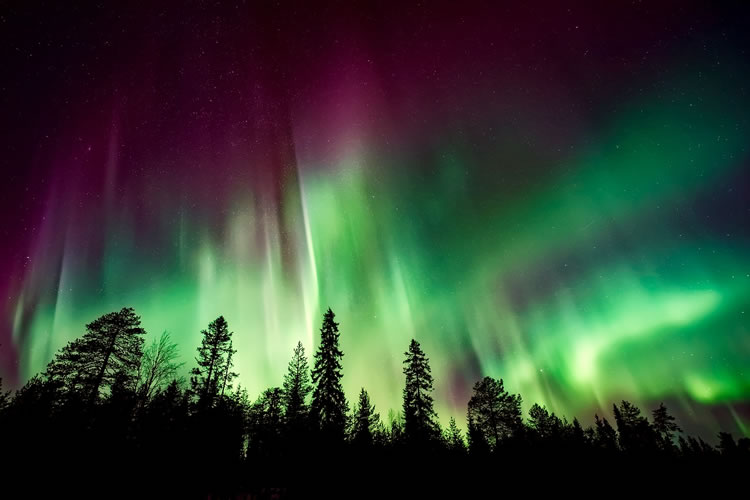
Dreaming of witnessing the spectacular Northern Lights but don’t want to travel internationally? You’re in luck. Alaska has long been America’s premier destination for aurora viewing, and recent years have brought even more opportunities to catch this natural phenomenon across the United States.
Why Fairbanks, Alaska Remains the Best U.S. Destination for Northern Lights
While the aurora borealis can be spotted throughout Alaska, Fairbanks stands out as one of the world’s premier locations for experiencing this celestial show. This historic gold rush town sits directly under the Auroral Oval, the ring-shaped zone hovering over the North Pole where auroras are most frequently visible.
Understanding the Aurora Borealis: Science Meets Spectacle
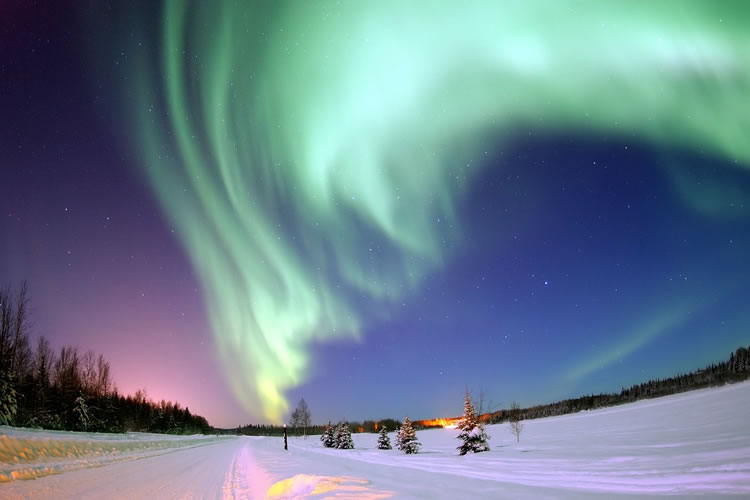
These mesmerizing waves of green, yellow, blue, and occasionally red lights aren’t just beautiful, they’re the result of fascinating natural science. The aurora occurs when solar particles collide with Earth’s magnetic field more than 60 miles above the surface. The phenomenon was so mystical that Alaska Natives believed the lights were made up of dancing spirits of their ancestors.
According to NASA research, these spectacular light shows are driven by electromagnetic energy in Earth’s magnetosphere.
Recent Solar Activity Has Increased Aurora Viewing Opportunities
One of the most exciting developments for aurora enthusiasts is that solar activity has intensified over the past few years. The sun entered a particularly active phase of its 11-year solar cycle, resulting in more frequent and powerful geomagnetic storms. This means the Northern Lights have been visible much farther south than usual, with sightings reported as far as the northern United States, including states like Montana, North Dakota, Minnesota, and even occasionally Wisconsin and Michigan.
The NOAA Space Weather Prediction Center tracks these solar events and provides aurora forecasts that can help you plan your viewing experience. During strong geomagnetic storms, aurora displays can be visible across a much wider geographic area than typical.
Best Time to See the Northern Lights in Alaska
Peak viewing season occurs during the darkest winter months when temperatures can plunge well below freezing. However, if frigid weather isn’t your preference, don’t worry. Aurora borealis season in Alaska runs from August 21 through April 21, giving you flexibility to plan your visit during milder conditions.
For those planning a winter getaway, proper preparation is essential to stay comfortable while aurora hunting.
The Alaska Railroad Aurora Experience: A Unique Journey
For an unforgettable adventure, consider the Alaska Railroad Aurora trip. This weeklong journey from Anchorage to Fairbanks combines the magic of train travel with Alaska’s winter wonderland.
The experience includes:
- Scenic rail travel through Alaska’s stunning winter landscapes
- Visits to charming Alaskan towns along the route
- Traditional sled dog tours
- Relaxation at Chena Hot Springs, where you can soak under the aurora-lit sky
Tours start at $1,479, and you can find more information here.
Planning Your Northern Lights Adventure
Whether you’re considering Alaska or hoping to catch a rare aurora display closer to home, here are essential tips for your aurora hunting experience:
Check Aurora Forecasts
Monitor the University of Alaska Fairbanks Geophysical Institute Aurora Forecast for real-time predictions and viewing conditions.
Escape Light Pollution
Just like stargazing, aurora viewing requires dark skies. Get away from city lights for the best visibility. If you’re planning a road trip to remote locations, preparation is key.
Dress Appropriately
Alaska winters demand serious cold-weather gear. Layer up with thermal underwear, insulated outerwear, warm boots, gloves, and hats.

Be Patient
Aurora displays are natural phenomena and can be unpredictable. Plan to spend several nights in your chosen location to increase your chances of a spectacular show.
Beyond Alaska: Northern Lights in the Lower 48
Thanks to increased solar activity, aurora chasers in the continental United States have had unprecedented opportunities in recent years. While sightings aren’t guaranteed, strong geomagnetic storms have made the Northern Lights visible across northern tier states.
If you’re based in the Philadelphia area or other mid-Atlantic locations, significant solar events occasionally allow aurora viewing even from these latitudes, though these instances remain rare and require both powerful solar activity and clear, dark skies.
Combining Your Aurora Trip with Other Adventures
An Alaska trip offers more than just aurora viewing. Consider extending your adventure to explore the state’s natural wonders, wildlife, and unique culture. For travel inspiration, check out our guides on planning memorable getaways and staying healthy while traveling.
Final Thoughts: Your Northern Lights Journey Awaits
No passport needed, no international flights required. Alaska offers Americans easy access to one of nature’s most spectacular displays. With recent increases in solar activity expanding aurora viewing opportunities and a range of trip options from luxury rail journeys to independent adventures, there’s never been a better time to plan your Northern Lights experience.
Whether you’re soaking in hot springs under the aurora, riding the Alaska Railroad through winter landscapes, or simply standing in awe under the dancing lights, the Northern Lights in Alaska promise a truly magical experience that will create memories to last a lifetime.
Ready to start planning? Check out our essential packing tips and budget travel strategies to make your aurora adventure unforgettable.

Better Living may earn commissions through affiliate links and may occasionally feature sponsored or partner content. If you make a purchase through our links, we may receive a small commission at no cost to you.