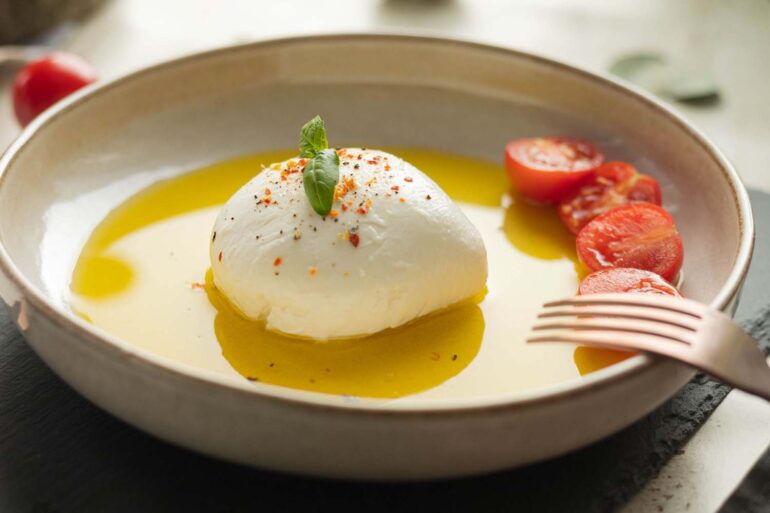
The short answer: Yes, and considerably faster than most cheeses. Burrata is a fresh, unaged cheese made of a thin mozzarella shell wrapped around stracciatella, a filling of shredded mozzarella curd mixed with
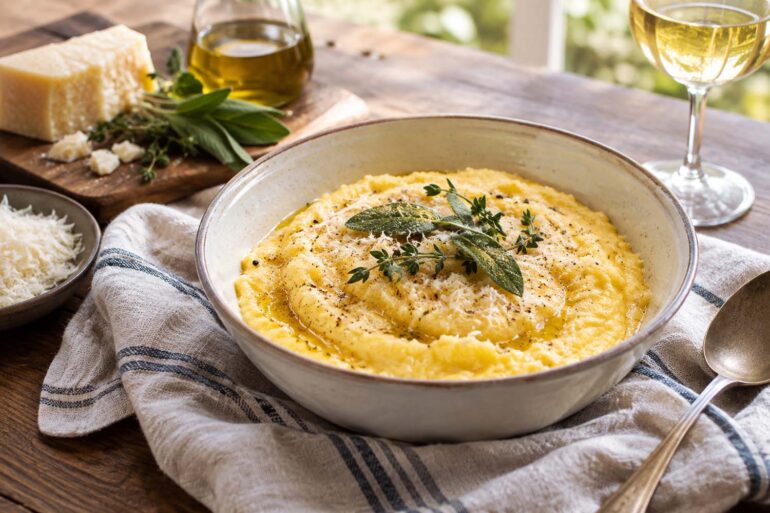
The short answer: Yes, but how depends entirely on which form you have. Dry polenta meal is essentially coarse cornmeal and is shelf-stable for a long time in a sealed, dry pantry, generally longer if it's degerminated and
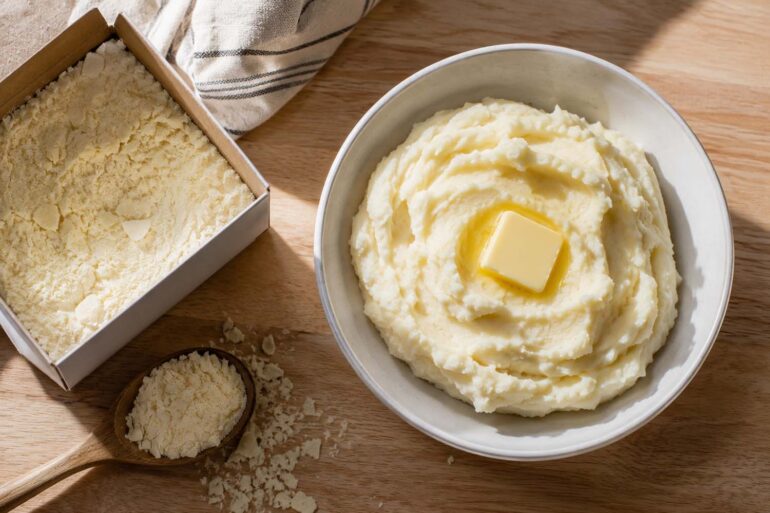
The short answer: Dry potato flakes are shelf-stable and commonly stay usable well past their printed date if kept dry and sealed, with total shelf life commonly ranging from about 6 months to
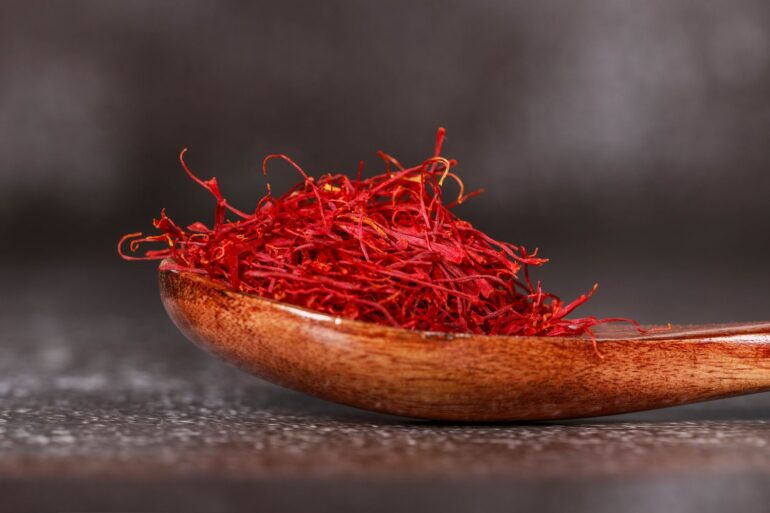
The short answer: Saffron does not spoil the way perishable food does, since it is extremely low in moisture and fat, but it does gradually lose the color, aroma, and flavor that make it worth
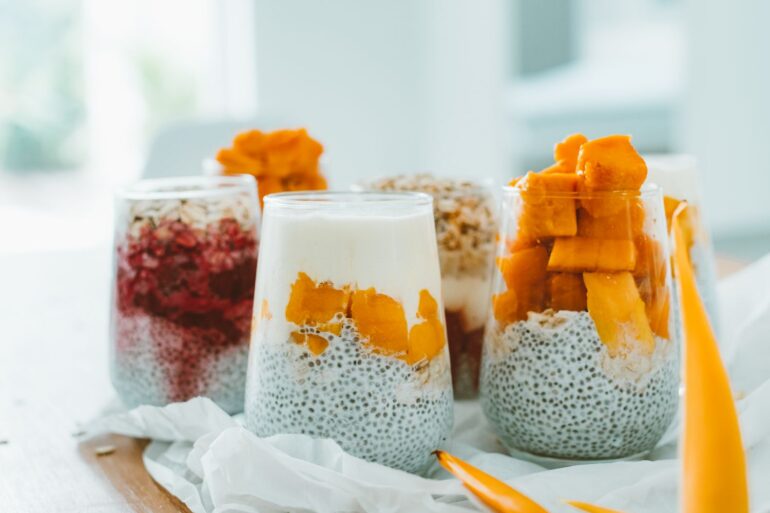
The short answer: Yes, chia seeds go bad, but they do it far more slowly than most seeds and nuts thanks to a naturally high antioxidant content that protects their oil from oxidation. University extension guidance puts a typical shelf life at
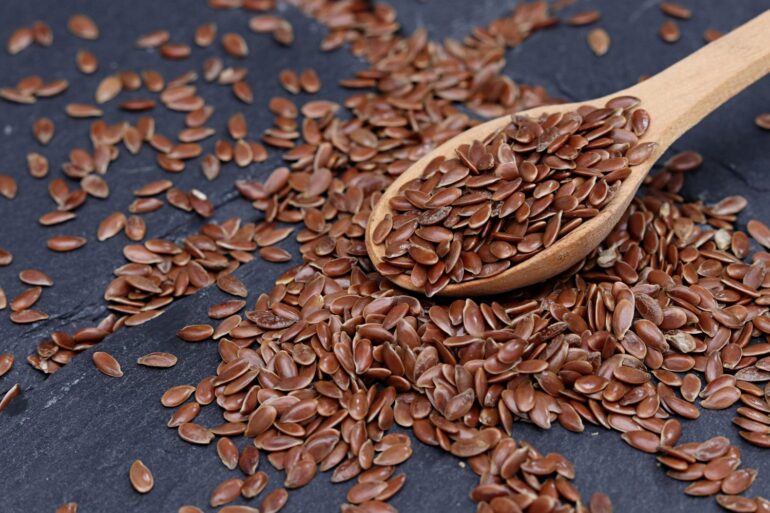
The short answer: Yes, flaxseeds go bad, though whole seeds hold up far longer than ground flaxseed does. Whole flaxseeds stored in an airtight container away from light typically last 1 to 2 years at
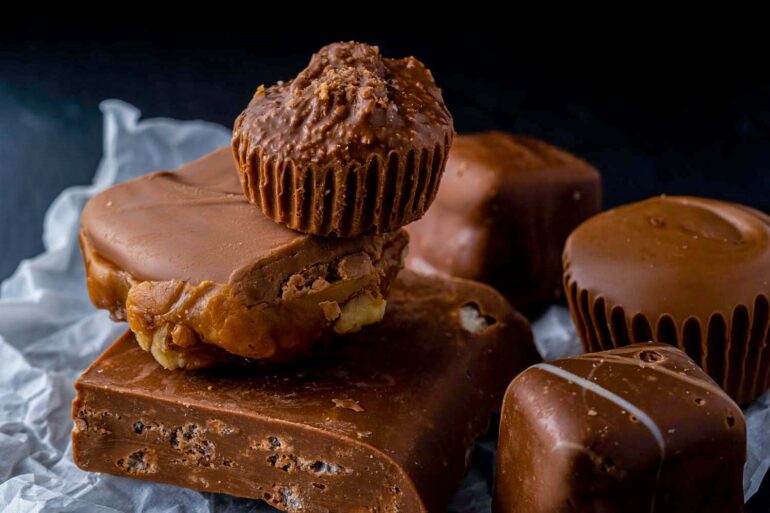
The short answer: Rarely, and almost never dangerously. Dark chocolate can last up to two years properly stored, milk chocolate lasts about a year, and white chocolate, which has no cocoa solids to help protect it, is the
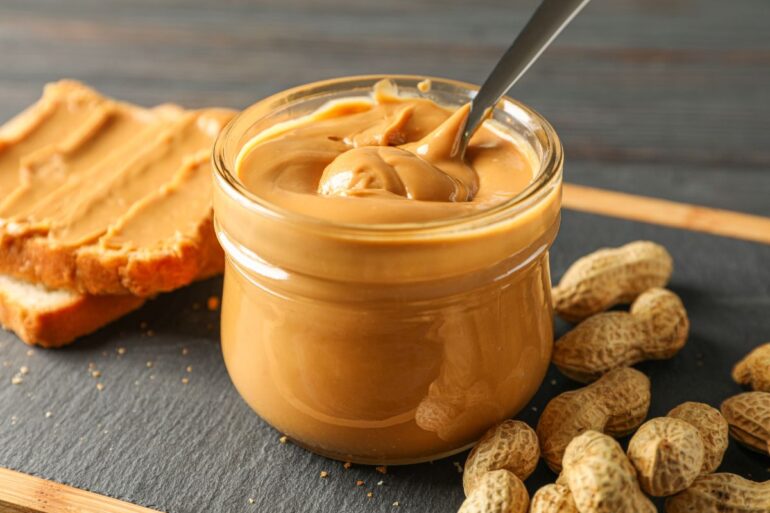
The short answer: Yes, but slowly. Peanut butter's low moisture and high fat content make it naturally resistant to bacterial spoilage, so what actually happens over time is oxidation of the oil, which turns the peanut flavor stale and
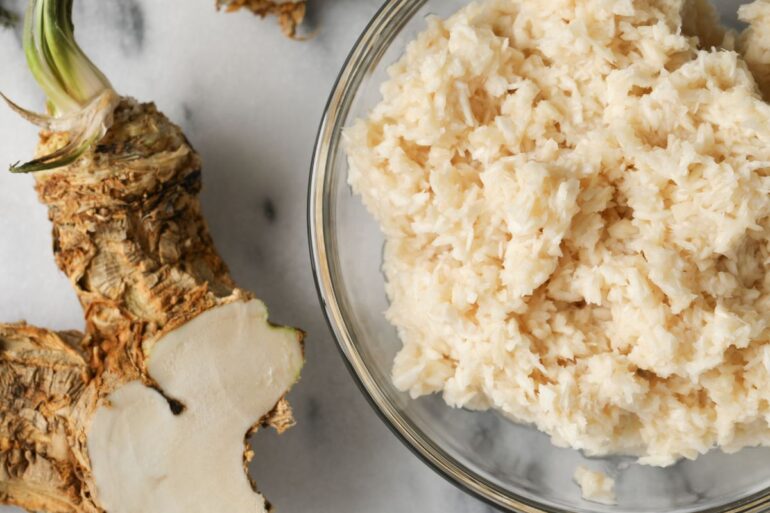
The short answer: Yes, but the more common issue is losing its heat rather than becoming unsafe. Horseradish's pungency comes from a volatile compound that forms the moment the root is cut or grated and fades on its own within
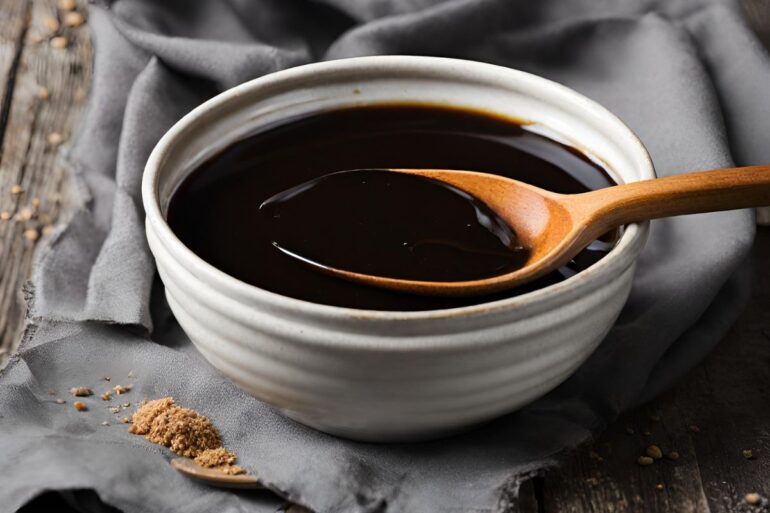
The short answer: Rarely in a dangerous sense, but it does have a real quality timeline. Kansas State University Extension data, adapted from USDA's FoodKeeper guidance, puts molasses at about
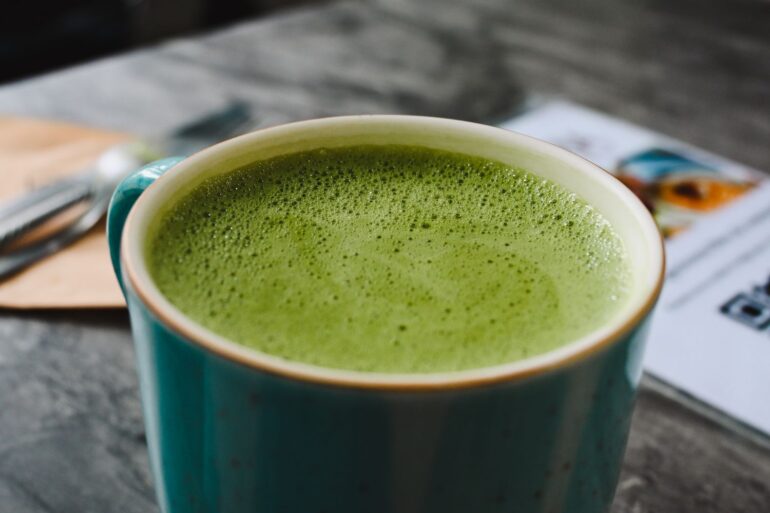
The short answer: Not in a dangerous way, but it fades quickly. Per well-known matcha brands, an unopened tin typically has a shelf life of about a year. Once opened, matcha is best used within
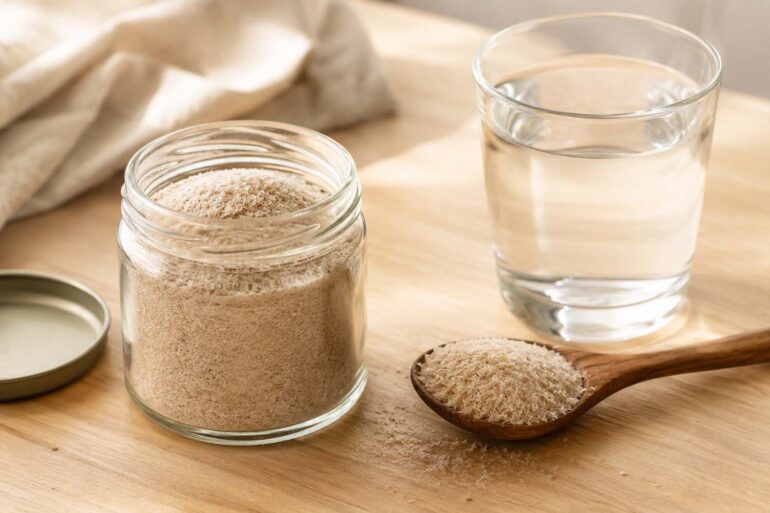
The short answer: Not easily. Psyllium husk is a dried, low-moisture fiber, so it's naturally resistant to spoilage and typically stays usable for 2 to 3 years unopened, or 1 to 2 years for ground powder, which degrades faster than