
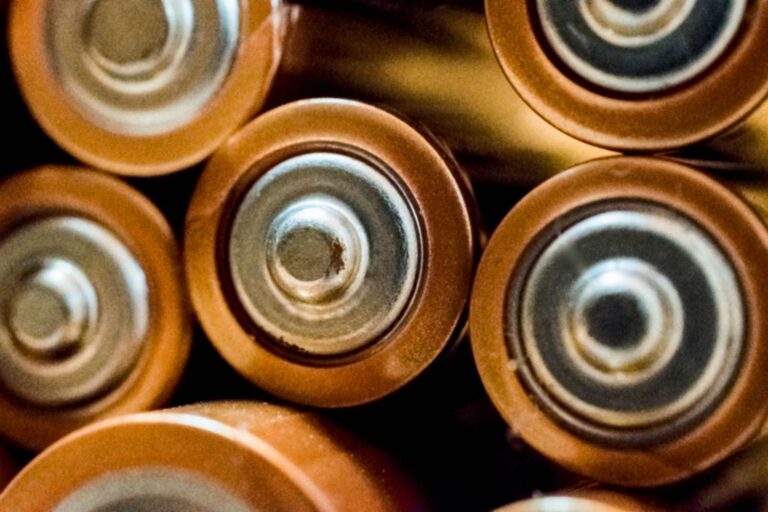
You dig through the junk drawer for AA batteries and find a pack that’s been there since who knows when. No corrosion, no leaking, but you’re not sure if they’ll actually power anything. Do batteries go bad?
The short answer: Yes, all batteries lose capacity over time, even sitting unused in the package, but how fast depends entirely on the chemistry. Alkaline batteries typically last 5 to 10 years in storage. Lithium primary batteries (the coin cells and CR123A-style batteries in cameras, key fobs, and smoke detectors) can last 10 to 15 years or more. Rechargeable batteries age faster and lose the ability to hold a full charge even when they’re never used.
Batteries are also a big part of home fire safety, since dead or damaged ones are a common culprit. See our home fire prevention tips for more on that side of it.
Key Takeaways
- Alkaline batteries (AA, AAA, 9V): Last 5 to 10 years in storage, losing roughly 2 to 3% of their charge per year.
- Lithium primary batteries (CR2032, CR123A): Last 10 to 15 years, sometimes longer, with a very low self-discharge rate.
- Rechargeable NiMH batteries: Last 2 to 7 years and lose charge much faster in storage, often within weeks to months of being fully charged.
- Rechargeable lithium-ion batteries: Age chemically even when unused, typically lasting 2 to 4 years before capacity noticeably declines.
- Leaking, swollen, corroded, or hot batteries should never be used, and should be handled carefully.
- Never throw rechargeable or lithium batteries in regular household trash. They need proper recycling due to fire risk. Standard alkaline batteries are trash-safe in most states, but not all.
Why “Do Batteries Expire” Depends Entirely on the Chemistry
Every Battery Self-Discharges, Just at Different Speeds
Every battery loses a small amount of charge over time even when it’s just sitting in a drawer, a process called self-discharge. Alkaline batteries usually last 5 to 10 years, while lithium primary batteries can last 10 to 15 years if stored properly, with rechargeable batteries experiencing calendar aging even when unused.
Alkaline batteries (your standard AA, AAA, C, D, and 9V) self-discharge slowly, on the order of 2 to 3% of their capacity per year under good storage conditions, though the rate isn’t perfectly linear and depends heavily on temperature. In practice, that means a battery that’s been sitting for 5 to 10 years has lost a meaningful chunk of its capacity, sometimes as much as half by the decade mark, but it can often still power a low-drain device like a remote or wall clock.
Lithium primary batteries, the non-rechargeable kind used in cameras, glucose meters, and smoke detectors, have an extremely low self-discharge rate and a wide temperature tolerance, which is why they’re the standard choice for devices that sit in standby for years.
Rechargeable batteries are a different story entirely. NiMH batteries lose charge much faster in storage, sometimes noticeably within weeks, which is why a rechargeable battery you charged months ago and never used often needs a fresh charge before it’ll power anything. Lithium-ion rechargeables age through internal chemical breakdown regardless of use, so a battery pack sitting in a drawer for years will have measurably less capacity than a fresh one even if it was never charged or discharged.
How Long Different Batteries Actually Last
| Battery Type | Typical Shelf Life | Self-Discharge Rate |
|---|---|---|
| Alkaline (AA, AAA, C, D, 9V) | 5 to 10 years | ~2 to 3% per year |
| Lithium primary (CR2032, CR123A) | 10 to 15 years | Very low |
| Rechargeable NiMH | 2 to 7 years (device life) | High; loses charge in storage within weeks |
| Rechargeable lithium-ion | 2 to 4 years | Ages even when unused |
Signs a Battery Has Gone Bad
When to Stop Using a Battery
White, crusty residue around the terminals is a classic sign of a leaking alkaline battery. That residue is potassium hydroxide, which is corrosive to skin and to the device’s contacts. Wear gloves if you need to remove a leaking battery.
Swelling or bulging is especially serious in lithium-ion rechargeables. A swollen battery indicates internal gas buildup and is a genuine fire risk. Don’t puncture, charge, or continue using a swollen battery.
Corrosion on the device’s contacts, even if the battery itself looks fine, means leakage has already started or previously occurred.
The battery feels warm or hot without being in use or charging. This is not normal and shouldn’t be ignored, particularly for rechargeables.
A device that won’t power on, drains unusually fast, or shows a low-battery warning immediately after a fresh set is installed, especially if it’s an old battery pulled from storage.
Never mix old batteries with new ones, or different brands and chemistries, in the same device. The mismatch in output can cause the weaker battery to leak.
How to Store Batteries So They Last
Storage Best Practices
Store at room temperature, not in the refrigerator or freezer. Refrigerating batteries is a common myth; it doesn’t meaningfully extend shelf life, and condensation when you bring them back to room temperature can actually cause corrosion.
Keep them in their original packaging or a dedicated battery storage case, rather than loose in a drawer where the terminals can touch metal objects like keys or coins and short out.
Keep positive and negative ends separated from loose metal to prevent accidental short-circuiting, which can drain the battery or, in rare cases, cause overheating.
For rechargeables you’re not using regularly, store lithium-ion batteries at roughly 40 to 60% charge rather than fully charged or fully dead, and check on stored NiMH batteries periodically since they lose charge faster.

Check devices you don’t use often, like remotes, flashlights, and smoke detectors, every few months, and remove batteries entirely from anything that will sit unused for a long stretch, like a seasonal decoration or a spare remote.
How to Dispose of Old Batteries Safely
Standard single-use alkaline batteries made after the mid-1990s are mercury-free, and federal law classifies them as non-hazardous, so most states allow them in regular household trash. California is the clearest exception: the state’s Department of Toxic Substances Control classifies all batteries, alkaline included, as universal waste, so they can’t go in the trash or curbside recycling bin there and must go to a battery drop-off or household hazardous waste site. A growing list of other states and cities, including Vermont and parts of the Northeast, have their own restrictions or upcoming producer-funded recycling programs, so it’s worth a quick check of your city or state’s rules rather than assuming.
Rechargeable batteries of any kind, along with all lithium and lithium-ion batteries, should never go in household trash anywhere in the U.S. They carry a real fire risk if crushed or punctured in a garbage truck or landfill, which is a documented cause of waste-facility fires. Retailers like Best Buy, Home Depot, and Lowe’s typically have battery drop-off bins near the entrance, and Call2Recycle maintains a locator for battery recycling sites nationwide. If a lithium or lithium-ion battery is swollen, damaged, or leaking, tape over the terminals, place it in a non-flammable container, and take it to a hazardous waste or battery recycling location as soon as possible rather than storing it.
Frequently Asked Questions
Do batteries expire if they’re never used?
Yes. Every battery self-discharges over time, even sealed in its original packaging. Alkaline batteries typically last 5 to 10 years in storage, lithium primary batteries can last 10 to 15 years, and rechargeable batteries lose usable capacity the fastest of all, sometimes within just a few years of sitting unused.
Is it safe to use old batteries past their date?
Usually, as long as they show no signs of leaking, swelling, or corrosion. An old alkaline battery may just deliver less power or run out faster in a low-drain device. Always inspect a battery before using it, and never use one that’s leaking, bulging, cracked, or unusually warm.
Should I keep batteries in the refrigerator to make them last longer?
No, this is a myth. Refrigeration doesn’t meaningfully extend battery shelf life, and moving batteries between cold storage and room temperature can cause condensation that leads to corrosion. Store batteries at normal room temperature in a dry place instead.
Further Reading
- Does WD-40 Go Bad?
- Does Rubbing Alcohol Go Bad?
- Does Hydrogen Peroxide Go Bad?
- Home Fire Prevention Tips

Better Living may earn commissions through affiliate links and may occasionally feature sponsored or partner content. If you make a purchase through our links, we may receive a small commission at no cost to you.