
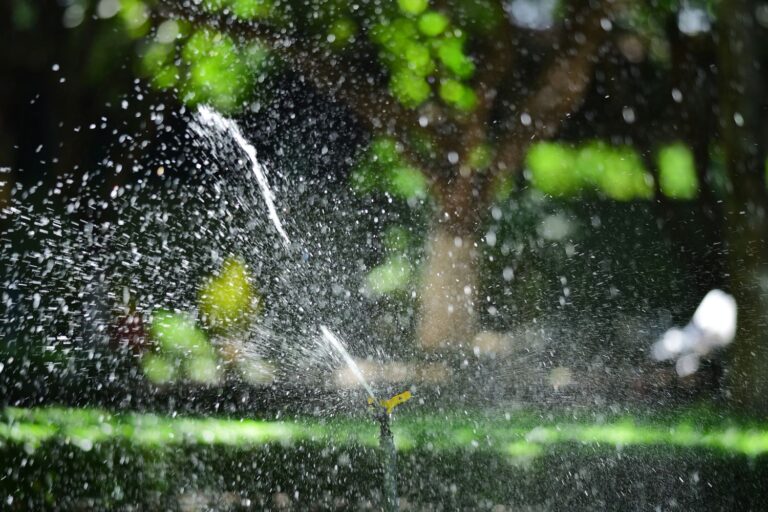
A healthy lawn can go from lush to stressed quickly. Between heat, sandy soil, seasonal rain, and watering restrictions, irrigation systems have a lot to handle. Keeping your sprinklers working properly is not just about appearance. It also affects water use, landscape health, and how much time you spend dealing with leaks, dry patches, and uneven coverage.
Understanding the early warning signs, knowing which repairs you can handle yourself, and recognizing when a problem requires professional attention can help you protect both your yard and your water bill.
Spot the Early Signs of Sprinkler Trouble
Sprinkler problems rarely begin with a dramatic leak or a broken pipe spraying across the yard. More often, the first signs are subtle. You may notice one patch of grass staying dry while another remains unusually wet. Your water bill may rise without an obvious reason. A sprinkler head may sputter, spray in the wrong direction, or fail to pop up properly.
These symptoms can point to common problems such as:
- Clogged nozzles
- Broken sprinkler heads
- Valve problems
- Underground pipe leaks
- Low water pressure
- Controller or timer issues
Roots, shifting soil, lawn equipment, and ordinary wear can also damage irrigation components over time.
Even a small leak can waste a significant amount of water if it continues unnoticed. Uneven watering may also stress grass and landscaping, leaving some areas oversaturated while others do not receive enough moisture. Outdoor leaks can also creep toward your foundation if left unchecked, which is one of the risks covered in our guide on how to prevent water damage before it starts.
Catching the problem early can make the repair simpler and help prevent unnecessary water loss.
Know What Commonly Goes Wrong
A sprinkler system may look simple from the surface, but several components have to work together for it to operate properly.
Water moves through underground pipes and valves before reaching individual sprinkler heads. Controllers or timers determine when each zone runs, while pressure and nozzle design affect how water is distributed across the landscape.
Common problems include:
- Cracked or damaged sprinkler heads
- Nozzles blocked by dirt or debris
- Valves that remain open or fail to activate
- Leaking underground lines
- Faulty wiring
- Controller or timer malfunctions
- Heads that become misaligned
- Pressure problems affecting an entire zone
The visible symptom does not always reveal the actual cause. For example, a sprinkler head that does not rise may be damaged, but it could also be affected by low pressure elsewhere in the system. A dry area may result from a clogged nozzle, incorrect head placement, or a leak reducing flow to the zone.
That is why proper troubleshooting matters. Replacing the first part that looks suspicious does not always solve the underlying problem.
Know When to DIY and When to Call for Help
Some sprinkler repairs are reasonable DIY projects when the issue is obvious and limited. Cleaning a clogged nozzle, adjusting the direction of a spray head, or replacing a visibly broken sprinkler head may be manageable for homeowners who are comfortable working with the system.
Before making any repair, make sure you understand which zone you are working in and shut off the water when necessary. Other problems are harder to diagnose.
If a valve box remains flooded, an entire zone stops working, water pressure suddenly drops, or you suspect an underground leak, the source may not be visible from the surface.
For more complex problems, homeowners may consider professional Sunrise sprinkler system repair when dealing with hidden leaks, pressure loss, valve issues, wiring problems, or controller malfunctions that are difficult to diagnose from the surface.
Professional troubleshooting can also help prevent unnecessary part replacement when several components are producing similar symptoms.
Reduce Water Waste and Improve Coverage
A working sprinkler system should do more than turn on at the scheduled time. It should distribute water efficiently across the landscape.
Spray heads aimed at driveways, sidewalks, fences, or walls waste water without helping the lawn. Broken heads and leaking lines can create the same problem below ground, where the loss may be harder to notice. Controller settings matter, too.
Running a system for the same length of time throughout the year may not make sense when rainfall and temperature change seasonally. Adjusting irrigation schedules can help reduce unnecessary watering during wetter periods.
Coverage should also match the needs of different parts of the landscape. Grass, shrubs, planting beds, and other areas may not require identical amounts of water.
A well-calibrated irrigation system helps direct water where it is actually needed instead of simply running longer. That can support healthier landscaping while reducing waste.
Ask the Right Questions Before Hiring a Pro
Not every sprinkler repair visit involves the same level of troubleshooting. Some providers may focus only on the obvious broken component. Others evaluate the larger zone or system to determine whether the visible problem is connected to pressure, wiring, valves, leaks, or controller settings.
Before hiring someone, ask practical questions such as:
- Will the full zone be inspected?
- Can they test for pressure problems or underground leaks?
- Do they troubleshoot controllers and wiring?
- Will they explain what caused the problem?
- Will they check spray coverage after the repair?
- Can they identify other components that may be close to failing?
Clear communication matters because you should understand what was repaired and why.
If a company recommends several replacements, ask whether each one is necessary to solve the current problem or whether some are preventive suggestions.

A good repair should leave you with a system that works more consistently, not simply a new part installed in the same failing setup.
Use Routine Checks to Prevent Repeat Problems
A sprinkler system is easier to maintain when you pay attention between breakdowns. You do not need advanced irrigation knowledge to spot basic changes, and the same habit of noticing small changes applies elsewhere in the house too, as covered in our guide on simple observations that help catch problems in your house. Occasionally run each zone while you are outside and watch how the system performs.
Look for:
- Heads spraying in the wrong direction
- Water pooling around valves or underground lines
- Dry areas that repeatedly return
- Sudden changes in water pressure
- Overspray onto sidewalks, fences, or walls
- Heads that fail to rise or retract
- Zones that continue running when they should stop
Seasonal changes deserve attention as well.
Rainfall, temperature, new landscaping, tree growth, or changes to planting beds can affect how much irrigation different parts of your yard need.
Adjusting the controller and checking coverage periodically can help the system continue working efficiently as the landscape changes.
Routine observation also gives you a better chance of catching small leaks or damaged heads before they create larger problems.
Keep Small Problems From Becoming Bigger Ones
A sprinkler system is easiest to manage when you catch changes early. Dry patches, pooling water, low pressure, damaged heads, or inconsistent coverage are all signs worth investigating before they become larger problems.
Start with simple checks such as clogged nozzles, broken heads, controller settings, and obvious leaks. These issues may be straightforward to correct when they are isolated.
If the problem involves underground lines, valves, wiring, pressure loss, repeated failures, or a controller that is not operating properly, professional diagnosis may save time and reduce unnecessary repairs.
Regular system checks, seasonal adjustments, and prompt repairs can also help reduce water waste while keeping your landscape healthier.
The goal is not simply to keep every sprinkler running. It is to make sure the system delivers the right amount of water to the areas that actually need it. When your irrigation system works efficiently, your lawn and landscaping are easier to maintain, water use stays under control, and small problems are less likely to turn into expensive repairs.

Better Living may earn commissions through affiliate links and may occasionally feature sponsored or partner content. If you make a purchase through our links, we may receive a small commission at no cost to you.