
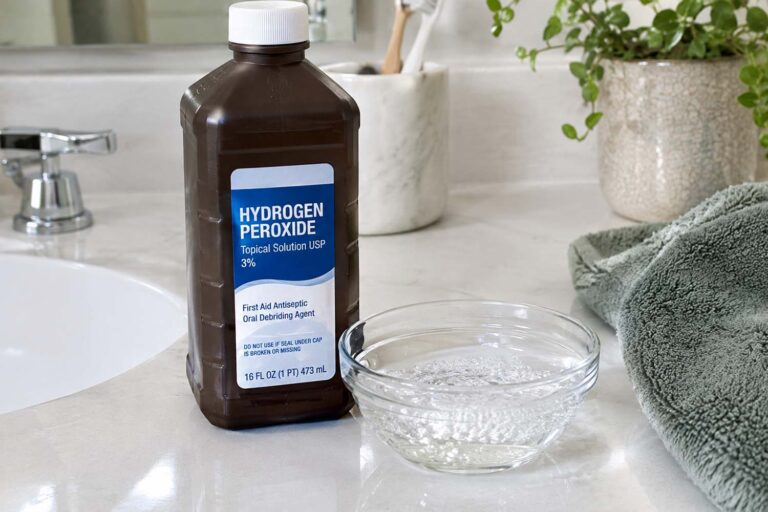
You grab the brown bottle of hydrogen peroxide from the medicine cabinet, pour a little into a sink or onto a stain, and… nothing. No fizz, no bubbles, just a quiet, unsatisfying trickle. Does hydrogen peroxide go bad?
The short answer: Yes, and it happens whether you use it or not. Hydrogen peroxide is chemically unstable by nature. It constantly breaks down into water and oxygen gas, even sealed in the bottle on your shelf. An unopened bottle stored in a cool, dark place typically lasts 1 to 3 years. Once opened, exposure to air, light, and contamination speeds up the breakdown, and it’s often noticeably weaker within 1 to 6 months.
Hydrogen peroxide also shows up in a lot of natural, non-toxic cleaning recipes, where a flat bottle will quietly under-perform without you realizing why.
Key Takeaways
- Unopened bottle: Lasts 1 to 3 years in a cool, dark spot. Standard 3% household peroxide loses potency slowly while sealed, faster once exposed to light or air.
- Opened bottle: Usually noticeably weaker within 1 to 6 months, since air and light speed up the breakdown.
- The fizz test is the fastest way to check it: pour a little into a drain or onto a small stain. Vigorous bubbling means it’s still active. Little to no fizzing means it’s essentially spent.
- Expired peroxide isn’t dangerous. It decomposes into plain water and oxygen, so “bad” peroxide is really just weak, watered-down peroxide, not a spoiled or hazardous product.
- Light is the biggest enemy. That’s why it’s sold in brown or opaque bottles. Clear containers or direct sunlight speed up decomposition significantly.
- Higher concentrations (10%+) decompose faster and need more careful storage than the standard 3% drugstore bottle.
- It’s no longer the go-to for wound care. Current medical guidance has moved away from hydrogen peroxide for cleaning cuts and scrapes, since it can irritate skin and slow healing. It still has a place for household disinfecting and cleaning.
A Note on Wound Care
Hydrogen peroxide has a long history as a first-aid staple, but that’s changed. The Cleveland Clinic now generally advises against using it to clean cuts and scrapes, since it can damage healthy tissue along with bacteria and may slow healing rather than help it. For minor wounds, plain soap and water or saline is the more current recommendation, followed by a clean bandage. Hydrogen peroxide’s real strengths today are household disinfecting, cleaning, and stain removal, which is what this guide focuses on.
Why Hydrogen Peroxide Breaks Down Even When You Don’t Touch It
An Unstable Molecule by Design
Hydrogen peroxide (H₂O₂) is essentially water with one extra oxygen atom attached, and that extra atom doesn’t want to stay put. As The Franklin Institute explains, hydrogen peroxide naturally decomposes over time, and that breakdown speeds up significantly when the solution is exposed to light, which is why sealed bottles kept in the dark hold their strength far longer than ones left out.
Three things accelerate the breakdown: light, heat, and contamination. Ultraviolet light splits the molecule directly, which is why peroxide always ships in brown or opaque bottles rather than clear glass. Higher temperatures speed up the decomposition reaction. And introducing anything into the bottle, like dipping in a used cotton ball or leaving the cap off, introduces trace contaminants that act as catalysts and speed the breakdown further.
This is also why “expired” peroxide isn’t hazardous. The decomposition products are just water and oxygen gas. A bottle that’s lost its punch hasn’t turned into something dangerous, it’s essentially turned into flavored water. The only downside is that it no longer does what you bought it for.
The Fizz Test: How to Check If Yours Still Works
You don’t need a lab to check hydrogen peroxide potency. Pour a small amount into a sink drain, onto a stain, or onto any surface with a bit of organic residue. Fresh, active peroxide reacts immediately and produces a visible fizz of tiny oxygen bubbles. If you see strong, sustained bubbling, it’s still working. If you get a faint fizz or nothing at all, the peroxide has decomposed to the point of being mostly inert, and it’s time to replace the bottle.
Signs Your Hydrogen Peroxide Has Gone Flat
When to Toss It
No fizzing or bubbling when applied to a stain or poured into a drain. This is the clearest sign the active peroxide content has broken down.
Past the printed expiration date, especially if the bottle has been opened. Manufacturers typically print a date roughly a year or two out from bottling.
Stored in a clear container or somewhere sunny. If you transferred it out of its original brown bottle or left it on a sunny windowsill, assume it’s decomposed faster than the label date suggests.
Bottle feels unusually soft or has lost its seal integrity over a long storage period, which can also let more air in and speed decomposition.
There’s no smell test for hydrogen peroxide the way there is for milk or rubbing alcohol. Peroxide has almost no odor either fresh or expired, so the fizz test is genuinely the only reliable at-home check.
How to Store Hydrogen Peroxide So It Lasts
Storage Best Practices
Keep it in its original brown or opaque bottle. This is the single biggest factor in shelf life. Never transfer it to a clear container for storage.
Store in a cool, dark place like a closed medicine cabinet, away from direct sunlight and away from heat sources like a radiator or a sunny windowsill.
Recap it tightly immediately after use. Every extra second the bottle sits open lets more air in and speeds up the breakdown.
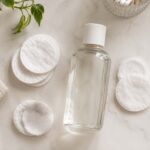
Never dip a used cotton ball or swab back into the bottle. Pour a small amount into a separate cup instead. Contamination from skin or used applicators dramatically speeds decomposition.
Buy smaller bottles if you use it infrequently, since a bottle that sits mostly full and rarely opened for years will still slowly lose potency even if you’re careful.
Disposing of Old Hydrogen Peroxide Safely
Standard 3% household hydrogen peroxide is one of the easiest things in your cabinet to dispose of safely. Since it naturally breaks down into water and oxygen, you can pour a flat or expired bottle down the drain with running water, no special hazardous waste handling needed at this concentration. Higher-strength peroxide, like the 10% or higher solutions sometimes used for hair treatments or gardening, should be diluted significantly before pouring, and very high concentrations (30%+, sometimes sold for specialty uses) are best taken to a household hazardous waste facility rather than poured out, since they’re more reactive and can be corrosive.
Frequently Asked Questions
Does hydrogen peroxide expire?
Yes. It’s chemically unstable and constantly decomposes into water and oxygen, even sealed and unopened. A sealed bottle stored in a cool, dark place lasts 1 to 3 years; once opened, it typically loses meaningful strength within 1 to 6 months as light and air speed up the breakdown.
Is expired hydrogen peroxide dangerous to use?
No. Expired peroxide isn’t hazardous, it’s just weak. Since it decomposes into plain water and a small amount of oxygen gas, using an old bottle won’t hurt you, it simply won’t disinfect, bleach, or lift stains as effectively as a fresh one for cleaning tasks.
Why does my hydrogen peroxide come in a brown bottle?
Light, especially UV light, directly breaks apart the hydrogen peroxide molecule and speeds up decomposition. The brown or opaque bottle blocks most of that light exposure, which is a major reason household peroxide lasts as long as it does. Storing it in a clear container noticeably shortens its useful life.
Further Reading
- Does Rubbing Alcohol Go Bad?
- Does WD-40 Go Bad?
- Do Batteries Go Bad?
- 18 DIY Natural, Non-Toxic Cleaning Recipes

Better Living may earn commissions through affiliate links and may occasionally feature sponsored or partner content. If you make a purchase through our links, we may receive a small commission at no cost to you.