
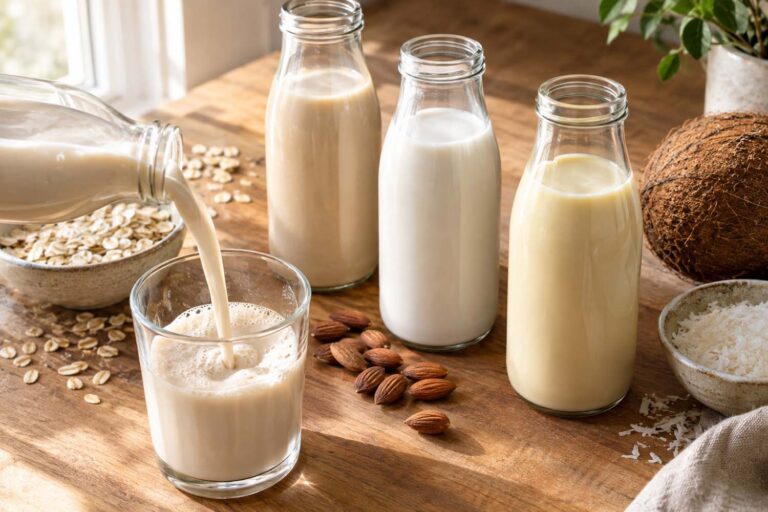
Walk down any grocery store aisle these days, and the sheer variety of dairy free milk options might catch anyone off guard. What was once a small section dominated by a single soy carton has transformed into a sprawling display of oat, almond, coconut, cashew, and countless other plant-based choices. For those curious about what makes each option distinct or anyone simply tired of the same old routine, there has never been a better time to explore, and understanding what’s actually in the carton matters as much as how it tastes.
Why So Many Options Exist Now
What makes the current moment remarkable is the sheer diversity available. Unlike a decade ago, when alternatives often tasted thin or left an unusual aftertaste, today’s options have improved dramatically in both flavor and texture. Manufacturers have figured out how to create beverages that froth for lattes, pour smoothly into recipes, and taste satisfying on their own.
Breaking Down the Most Popular Varieties
Each plant-based beverage brings something unique to the table. Understanding these differences can help anyone find a fit that works for their preferences and daily habits.
Soy-Based Beverages
Soy has been around the longest in the non dairy space, and for good reason. It offers a creamy consistency that closely mimics traditional milk, making it versatile for cooking, baking, and drinking straight. The neutral flavor profile means it blends well into smoothies and protein shakes without competing with other ingredients.
Oat-Based Beverages
Oat options have surged in popularity, particularly among coffee enthusiasts. The naturally sweet taste and thick texture make them excellent for steaming and frothing. Baristas often reach for oat varieties when crafting plant-based cappuccinos and lattes because they hold their foam remarkably well.
Almond-Based Beverages
Lighter and slightly nutty, almond beverages work well for those who prefer something less heavy. They tend to have a thinner consistency compared to soy or oat, which some find refreshing. Unsweetened versions have become particularly popular among people watching their sugar intake.
Coconut-Based Beverages
Coconut varieties bring a tropical twist that works beautifully in certain applications. Curries, smoothie bowls, and tropical-inspired recipes often benefit from that subtle coconut undertone. The richness varies widely between brands, with some offering a lighter drinking experience and others leaning into that full coconut cream flavor.
Cashew and Other Nut Varieties
Cashew beverages tend to be incredibly smooth and work well in creamy sauces or desserts. Hemp, macadamia, and even pistachio options have also entered the market for those seeking something truly different. These specialty varieties often appear in coffee shops catering to adventurous palates.
Everyday Uses That Might Surprise You
Beyond pouring over cereal or into coffee, non dairy beverages have found their way into countless kitchen applications that people might not immediately consider.
Baking Adventures
Many baked goods translate seamlessly when using plant-based alternatives, and most recipes calling for dairy milk can swap in a plant-based version at a simple 1:1 ratio without adjusting anything else. Muffins, pancakes, and quick breads often turn out just as fluffy and tender. The key lies in matching the beverage’s flavor profile to the recipe. Vanilla-flavored oat varieties can add a subtle sweetness to French toast batter, while unsweetened soy works better in savory applications like quiche, where a sweetened beverage would throw off the balance.
Savory Cooking
Creamy soups, mashed potatoes, and pasta sauces all adapt well to non dairy beverages. A splash of unsweetened cashew or soy can create the same silky texture that butter and cream provide. Some home cooks have discovered that certain plant-based options actually enhance dishes by adding a slight nuttiness that complements vegetables and grains. Unsweetened varieties matter most here: a vanilla or sweetened beverage in a savory dish is one of the more common kitchen mistakes people make when they’re new to cooking with these products.
Coffee Shop Creations at Home
Recreating favorite café drinks has become easier than ever. Iced oat milk lattes, almond milk matcha, and coconut milk chai all come together quickly with a quality blender or milk frother. The ritual of crafting morning beverages at home has turned into a satisfying hobby for many, and pairs naturally with anyone already exploring coffee alternatives as part of a broader shift in their morning routine. The drink is only part of the experience, though; recreating that café aroma at home is the other half of making the ritual feel complete.

Storage and Shelf Life Considerations
Unopened shelf-stable cartons can sit in the pantry for months, making them convenient for stocking up. Once opened, most require refrigeration and last about seven to ten days, similar to traditional dairy. Refrigerated varieties found in the cold section typically have a shorter overall shelf life but may taste fresher to some. Coconut-based beverages in particular are worth double-checking, since how long coconut milk actually lasts depends heavily on whether it’s the carton beverage or the canned cooking version.
Shaking before pouring is almost always a good idea. Natural separation occurs in many plant-based beverages, and a quick shake ensures consistent flavor and texture with each pour.
Finding What Works
The abundance of choices can feel overwhelming at first glance. A practical approach involves picking one or two varieties to try each week rather than buying everything at once. Keeping notes on what worked well in coffee versus cereal versus cooking can help narrow down favorites over time. Anyone tracking protein intake specifically should start with soy and treat the rest as flavor and texture choices rather than nutritional substitutes for it.
Taste preferences remain deeply personal. What one person finds delicious, another might not enjoy at all. That variety, ultimately, is what makes the current landscape so appealing, whether the goal is a specific flavor, a lighter calorie count, or a broader look at the health benefits of eating more plant-based overall. There truly is something for everyone willing to explore.

Better Living may earn commissions through affiliate links and may occasionally feature sponsored or partner content. If you make a purchase through our links, we may receive a small commission at no cost to you.