
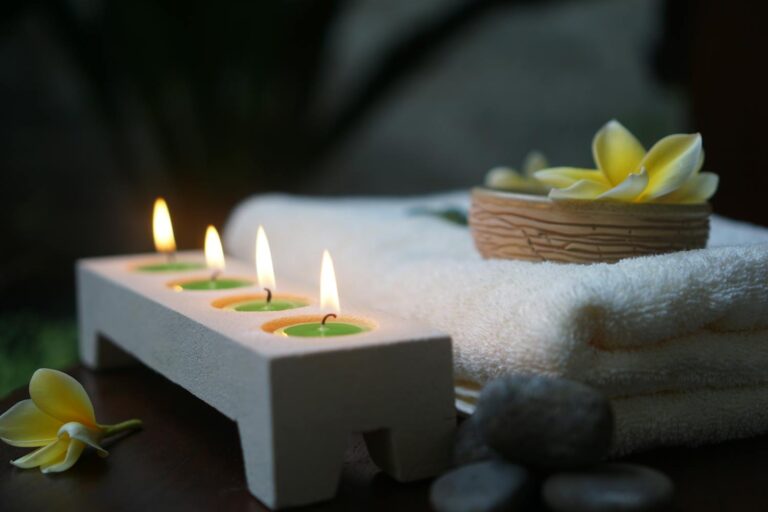
Imagine stepping downstairs into your own private sanctuary—a luxurious spa retreat where you can unwind after a long day without ever leaving home. Your basement, currently sitting underutilized or filled with forgotten belongings, has the potential to become this tranquil escape. With strategic planning and the right improvements, you can transform that dark, damp space into a warm, inviting spa that rivals any luxury resort.
Converting a basement into a private spa is more achievable than you might think. This guide will walk you through every essential step, from initial preparation to adding those final luxurious touches that will make your home spa truly special.
Start With a Clean Slate: Declutter Your Space
Before any renovation work begins, you need to clear out your basement completely. This crucial first step allows you to accurately assess the space and identify any existing issues like water damage, cracks, or structural concerns.
Take an honest inventory of everything stored in your basement. Most items fall into one of three categories: things you use regularly (relocate these to more accessible areas), items worth keeping but rarely used (consider renting a storage unit), and everything else that’s simply taking up space.
If you’re facing years of accumulated belongings, don’t hesitate to hire a junk removal service. Professional removal teams can clear out your basement in hours rather than the days or weeks it might take on your own. Be decisive—if you haven’t used something in over a year, you probably don’t need it.
Protect Your Investment: Waterproofing and Ventilation
Moisture is the number one enemy of basement spaces. Because they sit below ground level, basements are naturally susceptible to water intrusion, humidity buildup, and the mold growth that follows. For a spa environment where you’ll be introducing even more moisture through hot tubs, showers, and steam, proper waterproofing isn’t optional—it’s essential.
Waterproofing Solutions
Two proven methods dominate professional basement waterproofing:
Tanking involves applying thick, waterproof coatings directly to basement walls, creating an impermeable barrier that blocks water from entering your space. This method works well for basements with minor moisture issues.
Cavity drain systems take a different approach by installing specialized membranes and drainage channels within your walls. Rather than blocking water, these systems manage it by directing moisture away from your living space. This is often the better choice for basements with significant water pressure or ongoing seepage problems.
Climate Control and Air Quality
Proper ventilation is just as critical as waterproofing. Your spa will generate considerable humidity from hot water features, which can quickly create an uncomfortable, unhealthy environment without adequate air circulation.
Install high-capacity extractor fans near your shower and hot tub areas to remove moisture-laden air immediately. A quality dehumidifier should run continuously to maintain optimal humidity levels between 30-50%. Finally, a properly sized HVAC system will regulate temperature year-round, keeping your spa comfortably warm in winter and preventing it from becoming stifling in summer.
Create the Perfect Canvas: Floors, Walls, and Ceiling
With your basement protected from moisture and properly ventilated, you can focus on creating surfaces that look beautiful while standing up to a spa environment’s unique demands.
Spa-Ready Flooring
Your flooring must handle water exposure, provide safe footing when wet, and contribute to your spa’s overall aesthetic. Luxury vinyl plank (LVP) and porcelain tiles are both excellent choices—they’re completely waterproof, available in stunning designs that mimic natural stone or wood, and naturally slip-resistant when you choose textured finishes.
Consider adding radiant floor heating beneath your flooring during installation. Stepping onto warm floors after emerging from a hot tub or sauna elevates the luxury factor significantly, and modern systems are surprisingly energy-efficient.
Wall and Ceiling Treatments
Moisture-resistant drywall (often called greenboard or purpleboard) provides a smooth, paintable surface that resists mold better than standard drywall. For areas with direct water exposure, cement board offers even greater durability and serves as an excellent substrate for tile.
Wood paneling creates warmth and a natural, organic spa atmosphere. Choose naturally rot-resistant species like cedar, which also releases a pleasant, subtle aroma when exposed to heat and humidity. Treat wood surfaces with appropriate water-resistant finishes to maximize longevity.
For ceilings, consider drop ceilings with moisture-resistant tiles, which provide easy access to plumbing and electrical systems while hiding mechanicals. Painted drywall ceilings work well too when properly ventilated.
Install Your Dream Spa Features
Now comes the exciting part—choosing and installing the features that will transform your basement into a true spa retreat. Your budget, available space, and personal preferences will guide these decisions, but here are the most popular options:
Hot Tub or Jacuzzi
A hot tub serves as the centerpiece of many home spas. The combination of heat, massage jets, and buoyancy provides unmatched relaxation and therapeutic benefits. Modern hot tubs come in various sizes, from intimate two-person models to large units accommodating six or more guests.
Important considerations include ensuring your basement floor can support the weight (a filled hot tub can weigh several thousand pounds), providing adequate electrical service (most require 240-volt circuits), and planning for water access and drainage.
Plunge Pool
Cold water immersion is gaining popularity for its health benefits, including reduced inflammation, improved circulation, and enhanced mental clarity. A plunge pool provides the perfect cooldown after sauna sessions or intense workouts. These compact pools require less space and infrastructure than traditional pools while delivering significant wellness benefits.
Sauna
Traditional dry saunas or infrared sauna rooms offer profound relaxation and health benefits. Saunas promote detoxification through sweating, ease muscle tension, and provide a quiet space for meditation and reflection. Prefabricated sauna kits make installation relatively straightforward, or you can work with specialists to build a custom sauna perfectly sized for your space.
Steam Room
Steam rooms provide humid heat that opens pores, clears sinuses, and deeply relaxes muscles. While they require more complex waterproofing than saunas (everything must withstand 100% humidity), many spa enthusiasts consider them worth the extra investment. Steam rooms work particularly well in smaller spaces where a hot tub might not fit.
Rain Shower
Every spa needs a quality shower for rinsing off before and after using water features. Rain showerheads deliver a luxurious, gentle cascade of water that enhances the spa experience. Consider adding body jets, a handheld sprayer, and thermostatic controls for the ultimate shower experience.
Set the Mood: Lighting Design
Basements typically lack natural light, making thoughtful artificial lighting essential. The right lighting design creates ambiance, ensures safety, and can dramatically transform how your space feels.
Layered Lighting Approach
Start with dimmable recessed LED lights in the ceiling for general illumination. Choose warm color temperatures (2700K-3000K) rather than harsh cool white bulbs—warm light naturally feels more relaxing and spa-like.
Add accent lighting to highlight architectural features, create visual interest, and provide soft ambient light. Wall sconces, uplights behind planters, and LED strip lighting under benches or around mirrors all contribute to a layered, sophisticated lighting scheme.
Consider waterproof color-changing LED lights in or around your hot tub, which allow you to adjust the mood for different occasions. Many modern systems can be controlled via smartphone apps, letting you create custom lighting scenes.

Candlelight and Aromatherapy
Candles add a flickering, organic quality that electric lights can’t replicate while introducing soothing scents like lavender, eucalyptus, or sandalwood. Place candles on stable surfaces away from fabrics, paper, and other flammable materials. Never leave burning candles unattended, and consider flameless LED candles as a safer alternative that still provides ambiance.
Additional Touches to Complete Your Spa
Don’t overlook these finishing elements that elevate your basement spa from good to exceptional:
Sound system: Install waterproof speakers to play relaxing music, nature sounds, or guided meditations. Bluetooth-enabled systems offer flexibility and easy control.
Storage solutions: Include cabinets or shelving for towels, robes, spa products, and cleaning supplies. Built-in storage maintains your spa’s clean, uncluttered aesthetic.
Comfortable seating: Add a bench, chaise lounge, or comfortable chairs where you can relax between spa treatments or while cooling down.
Plants: Humidity-loving plants like ferns, bamboo, or orchids thrive in spa environments while improving air quality and adding natural beauty.
Art and decor: Choose water-resistant artwork and decorative elements that reinforce your spa’s theme, whether that’s minimalist zen, tropical paradise, or rustic retreat.
Wellness Benefits Beyond Relaxation
Your private basement spa isn’t just about luxury—it’s an investment in your long-term health and wellbeing. Regular use of spa features can support your wellness goals in meaningful ways.
Hot water immersion has been shown to improve cardiovascular health, reduce stress hormones, and promote better sleep quality. The heat therapy from saunas and steam rooms supports detoxification, boosts immune function, and can aid in muscle recovery after exercise. If you’re focused on fitness resolutions, having a home spa provides the perfect environment for post-workout recovery and stress management.
The mental health benefits are equally significant. Having a dedicated space for relaxation and self-care encourages you to prioritize your wellbeing. Many people find that regular spa sessions help with stress reduction, improved mood, and better overall mental clarity.
Enjoy Your Personal Wellness Retreat
Transforming your basement into a private spa represents a significant investment in your home and your wellbeing. You’ll gain a space that promotes relaxation, supports your health, reduces stress, and provides a luxurious escape without the hassle of traveling to commercial spas or resorts.
Take the project step by step, focusing first on the essential infrastructure like waterproofing and ventilation before moving on to the exciting features and finishes. With careful planning and quality execution, your basement spa will provide years of enjoyment and become one of your home’s most valued spaces.
Ready to start your transformation? Begin by decluttering your basement this weekend—once you see the potential in that empty space, your vision for the perfect private spa will start coming to life.

Better Living may earn commissions through affiliate links and may occasionally feature sponsored or partner content. If you make a purchase through our links, we may receive a small commission at no cost to you.