Most folks grab a short-term rental in Florence for five days, sip some Chianti on a terrace, and decide on the spot they need to buy an old stone ruin. But honestly, staying somewhere for a long weekend tells you next to nothing about day-to-day reality. You have to sit out the seasons. You need to see the tourists clear out, watch the fog roll into the valleys by November, and figure out just how damp an ancient basement gets when the heating goes off. This gradual immersion among the narrow streets and isolated farmsteads is the best preparation before you start browsing homes for sale in Tuscany: it answers questions no long weekend ever will.
Three Tuscan landscapes, three different daily lives:
- Val d’Orcia: wide, quiet clay ridges, dark night skies and long stretches of solitude
- Chianti villages: a working farm calendar, good roads and Florence within about an hour
- Lucca countryside: walled-city life, weekly markets, and the coast and Pisa Airport close by
The Expansive Quiet of the Val d’Orcia
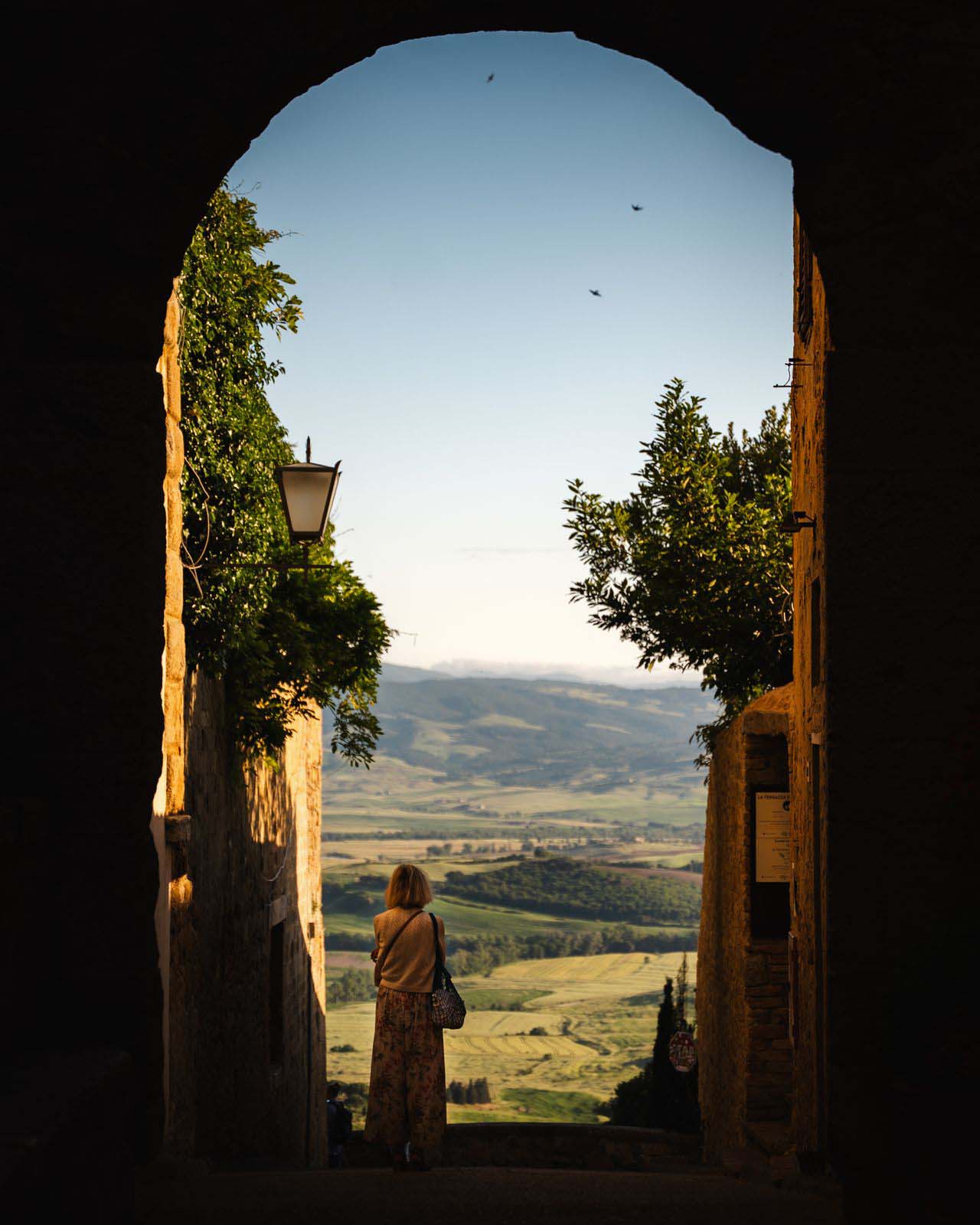 An arched passage, looking out onto a beautiful countryside of Pienza in the Val d’Orcia region of Tuscany, Italy.
Head south past Siena and the landscape opens right up into raw, rolling clay ridges. Towns like Pienza, San Quirico, and Castiglione d’Orcia look straight out of a Renaissance painting in June, but come late October, the tour buses vanish. The travertine squares belong entirely to the elderly men arguing over morning espresso.
Out here, total quiet isn’t a bonus: it’s just the baseline. Come December, ground frost coats the crete senesi, and every breath carries that sharp tang of olive wood smoldering in somebody’s hearth down the road. The tradeoff, though, is the strade bianche. Those long, unpaved tracks look great on Instagram, but in August you eat dust every time a Fiat passes, and by mid-November you’re dragging half the mud in the province into your entryway. It works if you’re the type who actually wants dark night skies and weeks without seeing a soul. If you get twitchy after two days without a crowd, though, it’ll drive you crazy.
Out here, total quiet isn’t a bonus. It’s just the baseline.
The Industrious Drive of the Chianti Villages
As you drive north towards Florence, the vibe shifts within minutes. Historic Chianti, including places like Radda, Castellina, and Gaiole, runs on farming dirt, tractors, and cellar sweat. These medieval towns sit tucked tightly into thick oak woodlands and terraced vineyards.
Stay here across the autumn months, and your weekly routine naturally tracks the farm calendar. September is a mad rush to harvest grapes before sudden rain hits; November is all about hauling crates to the local olive oil press. Unlike the sleepy hamlets down south, having Florence less than an hour away keeps services sharp. The roads are better maintained and local clinics stay open year-round. It suits people who want countryside views without giving up great bakeries, busy taverns, and neighbors who actually stick around through January.
The Understated Charm of the Lucca Countryside
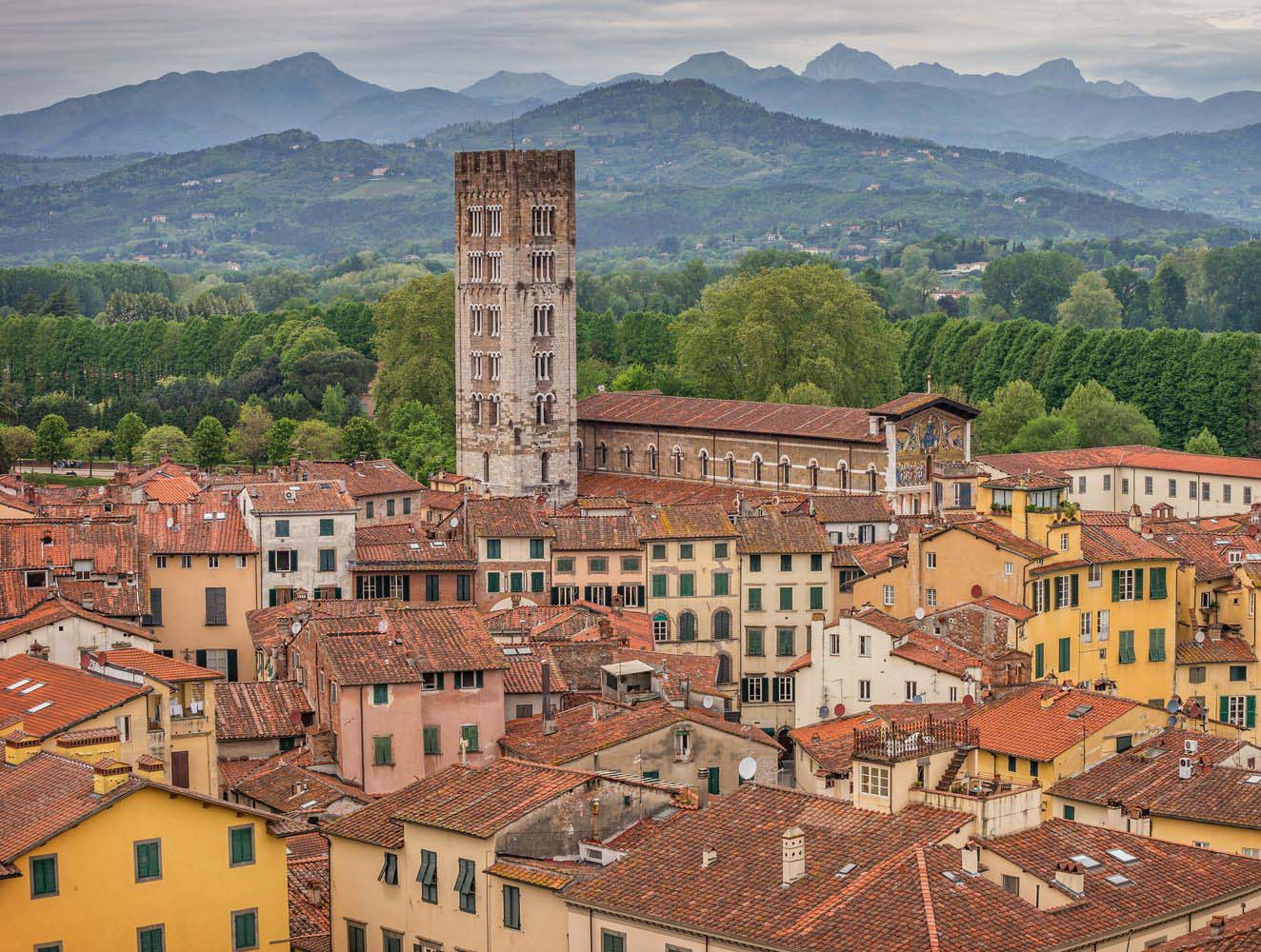 The medieval town of Lucca in Italy, with vibrant rooftops, historic architecture, and countryside views
The valley and foothills wrapping around Lucca bring another distinct flavor to the table. Huge Renaissance brick walls keep traffic outside the historic center, while the low hills out toward Camigliano and Montecarlo hide sprawling historic estates and humble stone cottages.
The real advantage here is geography. You sit squeezed right between the Tyrrhenian coast and the rugged Apuan Alps. Living here feels refined but remarkably grounded, without the glossy showmanship you find in more crowded tourist hubs. Between the weekly farmers’ markets, shady tree-lined loop paths, and an active local community, running daily errands never feels like a chore. Plus, hopping on the highway gets you to the beach or Pisa Airport in roughly half an hour.
What to Notice While You Rent
A long rental is a free research project, but only if you treat it like one. Keep a simple notebook from the first week, and write down what you actually experience rather than what you expected.
A season-long checklist for future homeowners:
- Heating and damp: how the house feels in the first cold weeks, and how it smells after rain
- Winter light: where the sun lands at noon in December, not just in June
- Access: how the road behaves after a storm, and how long the drive really takes
- Connectivity: phone signal and internet speed on a wet, windy day
- Services: the nearest pharmacy, clinic, grocery store and airport
- Noise and neighbors: harvest machinery, hunting season, church bells and who stays through January
- Daily rhythm: whether you still love it in the quiet weeks, not only the golden ones
If you are planning a longer stay abroad, it also helps to read about how others have handled the practical side. This account of a month-long trip to Bali shows how a longer stay changes what you notice about a place, and an international travel checklist can help you cover documents, staying connected and health basics before you go.
From Seasonal Stay to Permanent Roots
 The medieval and Renaissance hilltop town of Montepulciano, in the Siena province of Tuscany.
Switching gears from a long-term renter to an actual property owner takes serious homework. A couple of months in a rental teaches you to measure trips in minutes, not miles. An isolated farmhouse might look just four miles outside of town on a map, but dodging potholes on an unpaved switchback means you are looking at a twenty-minute crawl each way.

You also learn to track where the winter sun actually hits. A south-facing terrace can make a real difference to your heating bills, while a house tucked on the north side of a ridge stays cold until May. Check your phone signal during a downpour, see if the driveway washes out, and chat up the local plumber over coffee at the bar. Those small, unglamorous details are what truly make a Tuscan home work once the honeymoon phase wears off.
Questions to Ask Before You Commit
Once a particular area feels right, the practical questions begin. Buying property in another country comes with its own rules, paperwork and costs, and the details can differ for non-residents, so it is wise to work with qualified local professionals who can explain the process in your situation, such as an experienced real estate agent, an independent lawyer, a surveyor and a notary.
Questions to ask about any property:
- What condition is the roof, structure, damp-proofing and heating system in?
- Where does the water come from, and how is wastewater handled?
- What are the annual taxes, utility costs and upkeep?
- Are there any renovation limits or permit requirements, especially for historic buildings?
- Is the access road public or private, and who maintains it?
- What are the purchase costs beyond the price, and what do they cover?
Asking these questions after a full season in the area means you are no longer guessing. You know how the place feels in every kind of weather, and you can judge a house against what you have actually lived.
The Slow Way Home
Tuscany rewards patience. The same hill town that charms you in June can feel very different in a foggy week in November, and neither version is wrong. The point of slow travel before buying is to meet both. Give yourself a season, take notes, talk to the neighbors, and let the quiet days teach you what the postcards never will.

Better Living may earn commissions through affiliate links and may occasionally feature sponsored or partner content. If you make a purchase through our links, we may receive a small commission at no cost to you.