
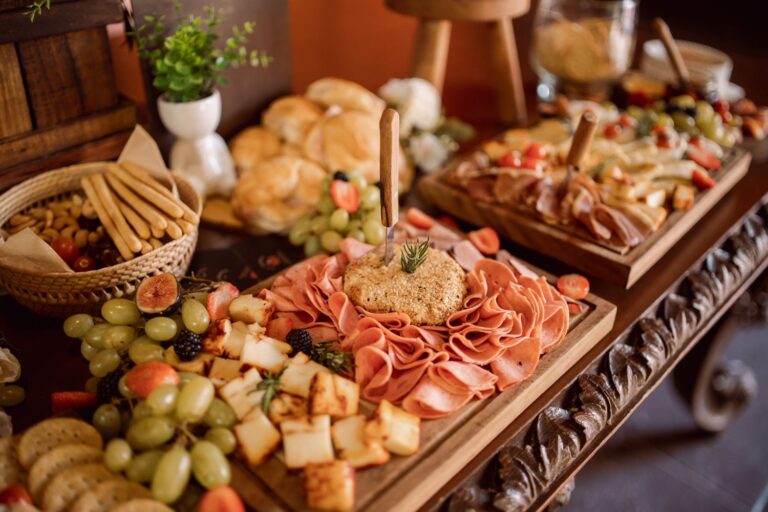
Planning food for an event sounds fun until you realize you’re making choices for dozens, sometimes hundreds, of people with different tastes, schedules, and expectations. If your event is in Los Angeles, that pressure gets even more real because guests tend to notice presentation, quality, and whether the menu feels current. A smart catering plan keeps things organized, avoids waste, and helps your event feel polished without turning you into a stressed-out project manager.
Start With the Type of Event, Not the Food
A lot of people begin by choosing dishes first. That usually leads to a menu that looks good on paper but doesn’t fit the event. A business lunch needs speed and easy cleanup. A wedding reception needs pacing, visual appeal, and enough variety to keep guests happy through several hours.
Think about the structure of your event before anything else:
- How long will guests be there?
- Will they be seated, standing, or moving around?
- Is the food the main attraction or part of the background?
- Will alcohol be served?
- Is the mood formal, casual, or somewhere in between?
A rooftop cocktail party and a family-style birthday dinner need totally different food strategies. When you match the menu to the flow of the event, everything feels smoother and more intentional.
Know Your Guest List Better Than You Think You Need To
Your menu should reflect the people attending, not just your personal favorites. That sounds obvious, yet it’s one of the easiest things to overlook. Guests remember when food feels thoughtful. They also remember when there’s nothing they can eat except a lonely dinner roll.
Start with the basics:
- Age range
- Dietary restrictions
- Cultural or religious food needs
- Appetite expectations based on timing
- Guest count with a realistic attendance estimate
If your event starts at 6 p.m., people will expect a real meal. If it begins at 2 p.m., lighter items may work better. For teen-heavy events, familiar foods with a polished twist often land well. For corporate groups, clean presentation and easy-to-eat options matter more than experimental menus that require a full explanation.
This is where a reputable Los Angeles caterer can help you shape the menu around guest behavior, not guesswork. That kind of insight saves you from ordering like every guest is both starving and training for a food competition.
Guests remember when food feels thoughtful, and they remember when it doesn’t.
Build a Menu With Balance, Not Just Variety
More choices don’t always mean a better experience. A cluttered menu can feel unfocused and make service slower. What you want is balance across flavors, textures, temperatures, and portion sizes.
A strong menu usually includes:
- One or two standout items
- Familiar crowd-pleasers
- A vegetarian or plant-forward option
- Something fresh and light
- Something warm or filling
- A dessert that fits the tone of the event
Balance also means avoiding repetition. If your appetizers are rich and creamy, your mains shouldn’t all be heavy too. If everything is beige and fried, guests may eat it, but they won’t exactly be telling stories about it later.
Menus with contrast feel more satisfying. Crisp salads, slow-braised proteins, roasted vegetables, bright sauces, and one indulgent bite can do more than ten random dishes fighting for attention.
Think Hard About Service Style Because It Changes Everything
The same food can feel elegant, rushed, awkward, or effortless depending on how it’s served. Service style affects staffing, timing, guest comfort, and budget.
Here are the main options to consider:
- Buffet: flexible and often budget-friendly, but can create lines
- Plated service: polished and structured, ideal for formal events
- Family-style: warm and social, though it needs table space
- Passed appetizers: great for networking and cocktail events
- Stations: interactive and visually engaging, but require room and planning
A standing event with delicate plated dishes can turn into a balancing act nobody asked for. On the flip side, a formal gala with a basic buffet may feel underwhelming. The practical side matters just as much as aesthetics.
Ask yourself how guests will physically eat the food. If they need one hand for a drink and one for a fork, don’t serve something that needs three hands and a support team.
Budget for the Full Catering Picture, Not Just the Menu Price
Food cost is only part of the equation. Catering budgets can stretch quickly once rentals, staffing, delivery, setup, beverages, gratuity, and service fees enter the chat. A lower per-person menu may end up costing more if it requires extra equipment or labor. Planning a wedding adds its own layers, and this guide to planning a wedding that is beautiful, affordable, and stress-free shows how guest count and food format can shift a total budget quickly.
When reviewing catering options, look at:
- Per-person pricing
- Minimum guest counts
- Staffing levels
- Rentals like plates, linens, and glassware
- Travel or delivery charges
- Setup and breakdown fees
- Tasting costs
- Cake cutting or corkage fees
This is where detailed proposals matter. You want transparency, not mystery math. It helps to prioritize where you want to spend more. Maybe you care most about elevated appetizers and a strong dessert table. Maybe reliable full-service staffing matters more than offering six entrée options.
A smart budget isn’t about cutting corners. It’s about putting money where guests will actually notice it.
Use Seasonality and Location to Your Advantage
Seasonal menus tend to taste better, look better, and often cost less. They also feel more connected to the setting. In a place like Los Angeles, guests often expect menus with fresh produce, lighter elements, and a clean presentation style that works with the climate. If you want more inspiration for warm-weather gatherings, these summer entertaining tips cover simple menus and outdoor hosting ideas.
For warm-weather events, consider:
- Citrus-based salads
- Grilled vegetables
- Chilled sides
- Fresh herb sauces
- Fruit-forward desserts
- Lighter proteins like chicken or fish

For evening events or cooler months, richer dishes can work well, but they still need balance. A heavy menu in a hot outdoor setting can feel like a bad decision by the second bite.
Location logistics matter too. Outdoor venues may need food that holds temperature well, and heat makes timing a food safety issue as well as a quality one. University of California food safety guidance advises refrigerating or discarding perishable food left out for more than two hours, or one hour when temperatures are above 90°F, and keeping cold dishes at 40°F or colder. Urban venues may have strict loading times. Beautiful spaces sometimes come with tiny prep areas, which is the event version of trying to cook Thanksgiving in a hallway.
Don’t Forget Presentation, Timing, and the Guest Experience
Guests eat with their eyes first, but they judge with the full experience. Food that arrives late, runs out early, or looks messy can drag down an otherwise great event. Presentation should support the tone of the gathering, whether that means sleek passed canapés or rustic share platters.
Pay attention to details like:
- When food will be served
- How long each course takes
- Refill plans for stations or buffets
- Plateware and serving pieces
- Signage for allergens or dietary labels
- Flow between cocktails, dinner, and dessert
Allergen signage is worth getting right. The FDA recognizes nine major food allergens: milk, eggs, fish, crustacean shellfish, tree nuts, peanuts, wheat, soybeans, and sesame. Labeling dishes that contain them, and asking your caterer how they handle cross-contact, gives guests with allergies the confidence to actually eat.
The best catering plans feel almost invisible because everything works. Guests know where to go, what to expect, and how to enjoy themselves without confusion.
Good timing is especially important. If dinner starts too late, people get restless. If appetizers are too small and drinks are flowing, that can get chaotic fast. Nobody makes great decisions while waiting 45 minutes for the sliders.
Choose a Caterer Like a Partner, Not Just a Vendor
Once you know your event goals, menu style, and budget range, the right caterer becomes much easier to spot. You’re not only hiring someone to make food. You’re trusting a team to manage logistics, timing, service, and a big piece of your guests’ overall experience.
Look for a caterer who can:
- Explain recommendations clearly
- Adjust menus for dietary needs
- Show strong presentation standards
- Communicate pricing honestly
- Handle staffing and rentals efficiently
- Understand the tone of your event
Ask practical questions during the selection process. How do they manage service timing? What happens if guest counts shift? How do they approach outdoor events or tricky venues? Accurate counts make those answers easier, which is one reason a tidy RSVP process, like the one described in this modern host guide to digital invitations, can save real money by tracking attendance and dietary needs in one place.
The right choice will make planning feel easier, not more confusing. Great catering doesn’t just feed people. It supports the rhythm of the event, reflects your priorities, and helps guests leave feeling like the whole thing was well put together from the first bite to the last.

Better Living may earn commissions through affiliate links and may occasionally feature sponsored or partner content. If you make a purchase through our links, we may receive a small commission at no cost to you.