
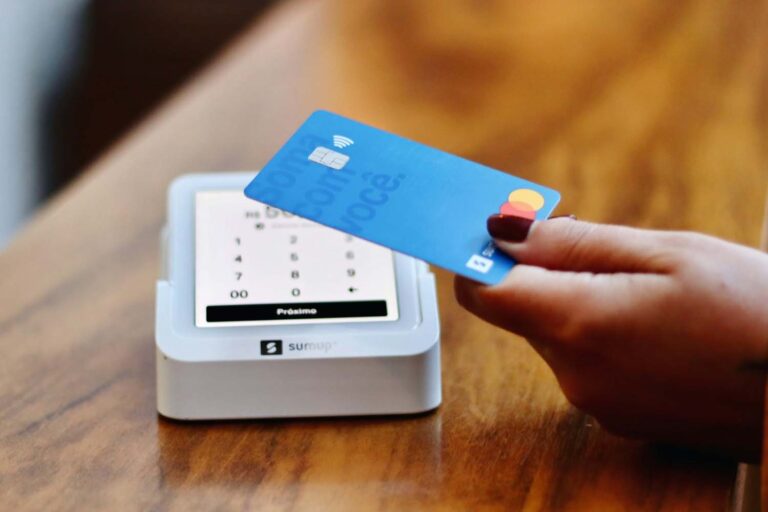
Swiping a card to buy groceries, cover an unexpected bill, or purchase a new piece of furniture is undeniably convenient. It takes a fraction of a second, gets you out the door immediately, and lets you deal with the actual payment weeks down the line. However, that seamless checkout process hides a costly reality. When you carry a balance past your grace period, the initial price tag on the receipt is no longer what you actually pay.
Most people look at the numbers on a price tag and assume that is the total investment. If a new television costs $800, you expect to spend $800. Yet, when that purchase sits on a card carrying a standard annual percentage rate over several months, interest charges stack up quietly in the background. By the time the balance hits zero, you may have paid an extra 15% to 30% for the same item.
Stopping this cycle doesn’t require abandoning plastic altogether or living on an extreme budget. It simply requires understanding how interest accrues on daily balances and adopting a few practical habits to keep your money where it belongs.
Understanding the Daily Mechanics of Card Interest
The main reason card balances grow so surprisingly fast comes down to how financial institutions calculate charges. Many people assume interest is calculated once a month on whatever total balance appears on their statement. In reality, card issuers use a system called a daily periodic rate.
To find your daily periodic rate, divide your annual percentage rate by 365 days. That tiny percentage is applied to your average daily balance every single night. At the end of the billing cycle, all those daily charges are added together and added to your balance.
This creates a compounding effect. On day two, you pay interest on the original purchase plus the interest generated on day one. On day three, the cycle repeats on an even larger balance. While a single day of compounding interest looks like pennies, letting it run over thirty days, or over several months, turns small daily fees into significant annual expenses.
The Minimum Payment Trap
Minimum monthly payments are structured to feel manageable. Seeing a $25 minimum requirement on a $1,500 balance makes the debt feel controlled, but that low minimum is actually designed to keep you in debt as long as possible.
Minimum payments generally cover the accrued monthly interest plus a very small fraction of the core principal balance, usually around 1% to 2%. Because so little goes toward the principal, the balance shrinks at a painfully slow pace.
- Extended timelines: Paying only the bare minimum on a modest balance can easily stretch a single purchase into an eight- to ten-year repayment timeline.
- Inflated final costs: Over a long repayment period, the total interest paid can easily match or exceed the original purchase price.
- Reduced financial flexibility: Carrying an ongoing balance locks up your available credit limit, reducing your safety net for actual emergencies.
When you only pay the minimum, you are essentially agreeing to pay top dollar for items that are actively losing value in your home.
Running the Numbers Before You Swipe
The best way to avoid overpaying is to make interest costs visible before you buy. When you buy an item with cash, the cost is clear and immediate. When you buy with a card and roll the balance, the true cost hides in future statements.
Before taking on a balance for a non-essential purchase, take two minutes to run the math on your repayment plan. Using an online tool to calculate credit card interest lets you see the exact dollar amount added to your total bill based on your current rate and expected payoff schedule.

Seeing that an $800 appliance will actually cost $1,050 over eighteen months changes your perspective at the point of sale. If the added interest makes the item feel overpriced, you know it is smarter to save up the cash first or lower your target price.
Practical Habits to Cut Interest Expenses
If you already have a balance or need to use a card for an upcoming expense, you can use several straightforward strategies to minimize the extra interest you pay.
- Switch to bi-weekly payments. Instead of sending a single payment on your monthly due date, divide your planned monthly payment in half and send it every two weeks. Because interest is calculated on your average daily balance, dropping your balance mid-month reduces the base number the daily rate multiplies against. Over a year, this simple scheduling shift lowers your overall finance charges without requiring extra cash out of pocket.
- Direct extra funds to the principal. If you get some unexpected money, like a work bonus, a tax refund, or proceeds from selling things you no longer use, put that straight into your underlying balance. The sooner you reduce the underlying balance, the sooner you stop the cycle of compounding, which reduces your interest payments going forward.
- Pay off high-rate balances first. If you’re carrying balances on more than one credit card, pay off the balance on the card that charges the highest interest rate first, while meeting the minimum payments on the others. As soon as the highest-rate balance hits zero, redirect that same payment amount to the next highest-rate card.
Keeping Your Spending Under Control
A card is a very important instrument in today’s world because cards provide security from fraud, help build a credit history, and make it easy to purchase what you need. Using a card correctly means treating it as an instrument of payment, not a source of funding, a distinction that’s also worth keeping in mind while working on building or repairing credit.
By watching how your daily interest compounds, keeping yourself out of the minimum payment cycle, and accounting for the true cost of each purchase before making it, you stay fully in charge of how much money you spend, rather than letting compounding interest quietly decide it for you. That kind of awareness works best as a habit rather than a one-time fix, whether that means building a more proactive financial routine throughout the year or giving your accounts a full year-end financial review before the next one starts.

Better Living may earn commissions through affiliate links and may occasionally feature sponsored or partner content. If you make a purchase through our links, we may receive a small commission at no cost to you.