
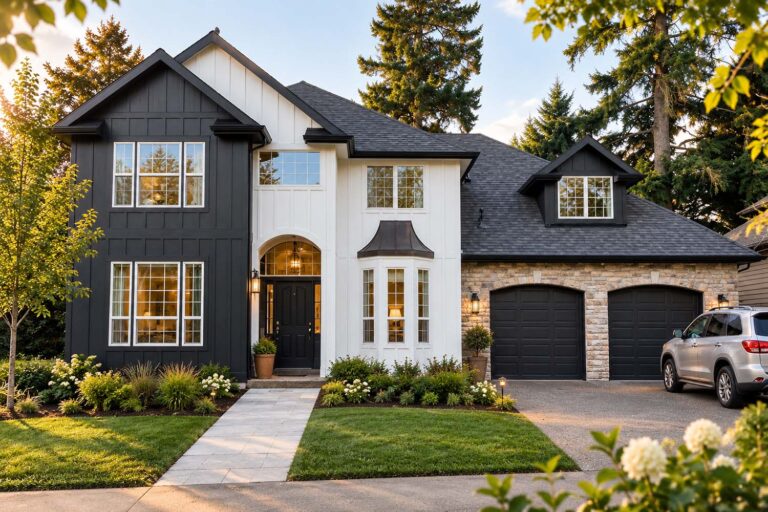
Picking new siding sounds simple until you realize it affects curb appeal, insulation, maintenance, resale value, and even how often you stare at your house wondering if you made the wrong call. If you live in a place like Salem, Oregon, where rain, moisture, and seasonal shifts keep building materials on their toes, your decision needs more than a color swatch and a quick quote. You need siding that looks good and holds up.
What siding actually does for your home
Siding is not just decorative wrapping for your exterior. It works as a protective shell that helps shield your home from moisture, wind, pests, and temperature changes. If it fails, your walls can end up dealing with rot, mold, and repair bills that hit harder than expected.
Good siding also affects energy efficiency. When paired with proper insulation and weather barriers, it can help your home stay more comfortable year-round. That matters when your heating or cooling system is already doing enough heavy lifting.
Then there’s resale value. Buyers notice exterior condition fast. Faded panels, warped boards, or cracked sections suggest hidden problems. Clean, durable siding gives your home a more cared-for look, and that first impression tends to stick.
Why climate should shape your siding choice
Not every siding material performs the same in every region. In wet climates, moisture resistance should sit near the top of your priority list. Constant rain and damp air can wear down some materials faster, especially if installation is sloppy or maintenance gets ignored.
In Salem, conditions can be tough on exteriors. You get moisture, temperature swings, and the kind of seasonal weather that quietly tests every seam and edge. That makes material choice less about trends and more about performance.
Fiber cement, engineered wood, and quality vinyl often come up in these conversations because they can handle moisture better than older, more vulnerable products when installed correctly. Local expertise also matters. Working with a Salem siding company can help you compare material options.
The most common siding materials and how they compare
Vinyl siding remains popular because it’s affordable, widely available, and fairly low maintenance. It doesn’t need painting, and it comes in many colors and styles. Still, cheaper vinyl can crack, fade, or warp over time, especially when quality takes a back seat to budget.
Fiber cement has a strong reputation for durability. It resists pests, fire, and moisture better than many alternatives. It also mimics wood nicely without demanding the same level of upkeep. The tradeoff is cost, plus heavier installation requirements.
Engineered wood gives you a warmer, more natural look while improving on traditional wood’s weak spots. Traditional wood looks beautiful but usually asks for more maintenance than most homeowners want. If your weekend plans don’t include scraping and repainting, that detail matters. The same climate logic applies across a home’s whole exterior, not just siding. If you’re also weighing window replacement in a Pacific Northwest climate, the moisture and seal considerations track closely with what you’re already thinking about for siding.
How to balance appearance, maintenance, and budget
Most people start with appearance. That makes sense. You want siding that fits your home’s architecture and does not make it look like three design committees argued and all lost. Color, texture, and profile all shape the final result.
Then reality enters the chat: maintenance and cost. A material that looks amazing on day one may demand regular painting, sealing, or repairs. A cheaper option may save money upfront but create more problems over time if it performs poorly in your climate.
Try looking at total ownership cost instead of only the initial estimate. Ask how long the material typically lasts, what maintenance it needs, and whether repairs are easy. A smart siding choice usually lands in the middle of that triangle: looks good, holds up well, and does not quietly drain your bank account. If the budget side of this is what’s holding you back, it’s worth reading through how to afford the home upgrades you’ve been putting off before ruling anything out.
Signs it may be time to replace your siding
Obvious signs:
- Cracks, holes, or loose panels
- Rotting boards or bubbling paint
- Water stains appearing inside the house
Easier-to-miss signs:
- Higher energy bills with no other explanation
- Mildew growth or repeated pest issues near exterior walls
- Sections that look warped or uneven, suggesting moisture underneath
Age matters too. Even durable materials wear down eventually. If your siding is several decades old and showing multiple issues, patchwork repairs may only delay a larger replacement. At that stage, spending more money on temporary fixes can become a very expensive way to procrastinate.

What to ask before hiring a siding contractor
A solid contractor should be able to explain materials clearly, outline the installation process, and talk honestly about timelines, warranties, and prep work. If every answer sounds vague, rushed, or suspiciously perfect, take that as useful information.
Questions worth asking directly:
- Do you handle water barriers, flashing details, and trim work?
- How is removal of the old siding handled?
- Can you provide proof of licensing and insurance?
- Can I see recent local project examples?
Reviews help, but seeing actual work matters more. A good contractor will not treat your questions like a nuisance. They’ll know you’re making a major investment, and they’ll act like it.
How to make a decision you’ll still like years from now
Start with your practical needs. Think about your climate, maintenance tolerance, budget, and how long you plan to stay in the home. That narrows your options faster than browsing endless inspiration photos ever will.
Next, compare a few materials side by side. Look beyond broad labels and ask about product grade, warranty coverage, and expected lifespan. Two siding products in the same category can perform very differently. Details matter more than marketing buzzwords. It’s the same discipline behind good home maintenance habits generally: check the specifics, not just the surface.
Finally, trust choices that balance function and style. The best siding does not just look impressive on install day. It keeps working through storms, damp seasons, hot weeks, and years of wear without becoming a constant project. When you choose with long-term performance in mind, your exterior has a better chance of staying attractive, efficient, and drama-free.

Better Living may earn commissions through affiliate links and may occasionally feature sponsored or partner content. If you make a purchase through our links, we may receive a small commission at no cost to you.