Heather is a founding editor and contributing writer for Better Living. She loves creating recipes, sharing healthy living hacks, travelling, and researching the latest in wellness trends. On the weekends you’ll find her reading, doing yoga, and planning her next adventure.
The short answer: Unopened rum has an indefinite shelf life. Bacardi's own FAQ keeps it simple: stored correctly, rum will last for years, full stop, no specific cutoff. Once opened, you'll commonly see a
The short answer: Unopened gin has an indefinite shelf life. Beefeater states outright that gin doesn't expire and can last for years, even up to a decade, if it's never opened. Once opened, you'll commonly see a
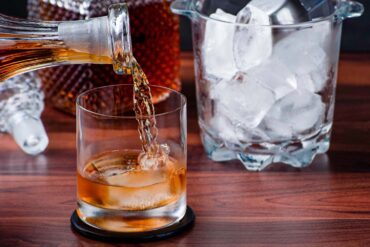
The short answer: Unopened whiskey has an indefinite shelf life. Jameson states plainly that there's no official "use by" timeline on a bottle, sealed or not. Once opened, quality starts to shift gradually through
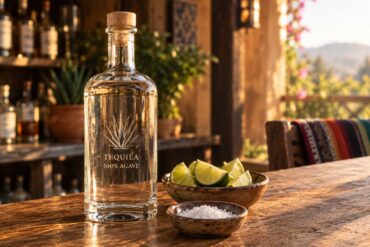
The short answer: Unopened tequila has an indefinite shelf life, full stop. Once opened, Patrón states it stays at peak quality for about a year before it starts to decline in smell, flavor, and appearance. It never becomes
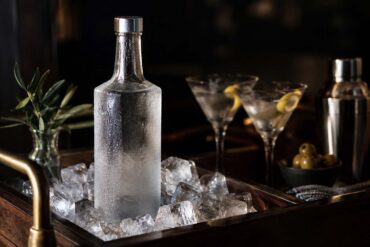
The short answer: Unopened vodka doesn't go bad, full stop. It can sit sealed for decades and taste exactly the same when you finally open it. Opened, unflavored vodka is nearly as durable, commonly holding its quality for
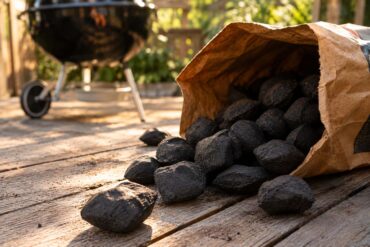
The short answer: Charcoal itself doesn't expire. It's essentially pure carbon, and carbon doesn't decompose, ferment, or break down chemically over time, which is why archaeologists routinely find usable charcoal from
The Short Answer: Flush the stain from the back with cold water immediately, since speed matters more here than with almost any other stain on this site. Follow with dish soap or a vinegar or
The short answer: Acetone-based remover barely goes bad at all, since acetone itself is chemically stable and doesn't break down over time. What it loses is concentration, as acetone slowly evaporates every time the bottle is
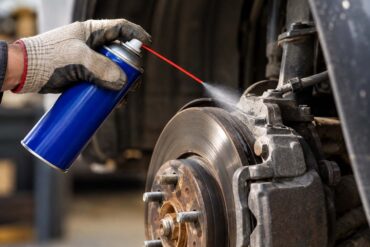
The short answer: Not really, but the can does have a practical shelf life. WD-40 states an official shelf life of 5 years from the date of production, mostly for liability reasons. The formula itself is a
The short answer: Yes, but not the way food does. Rubbing alcohol (isopropyl alcohol) doesn't grow mold or ferment. It loses effectiveness because the alcohol itself slowly evaporates, especially once the bottle has been
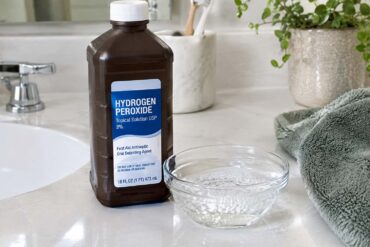
The short answer: Yes, and it happens whether you use it or not. Hydrogen peroxide is chemically unstable by nature. It constantly breaks down into water and oxygen gas, even sealed in the bottle on
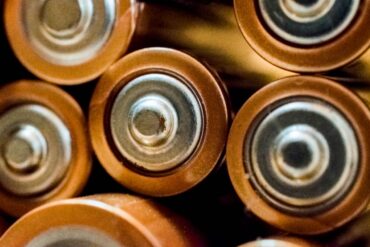
The short answer: Yes, all batteries lose capacity over time, even sitting unused in the package, but how fast depends entirely on the chemistry. Alkaline batteries typically last 5 to 10 years in storage. Lithium primary